Essential Senior Pet Care Prolong Your Elderly Pets Life Well-Being
As pets age, they become more than just companions; they transform into cherished members of our families. Understanding the unique needs of elderly pets is crucial for anyone looking to enhance their quality of life and longevity. With the right care, you can make their golden years as fulfilling as possible.
Senior pets face various challenges, from decreased mobility to changes in diet, and require special attention and adaptations in their daily routine. By being proactive, you can ensure that your furry friend enjoys their later years in comfort and happiness. Here are some essential aspects to consider:
- Nutrition: Tailoring their diet to support aging bodies.
- Exercise: Keeping them active yet gentle to avoid injury.
- Regular Vet Visits: Monitoring health conditions with professionals.
- Mental Stimulation: Engaging their minds to combat cognitive decline.
- Comfort Measures: Adjusting their living environment for ease.
In the following sections, we will delve deeper into these considerations and rank the top five care practices that can significantly contribute to prolonging the life and well-being of your beloved senior pets.
Top 5 Special Care for Senior Pets: How to Prolong Their Life and Well-Being
Caring for our pets as they transition into their senior years is a rewarding, albeit sometimes challenging, experience. As pets age, their needs inevitably change, and responsible pet owners must adjust their care routines. By focusing on five crucial areas of care, you can significantly enhance your senior pet’s quality of life and potentially extend their lifespan. Let’s explore these facets to ensure our beloved companions enjoy their golden years to the fullest.
5. Regular Veterinary Check-Ups
Regular veterinary check-ups become increasingly important as pets age. For older pets, these visits provide a critical opportunity for early detection and management of age-associated ailments such as kidney disease, dental issues, and cognitive dysfunction. When detected early, many of these conditions can be managed or treated, significantly enhancing a pet’s quality of life.
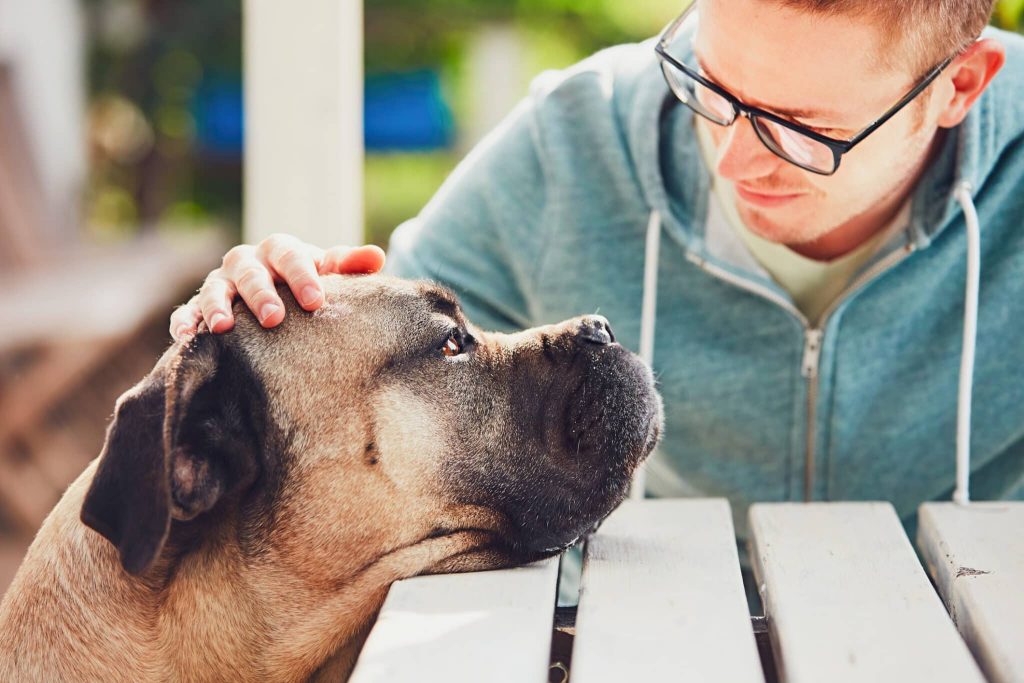
During a check-up, your veterinarian may perform a comprehensive physical exam and possibly recommend blood tests, which can reveal underlying conditions. Regular monitoring ensures that any changes in your pet’s health are promptly addressed.
- Vaccination updates: Older pets may require modified vaccination schedules to protect them without overburdening their immune system.
- Diet and nutrition: Veterinarians can recommend diet adjustments to meet the changing nutritional needs of senior pets, such as foods designed for weight management or higher protein diets.
- Behavioral changes: Changes in behavior, like increased aggression or lethargy, could be signs of pain or cognitive issues. A vet can help determine the cause and suggest solutions.
Overall, these check-ups are pivotal in managing chronic illnesses and contribute to prolonging your pet’s life.
4. Special Diet and Nutrition
As animals grow older, a special diet tailored for senior animals becomes essential. Metabolic rates decrease with age, and pets become less active, so calorie intake must be adjusted to prevent obesity. Nutrient-dense diets ensure that their bodies receive the support needed without excess calorie consumption.
Seniors require balanced offerings to support joint health, cognitive function, and overall vitality. Fatty acids, antioxidants, and vitamins play vital roles in this.
- Higher-quality proteins: Essential for maintaining muscle mass and supporting organ function.
- Omega fatty acids: Critical to maintaining joint health and possibly alleviating symptoms of arthritis. They also support heart and kidney health.
- Fiber: Helps with digestion, ensuring that your pet’s gastrointestinal system functions smoothly.
Consulting your vet about these dietary needs will help tailor a nutritional plan that ensures optimal health and longevity.
3. Exercise and Mobility Management
The need for regular exercise doesn’t diminish as pets age. It simply changes in form. Maintaining fitness and muscle tone is essential for health and mobility, but exercise must be tailored to the individual capabilities of each pet.
Ensuring that your senior pet gets enough physical activity enhances their mental health, aids digestion, and keeps joints supple.
- Short walks: These can serve as a manageable way for pets to enjoy the outdoors while keeping fit.
- Gentle play: Using toys that cater to their physical limitations ensures safety while promoting activity.
- Swimming: Swimming provides a low-impact exercise that reduces strain on joints while promoting muscle strength.
Collaborate with your veterinarian to create an exercise plan that respects your pet’s limitations and promotes health.
2. Environmental Enhancements
Ensuring a senior-friendly environment is critical for older pets. As they age, they might struggle with tasks they previously performed with ease. Making small changes to their environment can dramatically improve their independence and comfort.
- Comfortable sleeping areas: Consider orthopedic beds that provide joint support to reduce pain.
- Non-slip surfaces: Wooden and tiled floors can become hazardous; adding rugs helps prevent slips and falls.
- Accessibility: Ramps and steps can assist pets in accessing furniture or their favorite sleeping spots.
These adaptations help keep your senior pet safe and contribute to maintaining their confidence and independence.
1. Compassionate Attention and Mental Stimulation
Most importantly, providing compassionate attention and mental stimulation remains vital for senior pets. Just like humans, pets benefit from social interactions and mental challenges. This element of care addresses potential feelings of anxiety or depression that can arise from sensory decline or environmental changes.
To keep their minds engaged and spirits lifted, consider these options:
- Interactive toys: Puzzles and food-dispensing toys encourage mental engagement and problem-solving skills.
- Training sessions: Even older pets enjoy learning new tricks. Gentle obedience or trick training can be mentally stimulating and rewarding.
- Socialization: Regular, safe interactions with other animals and humans stave off loneliness and boredom.
Your presence and love are irreplaceable elements of their care. Older pets need reassurance through consistent engagement and affection, which strengthens their bond with you and contributes to a content and happy life.
Incorporating these top five care strategies can profoundly impact the life of your senior pet, enriching their remaining years with health, comfort, and joy. By addressing their changing needs proactively, you not only extend their life but also ensure their final years are lived with dignity and happiness.
| Category | Description |
|---|---|
| Nutrition | A balanced diet enriched with antioxidants can boost immune function and mitigate aging effects. |
| Exercise | Regular, moderate exercise helps maintain muscle mass, joint health, and mental stimulation, reducing the risk of obesity. |
| Medical Care | Routine veterinary check-ups are essential for early disease detection and management, ensuring a longer, healthier life. |
| Environment | Creating a safe and comfortable living space can enhance your senior pet’s quality of life, reducing stress and anxiety. |
As we delve into the unique needs of senior pets, it’s imperative to emphasize the importance of tailored nutrition. Older pets often require a diet that not only caters to their decreasing energy levels but also enhances their overall health. Nutritional needs change with age, and diets rich in omega-3 fatty acids, along with fiber, can support joint health and digestion. It can be beneficial to consult with a veterinarian who can provide recommendations adjusted to your pet’s specific health conditions.Exercise remains a critical component in supporting the well-being of elderly animals. While their energy levels may dwindle, engaging them in gentle activities can foster physical and mental health. Activities such as short walks or interactive play can stimulate both their body and mind, and it’s crucial to adapt the intensity based on your pet’s capabilities. This can significantly prevent obesity, a common issue that amplifies health risks in older animals.Regular veterinary visits cannot be understated. Senior pets are more susceptible to a variety of health issues, including diabetes, arthritis, and dental diseases. Establishing a routine check-up schedule can catch health problems early, ultimately leading to timely interventions that can prolong their life and enhance their quality of living.Moreover, the environment in which your elderly pet resides plays a subtle yet impactful role in their everyday comfort and happiness. Factors such as accessibility to food and water, soft bedding, and minimizing exposure to hazards can greatly influence their well-being. Creating a serene environment can help maintain a sense of security, thereby lowering stress levels and providing a more fulfilling life experience for your cherished companion. By attending to these aspects, you’re not just providing care but also honoring the bond you share with your beloved pet.
Frequently Asked Questions: Special Care for Elderly Pets
What are the most common health issues in elderly pets?
Elderly pets often face health challenges such as arthritis, dental problems, and decreased cognitive function. Arthritis leads to stiffness and pain in joints, significantly affecting mobility. Dental problems like gum disease and tooth decay can also arise, causing discomfort during eating. Canine Cognitive Dysfunction, akin to Alzheimer’s in humans, may develop in older animals, leading to confusion and behavioral changes. A routine check-up with a veterinarian can help in early detection and management of these conditions.
How often should I take my elderly pet to the vet?
For senior pets, it is generally recommended to schedule veterinary visits at least twice a year. This frequency allows for regular monitoring of your pet’s health, facilitating timely intervention for any emerging issues. These check-ups often include blood tests, dental exams, and monitoring of chronic conditions. Regular vet visits are crucial for maintaining the wellbeing and quality of life of your aging pet.
How can I modify my pet’s diet to suit their aging needs?
Aging pets require diets tailored to their specific health needs. For instance, older pets may benefit from a diet with reduced calories to prevent obesity, while also needing increased levels of certain nutrients like omega-3 fatty acids to combat inflammation. Foods rich in antioxidants can also support immune system health. Consulting with a veterinarian or a pet nutritionist can aid in crafting a nutritionally balanced plan for your elderly animal companion, ensuring they receive appropriate nourishment for their age and condition.
What are some signs that my elderly pet is in pain?
Pets often hide pain, making it important to observe their behavior closely. Signs of pain in elderly pets include limping, reluctance to move, excessive grooming of specific areas, and changes in appetite or mood. A noticeable decrease in energy levels or increased irritability can also be indicators. Recognizing these signals helps in seeking timely veterinary care to manage their discomfort, enhancing your pet’s quality of life.
What activities are suitable for keeping my senior pet active?
Engaging in gentle exercises tailored to your pet’s abilities is beneficial. Short, frequent walks or light play sessions can keep joints mobile without causing undue stress. Activities like swimming offer a low-impact way to maintain fitness. Regular mental stimulation through puzzles or new toys can also help keep an aging pet mentally sharp and engaged. Always ensure that activities are supervised and adapted to fit the capabilities and comfort of your elderly pet.
Conclusion
As our beloved pets grow older, they inevitably require extra attention and care to thrive in their golden years. It is crucial to understand that these special care measures can significantly enhance both the longevity and quality of life for senior animals. Providing proper nutrition, exercise, regular veterinary check-ups, and a comfortable environment are foundational aspects that have a profound impact on their well-being.
Senior pets, like any elderly beings, often experience changes in metabolism and energy levels. Therefore, offering a diet that addresses these new needs is essential. Regular exercise tailored to their capacity not only aids in maintaining a healthy weight but also promotes mental stimulation. This physical and mental activity can be pivotal in warding off many age-related conditions.
Frequent veterinary visits are perhaps even more critical during these years. Early detection of health issues can lead to more effective management, ensuring that your pet remains as healthy as possible. The role of the vet becomes indispensable as they can provide insights and recommendations specific to your pet’s evolving health status.
Creating a nurturing home environment cannot be overstated. This includes providing cozy and accessible resting areas, as old joints may not allow them to leap or climb as they once did. Ensuring comfort and affection contributes positively to their emotional health and helps strengthen the human-animal bond.
Caring for an elderly pet might require a little more effort, yet the rewards are immense. By investing time and energy into their care, owners can enjoy several more joyful years with their companions, cherishing every moment. Ultimately, these considerations help not only to prolong the life of our pets but to ensure they live it to the fullest. With the right approach, the twilight years of a pet’s life can be as vibrant and fulfilling as any other stage.