
Preventive Care: The Importance of Regular Veterinary Visits
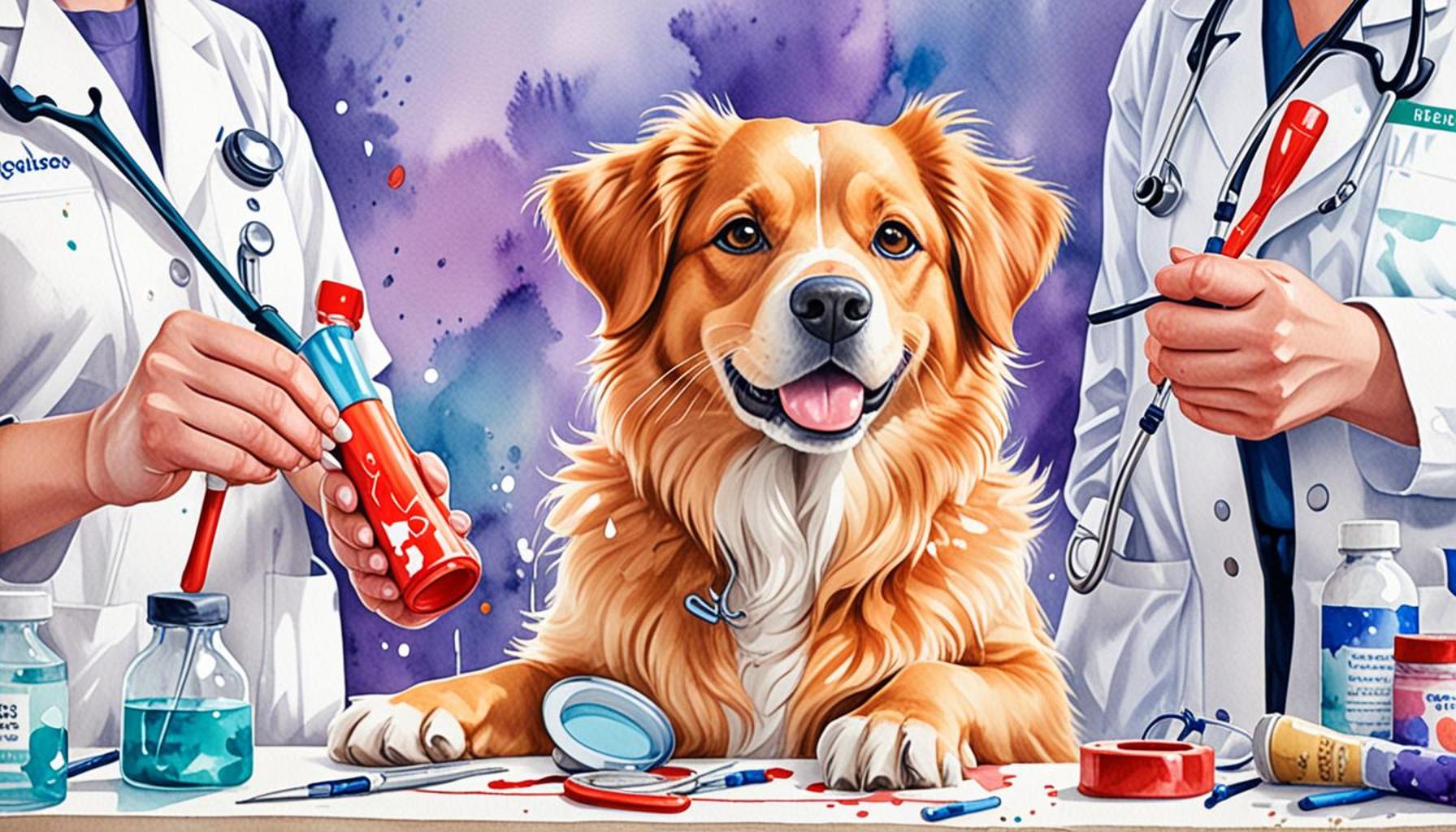
The Importance of Preventive Care in Pet Health
Every pet owner wants their furry companion to lead a happy and healthy life. The key to achieving this is through preventive care, which indeed encompasses a variety of proactive health measures, the most vital of which are regular veterinary visits. These check-ups are not merely routine; they play a crucial role in identifying potential health issues early on, often allowing for interventions when they are still manageable and less costly.
Regular veterinary visits provide several benefits that pet owners should consider an essential part of overall animal care. These benefits include:
- Early detection of diseases: Routine examinations can uncover hidden health problems, such as dental disease, obesity, or even more severe conditions like diabetes and cancer. For instance, by detecting a thyroid imbalance early, a veterinarian can recommend treatment options that can substantially prolong your pet’s life.
- Vaccination updates: Vaccines are critical in protecting pets against common and potentially fatal illnesses such as parvovirus, rabies, and distemper. Keeping vaccination schedules updated not only helps in safeguarding your pet but is also often crucial for compliance with state laws or regulations.
- Nutrition and lifestyle advice: Every pet is unique, and veterinarians can provide tailored dietary recommendations that consider your pet’s age, breed, and health status. For example, senior pets may require a specific diet rich in omega fatty acids for joint health, while young dogs might need a protein-rich diet for growth.
Statistics underscore these preventive measures’ significance, showing that pets receiving consistent preventive care often enjoy longer and healthier lives. Notably, studies indicate that adhering to routine vaccinations and health screenings can lower the risk of serious diseases by up to 70%. Such compelling evidence marks the necessity of prioritizing regular veterinary visits in your pet’s care routine.
Additionally, regular check-ups can foster stronger bonds between pet owners and veterinarians. This relationship is invaluable; open communication leads to better health outcomes. By discussing behavioral, nutritional, and social issues during visits, you can become more attuned to your pet’s unique needs and ensure a harmonious home environment.
As you explore the realm of preventive care, consider how your routine can be customized to fit your pet’s distinct requirements. Engaging in the journey of preventive health care can lead to improved outcomes for your pet, alleviating worries and enhancing the joyous experience of pet companionship for both you and your four-legged family member.
To further delve into the topic of preventive care, resources such as the American Veterinary Medical Association (AVMA) and local veterinary clinics often provide valuable insights and educational materials. Keeping informed will undoubtedly enhance your understanding and capability in making decisions that promote the health and happiness of your beloved pets.
DISCOVER MORE: Click here for insights on pet nutrition
Understanding Routine Veterinary Care
Regular veterinary visits are a cornerstone of preventive care that cannot be overstated. These appointments are not only vital for addressing immediate health concerns, but they also serve as an invaluable opportunity to set the stage for your pet’s long-term wellness. During these visits, veterinarians perform a thorough examination, carefully evaluating everything from your pet’s physical condition to their overall demeanor. This comprehensive approach enables veterinarians to spot any signs of illness or distress that may otherwise go unnoticed by the untrained eye.
One of the primary focuses of routine veterinary care is preventive screenings. These screenings often include blood tests, fecal examinations, and urinalysis, which can detect underlying conditions such as parasites, organ dysfunction, or early signs of chronic diseases. For instance, conditions like heartworm or kidney disease can manifest subtly, and early detection can make all the difference in treatment success and overall quality of life.
The Role of Preventive Care in Lifespan Extension
The statistics are compelling: pets that receive regular veterinary attention tend to live longer, healthier lives compared to those who do not. According to the American Animal Hospital Association (AAHA), pets that receive routine preventive care can experience a lifespan increase of over 15 percent due to early identification and management of health issues. This longevity can lead to reduced veterinary costs in the long run, as proactive measures often minimize the necessity for more intensive treatments and procedures associated with advanced illnesses.
Aside from addressing potential medical issues, regular check-ups also present an opportunity for veterinarians to discuss important aspects of your pet’s lifestyle, including:
- Behavioral assessments: Understanding your pet’s behavior can be crucial in identifying stressors that might affect their well-being, along with strategies for creating a balanced environment.
- Preventive dental care: Oral health is often overlooked yet essential; veterinarians can provide advice and services that help prevent periodontal disease, which is common in pets.
- Exercise recommendations: Every pet has unique exercise needs. Veterinarians can tailor exercise plans promoting physical health and mental stimulation.
The bonding that develops between pet owners and veterinarians during these visits is irreplaceable. Building a trusting relationship facilitates open communication about any concerns you may have, ensuring that your pet’s health and happiness remain the top priority. Engaging in regular veterinary visits not only promotes preventive care but also enriches the life of your beloved companion.
As pet owners, embracing routine veterinary care empowers you to be proactive rather than reactive when it comes to your pet’s health. By staying informed and taking action, you are well on your way to ensuring that your furry friend enjoys all the love and joy they bring into your life for many years to come.
Understanding the Role of Preventive Care
Preventive care is essential in ensuring your pet’s long-term health and well-being. By prioritizing regular veterinary visits, pet owners can actively engage in the early detection and management of potential health issues before they escalate into serious conditions. This proactive approach not only safeguards your pet’s health but also contributes to a more enjoyable life together.
| Category | Advantages |
|---|---|
| Routine Check-ups | Early identification of health issues can enhance treatment outcomes. |
| Vaccinations | Prevent the spread of contagious diseases and protect community health. |
| Dental Care | Promotes healthier teeth and gums, reducing medical complications. |
| Nutrition Advice | Tailored nutritional recommendations support overall wellness. |
Regular veterinary visits not only foster a trusting relationship between your pet and the veterinarian but also empower pet owners with knowledge about their pet’s health. Engaging in discussions about your pet’s diet, exercise, and lifestyle choices can significantly impact their quality of life. As the adage goes, “An ounce of prevention is worth a pound of cure.” By making these visits routine, you enable your pet to live a longer, healthier life while enjoying the fantastic bonds of companionship.
DISCOVER MORE: Click here to learn about decoding pet food labels
Vaccination and Its Role in Preventive Health
In addition to comprehensive health examinations, vaccination plays a critical role in maintaining your pet’s health and preventing diseases. Vaccines protect against a variety of infectious diseases, some of which can be life-threatening or lead to chronic health issues. Common vaccines include those for rabies, distemper, parvovirus, and Bordetella, among others. The timing and frequency of vaccinations can vary based on your pet’s age, species, and specific health considerations, making it essential to consult your veterinarian for a tailored vaccination schedule.
The importance of vaccines extends beyond individual pets; they also contribute to the broader concept of herd immunity, where a high vaccination rate within a community significantly reduces the risk of disease outbreaks. This is particularly pertinent in situations involving schools, dog parks, or shelters where pets come into contact with one another. By ensuring your pet is vaccinated, you are not only protecting your own furry friend but also contributing to the health of the entire pet population.
Parasite Prevention: A Vital Component of Preventive Care
Routine veterinary visits also provide an opportunity to address parasite prevention, an essential yet often underestimated aspect of pet care. Parasites such as fleas, ticks, and heartworms can pose significant health risks, leading to severe physical and behavioral issues in pets. Regular screenings and preventive treatments are crucial since these parasites can cause both immediate discomfort and long-term health complications.
For instance, heartworms, transmitted through mosquito bites, can lead to severe heart and lung damage if not detected early. Fortunately, preventive medications are available and can be easily integrated into your pet’s routine, making it a simple process to shield your pet from these dangers. Regular veterinary visits offer a platform for discussing the best parasite prevention strategies tailored for your pet’s specific lifestyle and environment.
Nutrition and Weight Management Insights
Another pivotal aspect of routine veterinary care is discussing nutrition and weight management. With obesity rates in pets on the rise—an alarming trend noted by the Association for Pet Obesity Prevention—veterinarians can guide you in establishing a balanced diet that meets your pet’s nutritional needs while promoting a healthy weight. The right nutrients and portion sizes vary not only by the pet’s age and species but also their breed and existing health conditions.
During these veterinary visits, professionals can also provide advice on the types of foods, feeding schedules, and even treats that align with a healthy lifestyle. This personalized approach allows pet owners to make informed choices that enhance their pet’s overall well-being. Additionally, veterinarians can recommend strategies for incorporating exercise into your pet’s daily routine, which is critical in preventing obesity-related issues such as diabetes, joint problems, and cardiovascular disease.
Ultimately, regular veterinary visits serve as the backbone of a comprehensive preventive care strategy. From vaccinations and parasite control to nutrition and weight management, these appointments empower pet owners with the knowledge and tools necessary to keep their companions happy and healthy throughout their lives. Engaging in preventive care not only fosters a commitment to your pet’s health but resonates with the joy they bring to our lives.
LEARN MORE: Click here for insights on pet socialization
Conclusion: Prioritizing Preventive Care for Our Pets
In summary, regular veterinary visits are a crucial investment in your pet’s long-term health and happiness. These appointments go far beyond basic check-ups; they encompass essential elements such as vaccinations, parasite control, and nutritional guidance. By keeping your pet’s vaccinations up to date, you not only safeguard their well-being but contribute to the health of the wider animal community through herd immunity. This community approach is particularly vital in environments where pets interact, reducing the risk of disease outbreaks that can have devastating effects.
Moreover, addressing parasite prevention during these visits can avert significant health complications caused by pests like fleas, ticks, and heartworms. With expert advice from veterinarians, pet owners can tailor prevention strategies specifically to their pet’s lifestyle, enhancing both quality of life and longevity. As the epidemic of pet obesity continues to rise, vets also play a pivotal role in offering personalized insights into nutrition and weight management. An informed choice about diet and exercise can greatly impact your pet’s overall health, reducing the risk of serious conditions like diabetes or joint issues.
Ultimately, the importance of preventive care cannot be overstated. Regular veterinary check-ups empower pet owners to take proactive steps towards enhancing their furry friends’ lives. When we prioritize our pets’ health through consistent veterinary care, we invest in countless joyful moments together. As stewards of our pets’ well-being, let us commit to regular veterinary visits and ensure a thriving, vibrant life for our beloved companions.