
The Importance of Microchip Identification: Ensuring the Safety and Return of Lost Animals
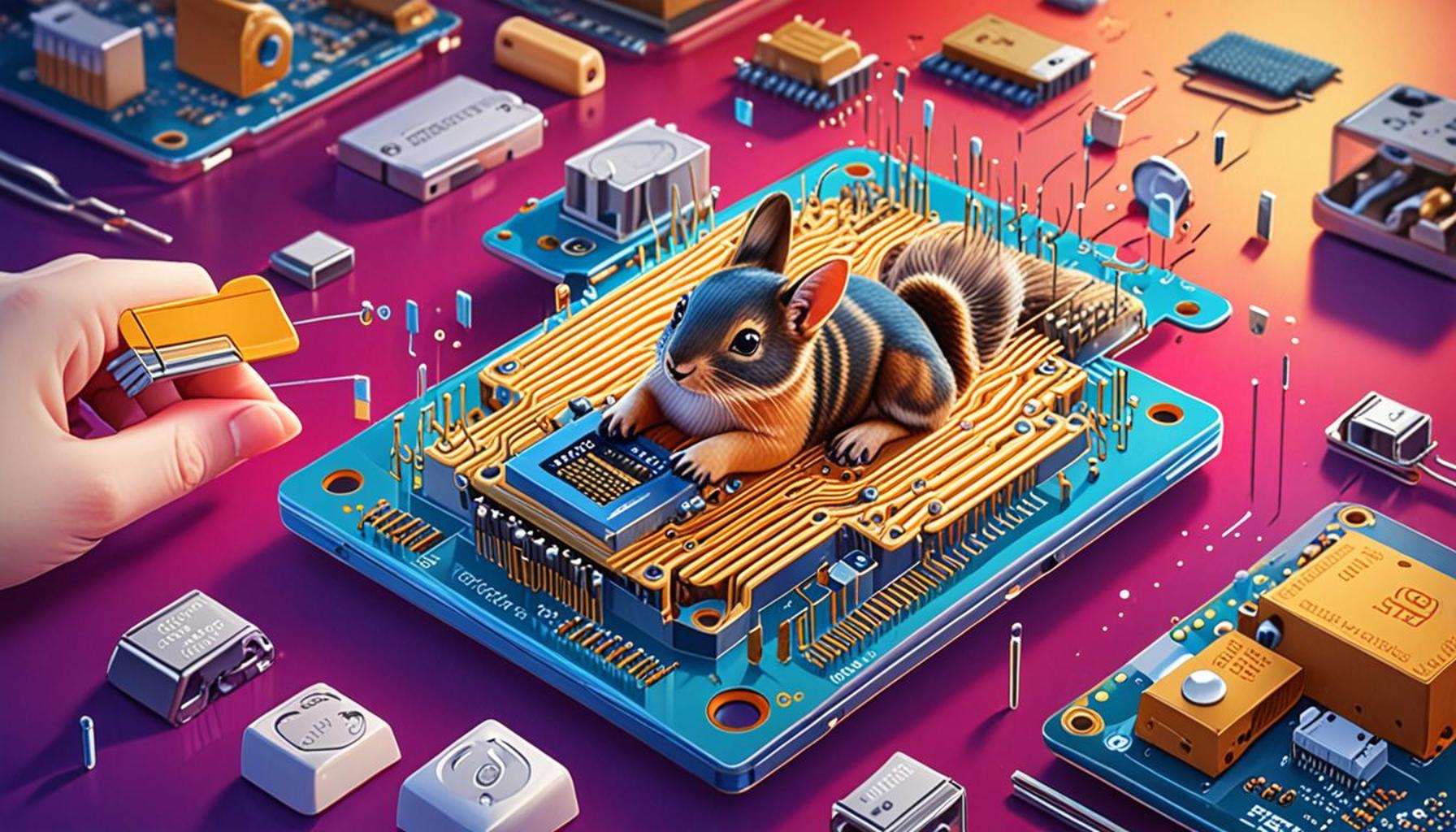
The Importance of Microchip Identification for Pets
Every year, millions of pets go missing in the United States, leaving owners devastated and searching for answers. Microchip identification has emerged as a crucial solution, providing a reliable way to ensure the safety and return of lost animals. Here’s why it matters:
- Permanent identification: Unlike collars and tags, which can easily fall off or become damaged, microchips stay with the animal for life. These tiny devices, roughly the size of a grain of rice, are implanted under the skin of the pet, usually between the shoulder blades. This ensures that the identification is tamper-proof and cannot be removed unintentionally.
- Easy registration: Most veterinarians and animal shelters can scan a chip to reveal the owner’s contact information. Upon scanning, the unique identification number linked to a database provides vital information that can lead to a quick reunion between pet and owner. The process is simple and typically takes only a few seconds, allowing for immediate action.
- Increased recovery rate: Studies show that microchipped pets are significantly more likely to be reunited with their owners. According to a study published in the Journal of the American Veterinary Medical Association, microchipped dogs are 2.5 times more likely to be returned home than those without chips. For cats, the recovery rate jumps to over 20 times!
The insertion of the microchip is a quick and minimally invasive procedure performed by a veterinarian. This technology bridges the gap between lost pets and relieved owners, creating a sense of security in pet ownership. Installing such a small device can make a world of difference, particularly in a country where nearly 10 million pets are lost annually.
Moreover, many states and local governments are beginning to encourage or mandate microchip identification for pets. For instance, California has enacted laws requiring microchipping for certain animals in shelters, which has raised awareness about responsible pet ownership and the importance of recovery measures. These legislative actions not only protect animals but also engage the community in the broader discussions about pet welfare.
Implementing microchip technology involves simple steps—most pet owners only need to set an appointment with a veterinarian for the procedure. The small investment in a microchip can lead to significant peace of mind and, ultimately, a safe return for lost animals. As awareness grows, pet owners are encouraged to embrace microchipping as an essential step in safeguarding their furry companions. Additionally, continued education on the importance of keeping contact information updated in the microchip database can further enhance recovery efforts, ensuring that as many pets as possible find their way back home.
DISCOVER MORE: Click here for essential tips
Understanding the Power of Microchip Technology
Microchip identification represents a vital advancement in pet safety, offering pet owners a sense of security that traditional identification methods simply cannot provide. This tiny device, implanted just under the skin, serves as a permanent record of ownership and significantly enhances the chances of reuniting lost pets with their families.
The necessity of microchip identification is underscored by staggering statistics. The American Society for the Prevention of Cruelty to Animals (ASPCA) reports that around 37% of lost dogs and 2% of lost cats are returned to their owners when they lack any identification. In contrast, microchipped animals boast a far superior recovery rate. A survey by the HomeAgain pet recovery service indicated that, without a microchip, a pet’s chance of being reclaimed drops dramatically, especially for cats who are often more elusive and less likely to be taken to shelters.
What’s remarkable about microchips is their non-invasive installation. The procedure can be completed within minutes and requires minimal preparation—an essential factor for pet owners concerned about stress and comfort. Moreover, microchip technology is universally compatible, making it a standardized solution across veterinary clinics and animal shelters nationwide. Once implanted, the microchip can provide essential data when scanned, including the pet’s unique identification number and the owner’s contact information.
To further elaborate on the benefits of microchip identification, here are several important points:
- Long-lasting Solution: Unlike collars and tags that can be lost or damaged, microchips provide a permanent form of identification for the lifetime of the pet.
- Quick and Effective Recovery: A swift scan of a microchip can prompt immediate communication between shelters and pet owners, drastically reducing the time spent searching for a lost pet.
- Peace of Mind: Knowing that your pet has a reliable means of identification fosters a sense of security for pet owners, affecting how they manage their pets’ activities.
With the implementation of laws in several states encouraging pet owners to microchip their animals, awareness is on the rise. For example, cities like Los Angeles have initiated programs that not only promote microchipping but also provide financial assistance to encourage more widespread compliance. Such community-driven efforts highlight a shared responsibility among pet owners to ensure that lost animals have a safety net in the form of microchip technology.
In essence, embracing microchip technology is a small step that can yield profound benefits for both pets and their owners. By prioritizing this critical form of identification, we not only enhance the likelihood of reuniting lost animals but also strengthen the bond of trust between pet and owner. It’s a crucial measure in safeguarding the safety and well-being of our furry companions, paving the way for a more responsible culture of pet ownership.
| Advantage | Description |
|---|---|
| Permanent Identification | Microchips provide a permanent and unique identification for pets, making it easier for shelters and vets to match lost animals with their owners. |
| Increased Chance of Recovery | Microchip identification significantly increases the chances of lost pets being returned home quickly, fostering a safer environment. |
| No Maintenance Required | Unlike collars or tags, microchips do not require upkeep and cannot be lost or removed, providing peace of mind for pet owners. |
| Widespread Acceptance | Microchip technology is widely accepted by veterinary clinics and animal shelters, ensuring that lost animals can be identified at various locations. |
The introduction of microchip identification brings to light a compelling solution for ensuring the safety of animals. A small electronic chip, implanted just under the skin of the pet, encapsulates vital information. This system not only minimizes the emotional toll on pet owners but also contributes to community efforts in reducing stray populations.
DISCOVER MORE: Click here for essential tips on senior pet care
Driving Awareness and Best Practices for Microchip Identification
Despite the evident advantages of microchip technology, many pet owners remain unaware of its crucial role in ensuring the safety of their animals. Education is a powerful tool in bridging this gap. Various organizations advocate for the promotion of microchipping through community outreach programs, informational seminars, and partnerships with local veterinarians. Engaging pet owners in conversations about microchip identification can greatly increase its adoption rate, further safeguarding pets across the country.
One of the critical components of effective microchip identification is ensuring that the information linked to the microchip remains up-to-date. When pets change ownership, relocation occurs, or owners change their phone numbers, failing to update microchip registries can lead to dire consequences. According to the American Veterinary Medical Association (AVMA), approximately 50% of pets with microchips have outdated contact information, significantly hindering the chances of a successful reunion. Pet owners must take an active role in maintaining this information, ensuring their beloved companion can always be traced back to them.
Moreover, not all microchip registries are created equal. Some offer additional services, such as 24/7 support and recovery assistance, while others may have different procedures for reconnecting lost pets to their owners. By choosing a registry that best suits their needs, pet owners can provide themselves with an extra layer of security. It is vital to research and select a reputable registry that will be instrumental in the quick identification and recovery of lost animals.
- Microchip Scanners: To leverage microchip technology effectively, animal shelters and veterinary offices must possess compatible microchip scanners. These devices can read the information encoded in the microchip, making it essential that all facilities are equipped and trained in their use.
- Health Benefits: The implantation procedure for microchips is safe and can be performed during routine veterinary visits. It does not require any anesthesia and eliminates the need for physical tags that can lead to health risks when they get caught or lost.
- Legislation and Advocacy: Legislative measures in various states requiring dog licensing and microchipping fortify the safety net for lost animals. Advocacy groups like Bans on Breed-Specific Legislation aim to promote such laws, highlighting the role of microchips as an equitable solution for pet identification regardless of breed.
In addition to increasing adoption rates and keeping information current, the potential for widespread microchip use expands beyond pets. Initiatives exploring microchipping for outdoor farm animals and urban wildlife demonstrate a growing awareness of identifying all animals. These solutions will not only enhance the safety of these animals but will also promote wildlife protection efforts.
As microchip technology evolves, enhancing the database connectivity between shelters, veterinarians, and pet owners emerges as an essential next step. By fostering an integrated system, lost pets can be promptly identified and returned home, thus significantly decreasing the burden on animal shelters wrestling with overcrowding. Such collaboration can lead to greater decreases in euthanasia rates, turning the focus towards proactive solutions in animal welfare.
In summary, the discourse surrounding microchip identification is broadening as communities and organizations work diligently to educate the public on its importance. Pet owners can play an instrumental role in ensuring the safety and return of lost animals by adopting best practices surrounding microchip use and staying informed about advancements in this technology. As society continues to embrace these measures, the chances of reuniting lost pets with their families will only continue to improve.
DISCOVER MORE: Click here for healthy pet treat recipes
Conclusion: A Commitment to Animal Safety Through Microchip Identification
As pet ownership continues to flourish across America, the imperative for effective animal identification becomes increasingly clear. The implementation of microchip identification serves as a vital tool for ensuring the safety and return of lost animals, providing pet owners with peace of mind in an unpredictable world. The long-term benefits of microchipping far outweigh the initial concerns of cost or procedure; it is a proactive step toward a more secure future for our furry companions.
With an alarming 50% of miсrochipped pets being linked to outdated information, the onus falls on pet owners to stay vigilant and keep their details current. This simple act not only enhances the animal’s chances of being reunited with its family but also exemplifies responsible pet ownership. Furthermore, as community advocacy efforts grow, so too does the understanding of how microchipping serves as an equitable solution for the identification of not just household pets but farm animals and urban wildlife as well.
In a society where animal welfare is increasingly recognized, legislative measures advocating for mandatory microchipping and public awareness campaigns must be prioritized. By fostering a deeper understanding of microchip identification, we can unite to protect our beloved animals effectively. The collaborative efforts of shelters, veterinarians, and pet owners will pave the way for a future where lost pets can swiftly return home, ultimately changing the narrative around animal safety in America.
In conclusion, the journey toward ensuring the safety of lost animals begins with embracing microchip identification. A commitment to educating ourselves and others about its unparalleled benefits lays the foundation for a society that prioritizes the reunion of pets with their families and enhances the warmth and safety of our homes.