
How to Train Your Pet to Follow Basic Commands at Home
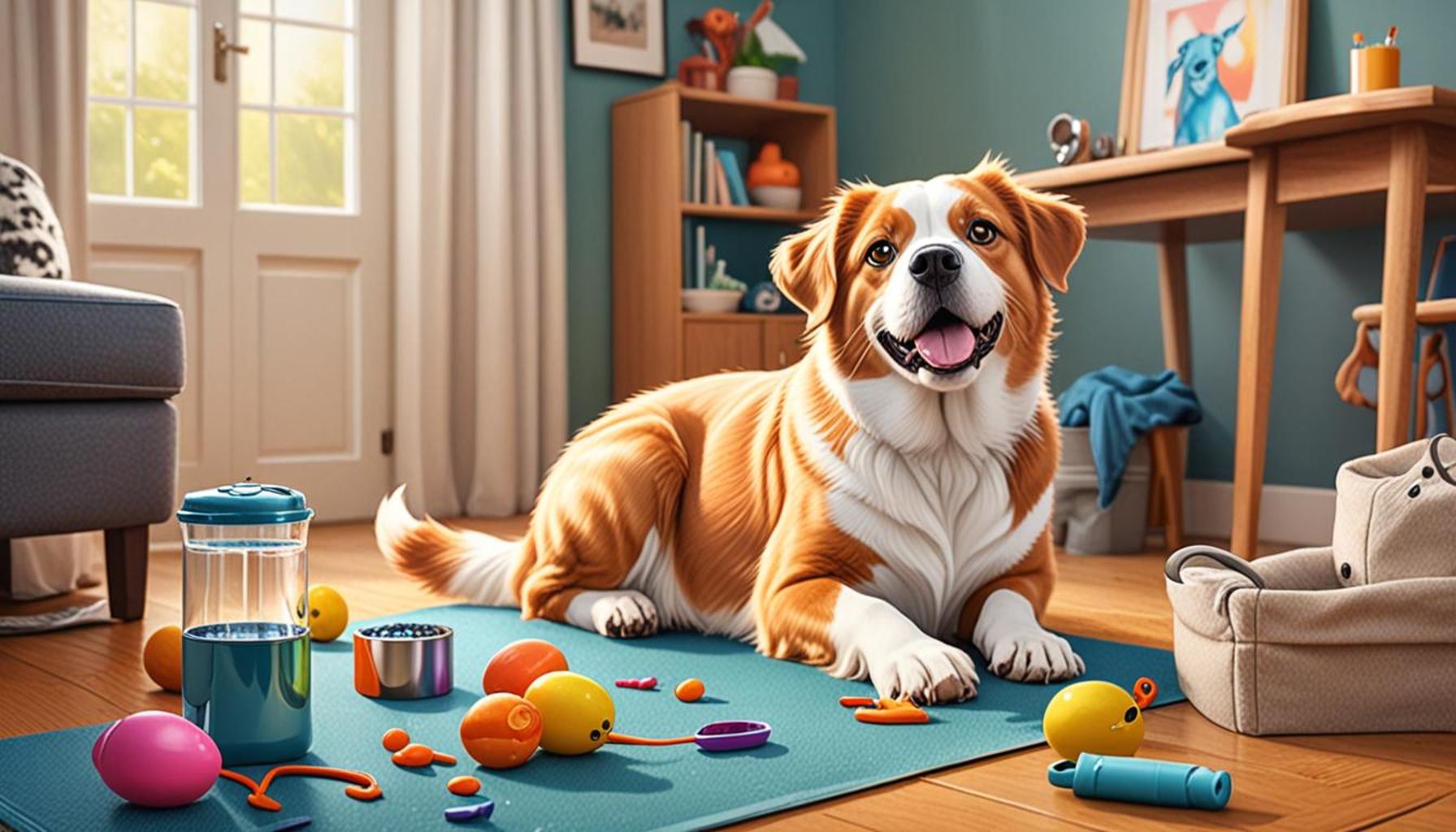
Understanding the Importance of Training
Training your pet at home does more than just instill basic commands; it plays a crucial role in enhancing the relationship between you and your furry companion. When you invest time and effort into training, you ultimately foster a deeper connection that translates into trust and respect. Moreover, a well-trained pet can lead to a more harmonious household, reducing behavioral issues and ensuring a safer environment for both your pet and your family members.
Benefits of Basic Commands
Learning simple commands significantly improves your pet’s overall quality of life while providing you with better control over their actions in various situations. Consider the following essential commands that every pet should master:
- Sit: This foundational command is often the starting point for training. By teaching your pet to sit, you can effectively manage their excitement and prevent jumping at guests or during feeding times.
- Stay: Encouraging your pet to remain in place is essential for keeping them safe. For example, when you need to open the front door, having your pet remain in a designated spot keeps them out of harm’s way.
- Come: Teaching the “come” command is vital for outdoor adventures. When you call your pet, a reliable response can mean the difference between fun and danger, especially in busy parks or near roads.
- Leave It: This command is critical for preventing your pet from picking up potentially harmful objects, such as trash or dangerous substances they might encounter while on walks.
Creating a Positive Learning Environment
To maximize the effectiveness of your training sessions, crafting a positive learning environment is vital. This space should be comfortable and free from distractions, allowing your pet to focus on learning. Utilizing positive reinforcement, such as providing treats, verbal praise, or engaging toys, can motivate your pet to exhibit good behavior and associate training with fun experiences.
Consistency and patience are essential components of the training process. Each pet has a unique learning style and pace. Therefore, understanding your pet’s behavior and adjusting your techniques accordingly can yield better results over time.
Setting Realistic Goals
When embarking on your training journey, start with one command at a time. It’s important to keep training sessions short and engaging; aim for sessions lasting between 5 to 10 minutes to maintain your pet’s attention and enthusiasm. By steadily making progress and gradually introducing new commands, you will foster a well-behaved companion.
In conclusion, training your pet is a rewarding experience that not only brings structure to your household but also enriches the bond you share. As you embark on this journey, keep in mind that the dedication you show will be reflected in your pet’s behavior, leading to a happier and safer living environment for everyone involved.
DON’T MISS OUT: Click here to enhance your puppy training skills
Establishing a Training Routine
Creating a structured training schedule is fundamental when teaching your pet basic commands. Consistency is the key to success. To effectively train your pet at home, consider setting aside specific times of the day dedicated solely to training sessions. For instance, first thing in the morning right before breakfast or after a leisurely evening walk can be effective times for engaging your pet. This regularity not only helps in reinforcing learning but also builds anticipation in your pet, making them more eager to participate.
Choosing the Right Time and Duration
Selecting the optimal time for training is crucial. Training sessions should occur when your pet is most alert and receptive. For most pets, this will typically be in the morning or after a period of physical activity. It’s also essential to keep training sessions short to maintain their interest, typically no longer than 5 to 10 minutes. This approach ensures that your pet remains focused and isn’t overwhelmed, maximizing the efficiency of each training session.
The Power of Positive Reinforcement
The backbone of effective pet training lies in positive reinforcement. This method involves rewarding your pet for correctly following commands. Rewards can come in various forms, including:
- Treats: Small, tasty rewards that your pet enjoys are often the most effective motivators. Ensure these treats are healthy and suitable for your pet’s diet.
- Verbal Praise: Enthusiastic affirmations such as “Good boy!” or “Well done!” help reinforce the desired behavior. Your tone should reflect genuine excitement to encourage your pet.
- Playtime: For many pets, a few minutes of playtime with a cherished toy can be an enticing reward, reinforcing their connection to the training process.
It’s vital to deliver these rewards immediately after your pet performs the desired command. This association builds a positive connection in their minds, linking specific actions with positive outcomes.
Understanding Your Pet’s Learning Style
Recognizing that each pet has a different learning style is essential in tailoring your training approach. Some pets respond better to visual cues, while others may rely on verbal commands or gestures. Observe how your pet reacts to different signals and adjust your methods accordingly. For instance, if your dog seems more responsive when you use hand signals in addition to verbal commands, incorporate this approach into your training routine.
Moreover, be patient and don’t rush the process. Learning takes time, and your pet may need several repetitions to grasp each command effectively. Remain encouraging throughout the journey, celebrating even the smallest victories to motivate your pet.
In summary, establishing a consistent training routine, utilizing positive reinforcement, and understanding your pet’s unique learning style can pave the way for successful command training at home. By implementing these strategies, you will not only teach your pet essential commands but will also foster a stronger bond that enhances the overall pet-owner relationship.
| Training Method | Advantages |
|---|---|
| Positive Reinforcement | Increases learning speed while building trust |
| Consistency in Commands | Helps your pet understand expectations effectively |
| Short Training Sessions | Keeps your pet engaged without overwhelming them |
| Utilizing Everyday Moments | Makes training a natural part of your routine |
Training your pet to follow basic commands at home can be a rewarding experience that enriches your bond. One of the most effective strategies is using positive reinforcement. This method not only enhances obedience but also nurtures a strong relationship built on trust and respect. When your pet associates correct behavior with rewards like treats or praise, they are likely to repeat that behavior.Another crucial aspect of effective pet training is maintaining consistency. Using the same commands and gestures every time ensures that your pet understands what is expected of them. Additionally, keeping training sessions short and enjoyable is vital; this prevents overwhelming your pet and promotes a focus on learning.Incorporating training into everyday activities maximizes opportunities for learning. For instance, ask your pet to sit before feeding to reinforce basic commands naturally throughout your day. By applying these techniques, you’ll foster a well-behaved pet that not only follows commands but thrives in a loving home environment.
LEARN MORE: Click here to discover the importance of health guidelines for pet nutrition.
Utilizing Effective Techniques for Command Training
While establishing a training routine and employing positive reinforcement are fundamental to your pet’s education, utilizing effective techniques can significantly enhance the learning process. There are several recognized methods that pet owners can apply to ensure their furry friends grasp commands easily and effectively.
Clicker Training: A Helpful Tool
One popular method among pet trainers is clicker training. A clicker is a small device that makes a distinct sound when pressed, creating an immediate auditory marker that indicates the desired behavior has been achieved. This technique works on the principle of operant conditioning, where the sound of the click is associated with a positive reward.
To implement clicker training, follow these steps:
- Condition the Clicker: Start by allowing your pet to associate the sound of the clicker with a reward. Click the device and immediately provide a treat. Repeat this several times until your pet responds positively to the click.
- Introduce Commands: Once your pet understands the clicker, introduce basic commands like “sit” or “stay.” Use the clicker at the precise moment your pet performs the desired action.
- Gradually Fade the Clicker: As your pet becomes more proficient, you can start to fade out the clicker and rely more on verbal commands and physical gestures.
This method not only guarantees clearer communication but also enriches the interaction between you and your pet, turning training into a fun bonding experience.
Incorporating Distraction Training
As your pet masters basic commands, it is crucial to teach them to obey under various circumstances. Distraction training involves introducing different stimuli that may divert your pet’s attention and testing their ability to follow commands amidst distractions.
Start by training your pet in a calm area and gradually introduce more challenging environments, such as a park or during family gatherings. Use treats or toys to keep their focus on you, and reward them for staying attentive even when they are surrounded by distractions. This technique is vital for ensuring your pet responds correctly in real-world situations, enhancing their reliability.
Utilizing Group Training Opportunities
If possible, consider enrolling your pet in group training classes. Not only do these classes provide structured learning under professional guidance, but they also expose your pet to socialization opportunities with other animals and people. This experience can make them more adaptable and open to following commands in varied settings.
Group classes often cover essential commands and provide strategies to deal with behavioral issues that may arise. Additionally, they can be a source of invaluable tips from fellow pet owners who share similar journeys.
Monitoring Progress and Adjusting Techniques
Continuously monitoring your pet’s progress is essential for effective training. Remain observant about their responsiveness to commands during sessions and daily life. If you notice that certain techniques or rewards are no longer effective, don’t hesitate to experiment with new strategies or adjust your approach.
For example, if your pet seems less motivated by treats, switching to favorite toys or increased verbal praise might rekindle their enthusiasm for learning. Emphasizing adaptability in your training methods will enhance your pet’s ability to respond to commands and deepen your mutual understanding.
By utilizing effective techniques like clicker training, distraction training, and group training opportunities, you can significantly improve your pet’s ability to follow basic commands. Couple this with ongoing assessment and adaptability in your training style for peak success at home.
DIVE DEEPER: Click here to enhance your pet’s well-being
Key Takeaways on Pet Training
Training your pet to follow basic commands at home is more than just a necessity; it can be a delightful and enriching experience that enhances the overall quality of life for both you and your furry companion. This process fosters a harmonious and respectful relationship, which is essential in any pet-owner dynamic. Utilizing proven methods such as clicker training, distraction training, and engaging group classes can dramatically elevate your pet’s learning abilities and responsiveness.
Consistency, patience, and positive reinforcement are the bedrock principles of effective training. For instance, every time your dog successfully sits on command or your cat paws at a toy to retrieve it, rewarding that behavior with treats or praise reinforces their willingness to learn. You might find that using treats that your pet enjoys can significantly speed up learning—such as using small pieces of chicken for dogs or catnip-infused toys for cats.
Understanding Your Pet’s Unique Personality
It’s crucial to remember that every pet is unique, exhibiting different temperaments and learning styles. While one dog might respond eagerly to a whistle, another might be more motivated by toys or affection. Tailor your training methods based on your pet’s individual personality and cues. For example, if your dog seems easily distracted by noises in the environment, you may want to practice in quieter spaces to help them focus better.
Making Training a Fun Routine
Further, integrating training sessions into your daily routines can turn a mundane task into a fun activity. Aim for sessions that are short, lively, and vary from day to day to sustain your pet’s enthusiasm. Consider challenging your pet with new tricks or introducing agility courses if you are training a dog. Not only does this provide mental stimulation, but it also helps in developing a deeper bond. You’ll likely find that your pet enjoys these interactions and looks forward to them, further cultivating a sense of teamwork between you both.
Throughout this training journey, celebrate not just the milestones but also small successes along the way. Each “successful sit” or “come” serves as a building block toward a more well-behaved and balanced companion. Embrace both the joys and challenges of training, as they offer enriching experiences that facilitate better communication and connection between you and your pet. Ultimately, it is through these shared journey experiences that both lives become extraordinary, fostering a deeper understanding and companionship.