Adaptations for Pets with Special Needs: Creating an Inclusive Environment
Creating a Friendly Space for All Pets
Every pet deserves a loving and inclusive environment, but for those with special needs, this concept takes on a deeper significance. Adaptations for pets with special needs can greatly enhance their quality of life. A well-thought-out environment can make all the difference in their daily experiences, transforming not just their routines but their overall well-being.
Understanding Special Needs
Pets may have special needs due to a variety of reasons, including:
- Physical disabilities – such as amputations or paralysis, which can limit mobility and impact daily activities.
- Chronic illnesses – like diabetes or arthritis, requiring careful management and sometimes special diets or medication.
- Behavioral issues – including anxiety or sensory processing disorders, which may manifest through stress behaviors or a reluctance to engage with the environment.
Implementing effective adaptations requires creativity and compassion. Some simple yet impactful changes can transform a pet’s life:
- Accessibility tools – tools such as ramps, specially designed wheelchairs, or non-slip surfaces can provide easier movement and access to various areas in the home and garden. For instance, a ramp can allow a dog with mobility issues to navigate stairs safely.
- Comfort items – beds designed with orthopedic support can alleviate joint pain for pets suffering from arthritis. Elevated feeding stations can also make mealtime easier for pets with neck or back issues.
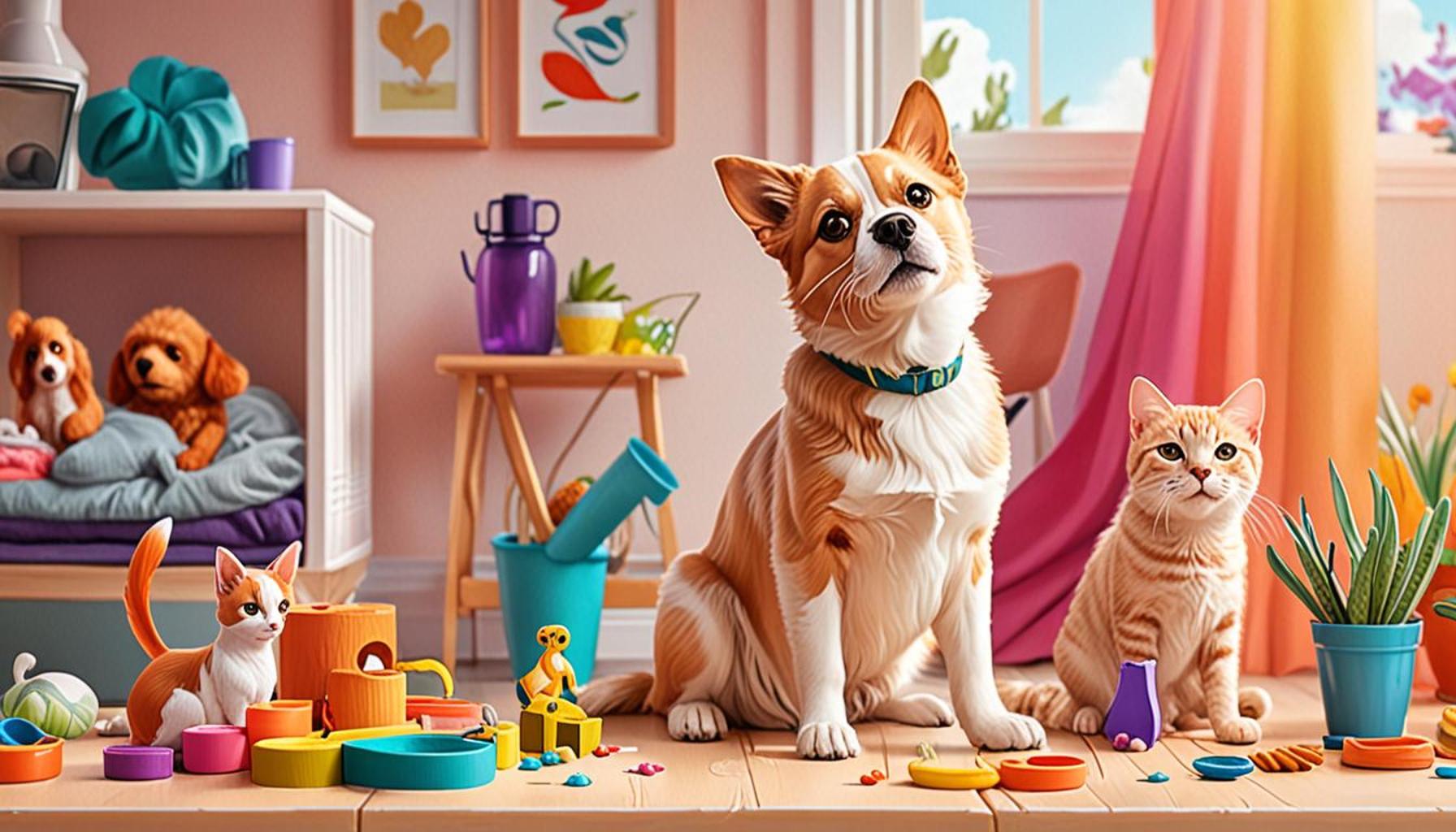
- Safe spaces – creating designated areas that cater to their unique needs, such as quiet zones for anxious pets or secure places where they can retreat when overwhelmed, promotes a sense of security. For example, a cozy nook filled with their favorite toys can serve as a calming retreat.
As we delve deeper into this essential topic, you’ll discover innovative ways to tailor your home and routine to create an accepting atmosphere for all pets. For instance, organizations like Pet Partners often highlight the benefits of therapy animals, showcasing how supportive environments can profoundly impact both pets and their owners. Additionally, resources like local pet therapy programs offer guidance on enhancing the emotional well-being of pets facing challenges.
By making these changes, you not only enhance your pet’s life but also foster a culture of empathy and inclusivity among pet owners and the wider community. Emphasizing accessible designs and compassionate care can lead to a greater understanding of the unique joys and challenges faced by pets with special needs, encouraging ongoing exploration and support for all furry companions.
DIVE DEEPER: Click here to learn more about pet nutrition guidelines
Essential Adaptations to Enhance Lives
Creating an inclusive environment for pets with special needs involves more than just understanding their unique challenges; it also requires thoughtful adaptations that can significantly improve their quality of life. Whether a pet has a physical disability, chronic illness, or behavioral challenges, the right changes can empower them to thrive within their living space. Key adaptations include *physical modifications*, *emotional support tools*, and *engagement strategies* that cater to their individual needs.
Physical Modifications
For pets facing mobility issues, enhancing accessibility is crucial. Some effective physical modifications include:
- Ramps and Lifts: Introducing ramps not only facilitates easy movement for pets who may have difficulty with stairs, but also encourages them to explore their home freely. Pet lifts can also assist in transporting animals that cannot walk unassisted.
- Non-Slip Flooring: Transitioning to non-slip surfaces, such as rubber mats or carpets with low pile, can prevent falls and give pets a sense of stability as they move around. This simple adaptation can make a significant difference for pets with balance issues.
- Adaptive Equipment: Products like specialized harnesses can help support pets during walks, while custom wheelchairs designed for dogs that require mobility assistance can allow them to enjoy outdoor adventures without limitations.
Emotional Support Tools
Addressing the emotional needs of pets with special requirements is just as important as their physical adaptations. Providing comfort and security can ease anxiety and boost overall well-being:
- Calming Products: Utilizing anxiety wraps, pheromone diffusers, or weighted blankets can help soothe pets dealing with fear or stress. These products mimic the feeling of being held, delivering a sense of security during challenging times.
- Routine and Structure: Establishing a consistent daily routine can provide predictability, which is particularly helpful for pets dealing with anxiety or sensory processing issues. Incorporating specific meal times, play times, and quiet periods can help pets feel more secure in their environment.
Engagement Strategies
Engaging pets with special needs in stimulating activities can enhance their mental and emotional well-being. Here are a few strategies to consider:
- Interactive Toys: Toys that stimulate mental engagement can keep pets busy while providing necessary activity. Look for options that require problem-solving skills, which can aid in cognitive development.
- Socialization Opportunities: Introducing pets to gentle, well-behaved companions can encourage positive social interaction. Consider arranging playdates or utilizing pet therapy programs that allow social engagement in a controlled setting.
By focusing on these essential adaptations, pet owners can create an environment that not only accommodates but also enriches the lives of their special needs pets. From physical modifications that promote independence to emotional support tools that create safe spaces, every step taken contributes to a more inclusive and nurturing atmosphere.
Understanding Special Needs for Pets
The term special needs pets encompasses a wide range of conditions, from mobility challenges to sensory impairments. Adapting our homes and lifestyles to support these animals is not just beneficial; it’s crucial for their wellbeing. This section delves deeper into specific adaptations that can make a significant impact on the lives of these furry companions.
Housing Modifications
One of the first adaptations to consider is the living space. For pets with mobility challenges, elevated platforms or ramps can provide easier access to their favorite spots. In addition, ensuring that food and water bowls are positioned at a comfortable height can promote independence in pets with limited mobility.
Safe and Accessible Areas
Creating a safe and accessible environment is vital for pets with anxiety or sensory issues. This may include using soft lighting and reducing loud noises to help comfort sensitive pets. Establishing a designated area with cozy bedding and toys can allow pets to retreat in stressful situations, providing them with a secure environment.
Specialized Equipment
Investing in specialized equipment can also make a world of difference. There are numerous products designed specifically for animals with difficulties. Canine wheelchairs, adaptive harnesses, and orthopedic beds are just a few examples that can enhance quality of life. Moreover, many of these items can be tailored to fit individual pets, ensuring maximum comfort and efficiency.
Create Interaction Opportunities
Socialization is integral to a pet’s happiness. Creating opportunities for interaction, such as engaging with other pets or participating in therapeutic activities, can improve their mental health. Consider joining local support groups or visiting facilities centered on inclusive pet care—these social settings can cultivate friendships for both pets and owners alike.By implementing thoughtful changes in our environment and utilizing specialized tools, we can create a more inclusive world for our pets with special needs. The goal is to ensure their comfort, promote their happiness, and enhance their overall quality of life. As we continue to adapt our practices, it becomes more evident that inclusivity enriches the lives of both pets and their human companions.
DISCOVER MORE: Click here for healthy pet treat recipes
Advanced Strategies for Inclusion
Creating an inclusive environment for pets with special needs not only involves basic adaptations, but also a deeper understanding of their unique lifestyles and the significant role of the human-animal bond. By integrating advanced strategies that focus on individual personalities and conditions, pet owners can further enhance the home environment, making it a safe haven for every pet. From dietary adjustments to supportive companionship and behavioral training, the following considerations are essential to the well-being of pets with special needs.
Dietary Adjustments
A tailored diet can be a game changer for pets with special needs, particularly those with chronic illnesses or who have undergone surgery. Understanding the nutritional needs of your pet can influence their health and energy levels significantly. Some adjustments to consider include:
- Specialized Diets: Depending on their condition, pets may require a specialized diet. For example, pets with kidney disease benefit from low-protein diets, while those with allergies may need grain-free formulas. Consulting a veterinarian for diet recommendations ensures that your pet receives the nutrients necessary for optimal health.
- Feeding Strategies: Implementing feeding strategies such as dividing meals into smaller portions can make eating more manageable for pets with digestive issues or oral sensitivities. Elevated food bowls designed for pets with mobility issues can also facilitate a more comfortable dining experience.
Supportive Companionship
Companionship can play a crucial role in the emotional stability of pets with special needs. Being attuned to the social preferences of your pet will foster a more supportive environment. Consider the following:
- Companion Pets: Introducing a compatible companion pet can provide emotional support and enhance social interaction. Pets with strong bonds often learn from each other, helping to alleviate loneliness and encourage positive behaviors.
- Human Interaction: Ensuring that pets receive regular interaction with family members can combat feelings of isolation. Structured cuddle times or play sessions tailored to their comfort level can help to forge deeper bonds.
Behavioral Training Techniques
Behavioral training is an often-overlooked aspect of creating an inclusive environment. Positive reinforcement techniques can be especially effective for pets with anxiety or behavioral disorders:
- Clicker Training: This method uses a click sound to mark desired behaviors and rewards with treats or affection. When positive behavior is consistently reinforced, pets can feel more confident and secure in their environment.
- Desensitization Techniques: Gradual exposure to stimuli that may cause anxiety can help pets become more comfortable with their surroundings. For instance, using slow integration of new pets or unfamiliar environments can help ease fears.
By implementing these advanced strategies, pet owners not only address the physical and emotional needs of their special needs pets but also enrich their lives in ways that foster a nurturing and inclusive atmosphere. From specialized diets to behavioral training, every adjustment made can significantly contribute to the loving bond that grows between pet and owner, allowing for a fulfilling and joyful shared life.
LEARN MORE: Click here to enhance your pet’s well-being
Conclusion
In conclusion, adapting our homes and lifestyles for pets with special needs is not simply about making accommodations; it’s about fostering a holistic approach that honors their individuality and enhances their quality of life. By recognizing the critical importance of dietary adjustments, supportive companionship, and tailored behavioral training, pet owners can create a nurturing environment that facilitates joy and comfort for their special companions.
As society increasingly acknowledges the emotional capacity of animals, the bond between humans and pets becomes even more profound. Implementing changes that account for a pet’s unique circumstances demonstrates a commitment to their health, happiness, and well-being. For instance, taking the time to consult a veterinarian about diet can lead to significant improvements in a pet’s vitality. Similarly, ensuring social interaction through companionship or structured playtime encourages emotional stability, enriching the lives of both pet and owner.
The journey towards creating an inclusive environment is ongoing and requires dedication and empathy. Each small adjustment has the potential to make a vast difference, enhancing not just the physical spaces we share, but the emotional landscapes of our lives. As pet owners, it is our responsibility to become advocates for those who cannot speak for themselves, ensuring every pet feels loved and secure in their environment. By opening our hearts and minds to the needs of our beloved pets, we ultimately enrich our lives in return, embracing the truly transformative power of the human-animal bond.