
Healthy Eating for Pets: Nutritional Guidelines for Different Species and Ages
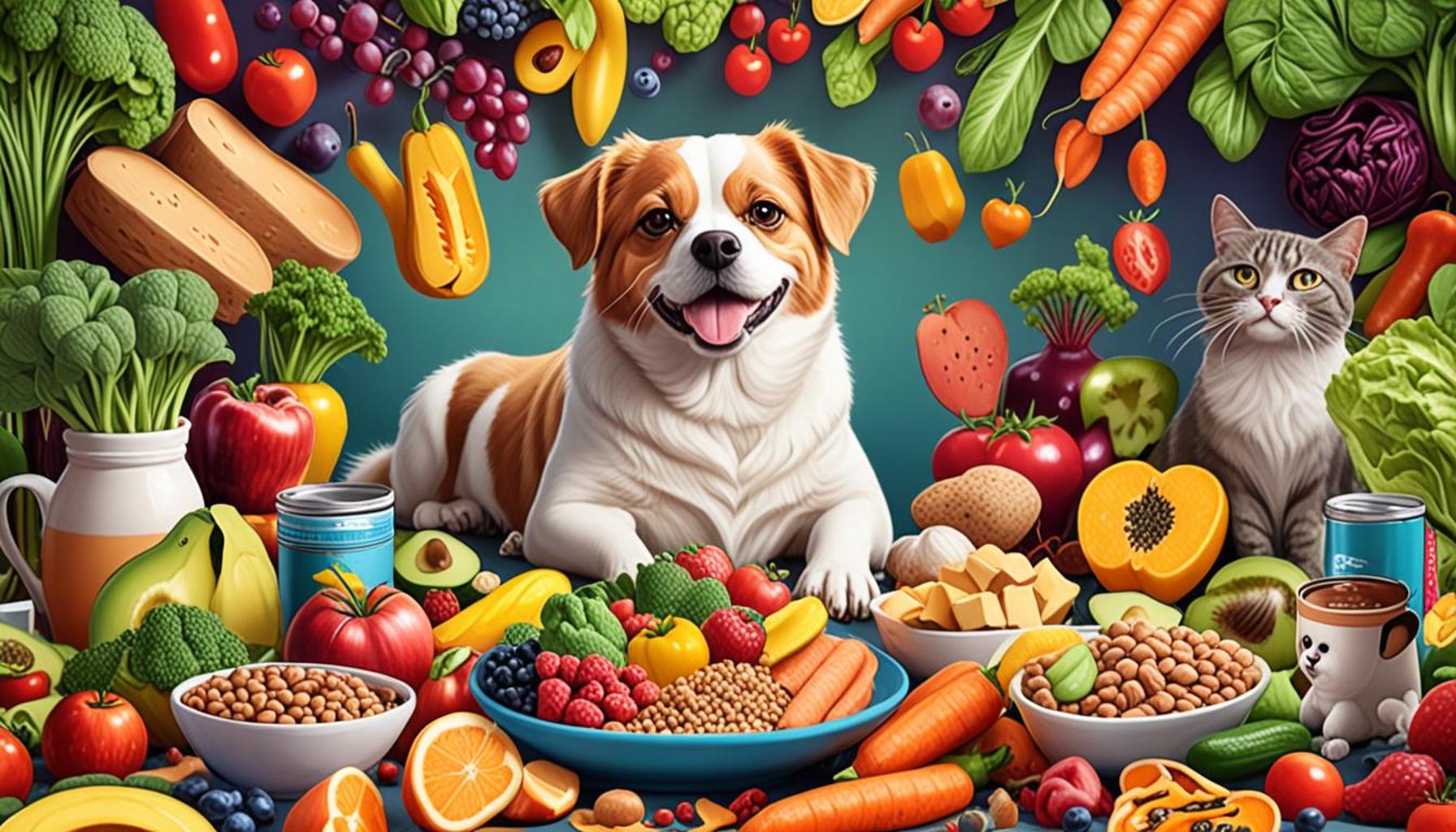
Understanding Your Pet’s Nutritional Needs
A nutritious diet is a cornerstone of your pet’s overall health and vitality. With numerous food options flooding the market—from kibble and canned diets to raw and homemade meals—it’s easy to feel overwhelmed as a pet owner. However, establishing the right diet involves nuanced understanding of your pet’s specific needs based on species, age, and health status.
Species-Specific Needs: Different animals have unique dietary requirements that cater to their biological and metabolic distinctions. For example, dogs, as omnivores, can thrive on a varied diet including meats, grains, and vegetables, while cats require a diet high in protein and low in carbohydrates due to their status as obligate carnivores. Meanwhile, birds may need seeds, fruits, and vegetables, and reptiles often require live prey or specialized commercial diets. Recognizing these differences is crucial to ensuring your furry or feathery friend thrives.
Age Considerations: Just as humans have different nutritional needs at various life stages, so do pets. For instance, puppies and kittens have much higher caloric and nutrient requirements to support their rapid growth and energy levels compared to adult animals. Nutrient-dense foods formulated for growth, such as those containing DHA for brain development in puppies, are essential for young pets. Conversely, senior pets may benefit from diets lower in calories but rich in fiber and omega fatty acids, to maintain a healthy weight and support joint health.
Health Conditions: Some pets face health challenges that necessitate specialized diets. Animals with food allergies may require hypoallergenic food formulated to eliminate common allergens. Additionally, pets diagnosed with diabetes often need a high-fiber diet to help regulate blood sugar levels, while those with kidney disease might benefit from reduced protein intake to minimize strain on their kidneys. Consulting a veterinarian is critical for developing a tailored nutritional plan that accommodates any prevailing health issues.
Recognizing and adhering to these nutritional guidelines not only assists in the immediate well-being of your pet but can also significantly influence their long-term health outcomes. This journey toward optimal nutrition is ongoing; as your pet ages or develops new health conditions, dietary adjustments will be necessary.
In our upcoming sections, we will explore in-depth nutritional needs for various pets and age groups, offering insightful tips and guidance to enhance your pet’s diet. Staying informed is vital, and by arming yourself with knowledge, you can significantly impact your pet’s quality of life and longevity.
DISCOVER MORE: Click here for essential tips on pet food labeling
Tailoring Nutrition to Your Pet’s Unique Needs
When it comes to healthy eating for pets, understanding the specific needs of different species is vital. Each animal has evolved distinct nutritional requirements that stem from their ancestral diets and biological makeup. For instance, the dietary needs of a dog, which flourished as a scavenger alongside humans, are profoundly different from those of a cat, which has retained its predatory instincts. Learning about these essential differences is key to ensuring that your pet receives the balanced nutrients necessary for optimal health.
Dogs: The Omnivorous Adaptation
Dogs require a well-rounded diet that includes proteins, fats, carbohydrates, vitamins, and minerals. Unlike their feline counterparts, dogs can derive nutrients from various food sources, making their diet more flexible. A well-balanced canine diet might include:
- High-quality proteins: Meats such as chicken, beef, and lamb.
- Whole grains: Brown rice, oats, and barley provide essential carbohydrates.
- Fruits and vegetables: Carrots, blueberries, and spinach offer valuable vitamins and fiber.
It’s crucial, however, to avoid feeding dogs toxic foods such as chocolate, grapes, and onions, which can cause serious health issues. Additionally, regularly consulting with a veterinarian can help you determine the right diet based on your dog’s age, size, and activity level.
Cats: The Obligate Carnivores
In contrast, cats are obligate carnivores, meaning their bodies are designed to thrive on a diet primarily made up of meat. This unique feeding requirement underscores the importance of providing protein-rich foods. Essential components for a cat’s diet include:
- Animal proteins: Ingredients like chicken, turkey, and fish should dominate the food.
- Amino acids: Cats require taurine, an essential amino acid found primarily in animal tissues.
- Limited carbohydrates: While some carbs can provide energy, they should not make up a significant portion of a cat’s diet.
Feeding cats a diet that is too high in carbohydrates may lead to obesity and other health problems, emphasizing the need for careful monitoring of food choices.
Small Mammals and Exotic Pets: Diverse Diets
Small mammals like rabbits, guinea pigs, and hamsters also have specific dietary needs. For example, rabbits thrive on high-fiber diets consisting mainly of hay, fresh greens, and limited pellets, while guinea pigs require vitamin C in their diet to prevent deficiencies. For exotic pets such as reptiles, it’s crucial to replicate their natural diets, which may include insects, leafy greens, and specialized commercial feeds based on their species.
In summary, crafting a diet that meets the unique nutritional guidelines for each species is essential for promoting health and longevity. As we navigate the maze of pet nutrition, remember, a well-informed approach can lead your pet to a healthier, happier life. In the following sections, we will examine more specifics regarding age-related dietary adjustments and address common health issues affecting pets today.
| Category | Details |
|---|---|
| Dietary Needs by Species | Understanding that dogs, cats, birds, and small mammals have unique nutritional requirements is crucial for their well-being. Each species requires specific nutrients tailored to their biological needs. |
| Age-Specific Nutrition | <Puppies and kittens require higher protein and energy levels for growth, while older pets need foods rich in antioxidants and fiber to support digestive health and joint mobility. |
| Ingredient Quality | Choosing high-quality ingredients ensures your pet receives nutritional benefits without harmful additives or fillers, enhancing overall health and longevity. |
| Portion Control | Understanding proper portion sizes helps prevent obesity and related health issues, especially in age-advanced pets or those with lower activity levels. |
Incorporating diverse ingredients based on pet requirements and ages not only promotes a well-rounded diet but also boosts immune function, enhancing your pet’s quality of life. Pet owners are encouraged to consult with veterinary professionals when developing nutrition plans tailored to their animals for optimal health benefits. By recognizing signs of dietary deficiency, owners can better approach nutritional choices, fostering a balanced diet that accommodates the ever-changing needs of their beloved companions. Understanding the nuances of pet nutrition empowers owners to make informed decisions, thus ensuring their pets lead happy, healthy lives.
DISCOVER MORE: Click here to learn about training techniques
Age and Dietary Needs: Adapting Nutrition Throughout Your Pet’s Life
As pets age, their nutritional needs evolve significantly. Just like humans, animals go through various life stages that require careful dietary adjustments to ensure they maintain their health and vitality. Understanding these critical phases can help pet owners tailor their feeding strategies effectively.
Puppies and Kittens: Building Blocks of Life
Puppies and kittens present unique challenges regarding diet as they undergo rapid growth and development. These young animals require food that is not only rich in high-quality proteins but also packed with essential vitamins and minerals. Special puppy or kitten formulæ are available and are specifically designed to offer:
- Increased caloric content: Growing pets need more energy than adults.
- Balanced calcium and phosphorous ratios: To ensure healthy bone development.
- Essential fatty acids: Important for brain development and healthy skin.
Moreover, feeding schedules play a crucial role during this stage. Puppies and kittens require multiple small meals throughout the day to support their energy needs—typically three to four meals until they are about six months old. Regularly consulting a veterinarian can guide you in selecting appropriate formulations that cater to your pet’s breed and size.
Adult Pets: Maintenance and Well-Being
In the adult stage, pets have reached their optimal weight and energy levels, necessitating a shift in their dietary focus. A balanced diet for adult pets aims to maintain weight and overall health, often including:
- Moderate protein levels: Protein sources should still be high-quality but less in quantity compared to growth stages.
- Appropriate fat content: Adapt to the activity level and lifestyle of the pet; active pets may need higher fat.
- Fiber-rich ingredients: To promote digestive health and satiety.
It is also important to consider factors such as lifestyle, breed tendencies, and potential health issues when selecting adult pet food. Regular veterinary check-ups can help identify any adjustments necessary for maintaining ideal body weight and health.
Senior Pets: Special Considerations for Aging Companions
As pets enter their golden years, their nutritional needs change dramatically. Senior pets are often less active and may face certain health challenges, such as arthritis or dental issues. Consequently, their diet should address these concerns by providing:
- Lower calorie counts: To avoid obesity while ensuring nutrient density.
- Joint-supporting ingredients: Supplements like glucosamine and omega fatty acids can aid mobility.
- Soft, easily digestible foods: To accommodate decreased oral health and digestive efficiency.
Tailoring nutrition for senior pets not only helps manage their physical health but can also enhance their quality of life, promoting vitality and well-being into their elder years.
Ultimately, navigating the complexities of pet nutrition at various life stages is pivotal to ensuring long, healthy lives for our beloved companions. Each stage presents unique challenges and opportunities, encouraging pet owners to remain proactive in their pets’ dietary management.
LEARN MORE: Click here to discover the benefits of socialization for pets
Conclusion: Prioritizing Your Pet’s Nutrition for a Healthier Life
In summary, healthy eating for pets is a multifaceted journey that demands attention, understanding, and adaptability. From the energetic stages of puppies and kittens to the balanced diet needs of adult pets, and ultimately to the special considerations necessary for senior companions, each phase of your pet’s life comes with distinct nutritional requirements. Recognizing these changes allows pet owners to make informed decisions that promote longevity and vitality.
It’s crucial to consider individual factors such as breed, size, lifestyle, and health concerns, as well as maintaining open communication with a veterinarian who can guide dietary choices tailored to your pet’s unique needs. Investing in a well-rounded diet not only supports physical health but also fosters emotional well-being, ensuring that your furry friends remain active and engaged throughout their lives.
As we continue to uncover the science behind pet nutrition, we encourage pet owners to explore high-quality, species-appropriate foods and stay current with evolving best practices in pet care. By prioritizing a nutritionally balanced diet adapted to their age, you not only pave the way for a healthier life but also deepen the bond you share with your pet. After all, their joy and vitality are a reflection of the love and care we invest in them.