How to Build a Vertical Vegetable Garden: Creative Solutions for Limited Spaces
Understanding Vertical Vegetable Gardens
In urban environments characterized by limited space and fast-paced lifestyles, the challenge of growing your own food can appear overwhelming. However, innovative solutions like vertical vegetable gardens offer a unique opportunity to cultivate fresh produce while maximizing minimal space. These gardens utilize vertical growing techniques, allowing urban dwellers to create lush greenery and produce in areas otherwise deemed unsuitable for traditional gardening.
Benefits of Vertical Gardening
The practicality of vertical gardening goes beyond aesthetics. It provides multiple advantages:
- Optimized space: Vertical gardening encourages the use of walls, fences, or balconies to support plant growth. For instance, a standard balcony can host an array of plants by stacking planters or utilizing wall-mounted systems, turning otherwise underutilized areas into vibrant green spaces.
- Improved air circulation: By elevating plants off the ground, vertical gardens allow for better air flow. This increased ventilation can drastically reduce the incidence of pests and diseases, creating a healthier garden. This aspect is particularly beneficial in densely populated cities where humidity and closed environments often lead to mold and mildew.
- Accessibility: Maintenance and harvesting become more manageable as plants are positioned at eye level. This can make gardening a more enjoyable experience, particularly for individuals with mobility issues or those who may find bending and kneeling to be challenging.
Creative Vertical Gardening Solutions
Regardless of whether you have a cozy apartment or a small backyard, the creative uses of vertical gardening are limited only by your imagination. Here are essential components that can help you maximize your green space:
- Vertical planters: These multi-tiered structures not only create a stunning visual display but also allow for a variety of plants, from strawberries to leafy greens, in a condensed footprint. For example, a three-tier planter can fit neatly against a wall, facilitating a diverse harvest.
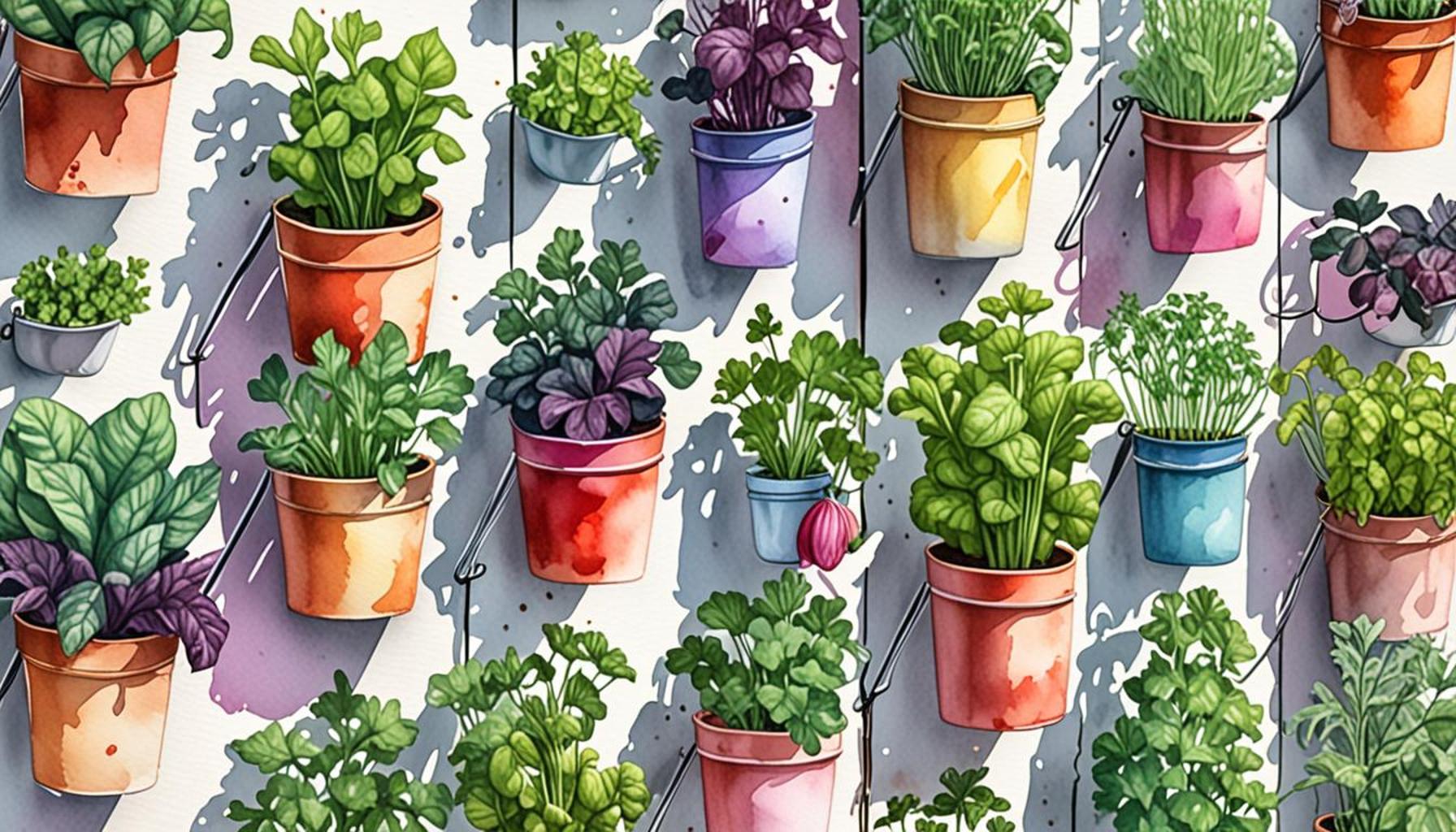
- Hanging containers: Ideal for growing herbs and small vegetables, hanging pots can be suspended from balconies or ceiling hooks, turning empty airspace into productive growing areas. Imagine harvesting fresh basil or thyme right outside your kitchen window!
- Wall-mounted systems: Utilizing methods such as trellises, you can train climbing plants like tomatoes or cucumbers to grow upwards, effectively transforming walls into productive green canvases that can yield delicious fruits.
The desire for locally grown food continues to gain momentum across the United States, driven by health consciousness and a longing for connection to the source of our meals. Embracing vertical gardening not only allows for personal engagement with your living space but also contributes to a sustainable and enriched environment. Open your doors to the world of vertical gardening, where even the smallest of spaces can flourish with the bounty of delightful homegrown vegetables.
DISCOVER MORE: Click here to learn about container gardening
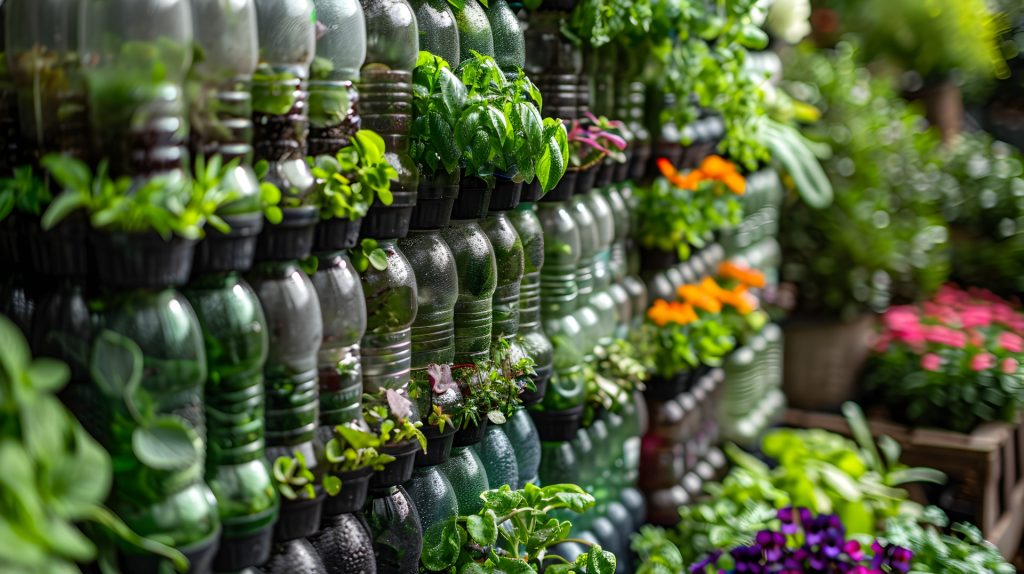
Getting Started with Vertical Gardening
Building a vertical vegetable garden is not only a fascinating project but also an incredible opportunity to engage with nature and enjoy fresh produce right at your fingertips. The initial steps to creating your vertical garden can set the foundation for a successful and productive growing experience. Here’s a detailed guide to navigating this journey.
Choosing the Right Location
The location of your vertical garden greatly impacts its success. Look for areas that receive adequate sunlight—ideally, at least six hours of direct sunlight per day—since most vegetables thrive in bright conditions. Some popular locations include:
- Balconies: Utilize the space on your balcony by installing wall planters or hanging pots to maximize exposure to sunlight.
- Fences: A sturdy fence can serve as a great backbone for climbing plants. Optimize this structure by strategically placing trellises or vertical grids.
- Indoor Spaces: Indoor vertical gardens can flourish in sunny windows, making herbs and small vegetables accessible even in urban apartments.
Selecting the Right Vegetables
When it comes to choosing vegetables for your vertical garden, consider those that thrive in limited spaces and can adapt well to climbing or hanging. Some excellent options include:
- Green Beans: This climber quickly grows up trellises and provides a bountiful harvest.
- Cucumbers: Allow these fruits to climb alongside your support structure, yielding refreshing produce for salads.
- Tomatoes: Small determinate or cherry tomato varieties are ideal for vertical systems, providing delicious results without overwhelming your space.
- Leafy Greens: Lettuces, spinach, and kale can be harvested frequently and do well in tiered planters.
- Herbs: Don’t forget your culinary staples! Basil, oregano, and parsley thrive in vertical settings and are perfect for adding flavor to your dishes.
Designing Your Vertical Garden
Once you’ve selected the ideal location and vegetable varieties, it’s time to design your vertical garden. Be mindful of the following:
- Support Structures: Whether using a trellis, a vertical frame, or repurposed crates, ensure that these supports can withstand the weight of mature plants.
- Watering Systems: Consider implementing a drip irrigation system for efficiency. Vertical gardens can dry out quicker than traditional gardens, so consistent moisture is vital.
- Soil Quality: Use a lightweight potting mix enriched with compost to provide essential nutrients while preventing soil compaction.
Embracing the methodical steps of planning, planting, and maintaining your vertical vegetable garden presents a rewarding experience. As you take the plunge into this green venture, you might find that even the tiniest of spaces can yield great bounty and spark joy in your daily life.
Exploring Vertical Gardening Techniques
When considering how to build a vertical vegetable garden, understanding the various techniques is crucial. Vertical gardening is not just about maximizing space; it’s also an opportunity to employ innovative methods that enhance your gardening experience. Here are some popular techniques you might explore:
Wire Mesh and Trellis Systems
Using wire mesh or trellis systems allows you to train your plants to grow upwards. This method is particularly effective for climbing vegetables like tomatoes, cucumbers, and beans. The structure can be easily constructed using readily available materials, and it offers excellent support while promoting good air circulation around the plants. Additionally, integrating drip irrigation systems into your trellising can significantly improve hydration without occupying ground space.
Stacked Planters
Stacked planter systems are another creative solution for limited spaces. These vertical spaces utilize multi-tiered towers or pots to create a striking display while providing ample growing room for herbs and small vegetables. Systems like EarthBox® and DIY PVC planters can save space dramatically and help manage watering efficiently. Notably, herbs such as basil and mint thrive in these environments, where they can spread out and access sunlight without competing with larger plants.
Pallet Gardens
Recycling wooden pallets can be an interesting and eco-friendly approach to vertical gardening. By filling pallets with soil and securing them vertically against a fence or wall, you can create a charming and rustic garden feature. This structure is ideal for a variety of crops, from leafy greens to strawberries. It’s essential to use food-safe pallets to ensure the safety of edible plants. Pallet gardens not only save space but also allow for effective drainage and access to sunlit areas.
Window Boxes
Window boxes are an excellent option for urban settings, providing an opportunity to grow vegetables right outside your window or on your balcony. With careful selection of fast-growing vegetables, such as radishes and lettuce, you can maximize yield in compact areas. Arrange the planters vertically to increase growing capacity while enhancing the aesthetic appeal of your home. Integrating self-watering features can alleviate the daily task of watering, ensuring your plants flourish even in dry spells.With these methods in mind, it becomes clear that vertical gardening offers diverse possibilities for maximizing limited space while cultivating a vibrant vegetable garden. By combining creativity with functionality, you can produce a bountiful harvest while enjoying the beauty of lush greenery in your living environment. Exploring each option will help you find the techniques that best suit your space and gardening goals.
| Vertical Gardening Technique | Key Benefits |
|---|---|
| Trellis Systems | Maximizes space and supports climbing plants. |
| Stacked Planters | Eco-friendly; allows diverse growing options. |
| Pallet Gardens | Creative use of upcycled materials; aesthetic appeal. |
| Window Boxes | Convenient for urban spaces; enhances home decor. |
DISCOVER MORE: Click here to enhance your outdoor experience
Maintaining Your Vertical Garden for Optimal Growth
Creating a vertical vegetable garden is just the first step; ensuring its ongoing health and productivity is equally important. Regular maintenance helps sustain plant vigor, promote growth, and ultimately results in a bountiful harvest. Let’s dive into some essential care tips that every vertical gardener should consider.
Watering Wisely
Since vertical gardens are often elevated or in containers, moisture retention can be a challenge. Watering consistently and evenly is crucial. Here are some effective watering strategies:
- Frequency: Check soil moisture regularly. Depending on your climate, you may need to water your vertical garden daily, especially during the hotter months. Early mornings or late afternoons are the best times.
- Drip Irrigation: As previously mentioned, installing a drip irrigation system can efficiently deliver water directly to the roots while minimizing evaporation. This method is both time-saving and resource-effective.
- Self-Watering Planters: These planters come equipped with reservoirs that supply water to plants as needed, providing an ideal solution for busy gardeners.
Pest and Disease Management
With vertical gardening, pests may often be less of an issue than in conventional gardens due to reduced ground-level exposure. However, vigilance is still necessary. Be on the lookout for common pests like aphids, spider mites, and whiteflies. Here are some methods to keep your plants protected:
- Natural Deterrents: Use insecticidal soaps or neem oil to deter pests while being gentle on beneficial insects.
- Companion Planting: Some plants can act as natural pest repellents—such as marigolds or basil—which could easily thrive alongside your vegetables, enhancing both yield and health.
- Regular Inspections: Regularly inspecting your plants allows you to catch any infestations early, preventing widespread damage.
Fertilizing for Success
To keep your vertical garden thriving, proper nutrition is key. The use of fertilizers can significantly enhance growth and fruiting. Here’s how to effectively nourish your garden:
- Organic Fertilizers: Choose slow-release organic fertilizers or compost teas that provide vital nutrients without chemical runoff.
- Seasonal Feedings: Following a schedule to feed your plants—especially before fruiting stages—ensures they receive essential nutrients when they are most needed.
- Soil Testing: Periodically testing your soil can help you identify nutrient deficiencies and amend them appropriately.
Seasonal Considerations
Vertical gardening spans across all seasons, but each demands specific attention:
- Spring Growth: This season is ideal for planting your favorite vegetables. Ensure you’re prepared by starting seeds indoors if necessary.
- Summer Care: Expect rapid growth and water consumption; keep an eye on heat and provide shade if needed.
- Fall Preparation: Plan for a late-season harvest, and consider planting cold-tolerant varieties to extend your production.
- Winter Strategies: If temperatures drop significantly, create a protective cover or transition your garden indoors to safeguard against frost.
By focusing on these maintenance strategies, your vertical vegetable garden will not only survive but thrive. Engaging with this green endeavor can lead to delicious, home-grown produce all year round, elevating your culinary experiences and enriching your living space with vibrant life.
DISCOVER MORE: Click here to learn about soil and drainage selection
Final Thoughts on Your Vertical Vegetable Journey
Building a vertical vegetable garden is not just a practical solution for limited spaces, but also a creative expression of one’s passion for gardening. As urban dwellers increasingly seek innovative ways to incorporate greenery into their lives, vertical gardens emerge as a powerful tool for sustainable living. With the right planning and care, these compact gardens can transform small balconies, patios, or even indoor nooks into thriving ecosystems.
As discussed, effective maintenance plays a crucial role in maximizing the potential of your vertical garden. From implementing efficient watering systems to fostering a healthy nutrient-rich environment, each step is essential for the success of your home-grown produce. Remember to stay proactive about pest management and seasonal adjustments to keep your plants strong and fruitful.
Moreover, exploring different vertical gardening methods—such as using wall-mounted systems, trellises, or repurposed materials—can add both charm and functionality to your green space. Each choice reflects your personal style and the unique dynamics of your living area. As you embark on this green endeavor, let your creativity guide not just what you plant, but how you choose to showcase it.
In conclusion, a vertical vegetable garden offers an enriching experience that not only produces fresh, delicious vegetables but also fosters a deeper connection with nature. Whether you’re an experienced gardener or a novice, diving into this rewarding venture can lead to a greater appreciation for the environment and an enriching culinary journey. So grab your tools, explore new techniques, and watch your vertical garden flourish, no matter how limited your space may be.