How to Choose Organic Seeds Adapted to Your Climate
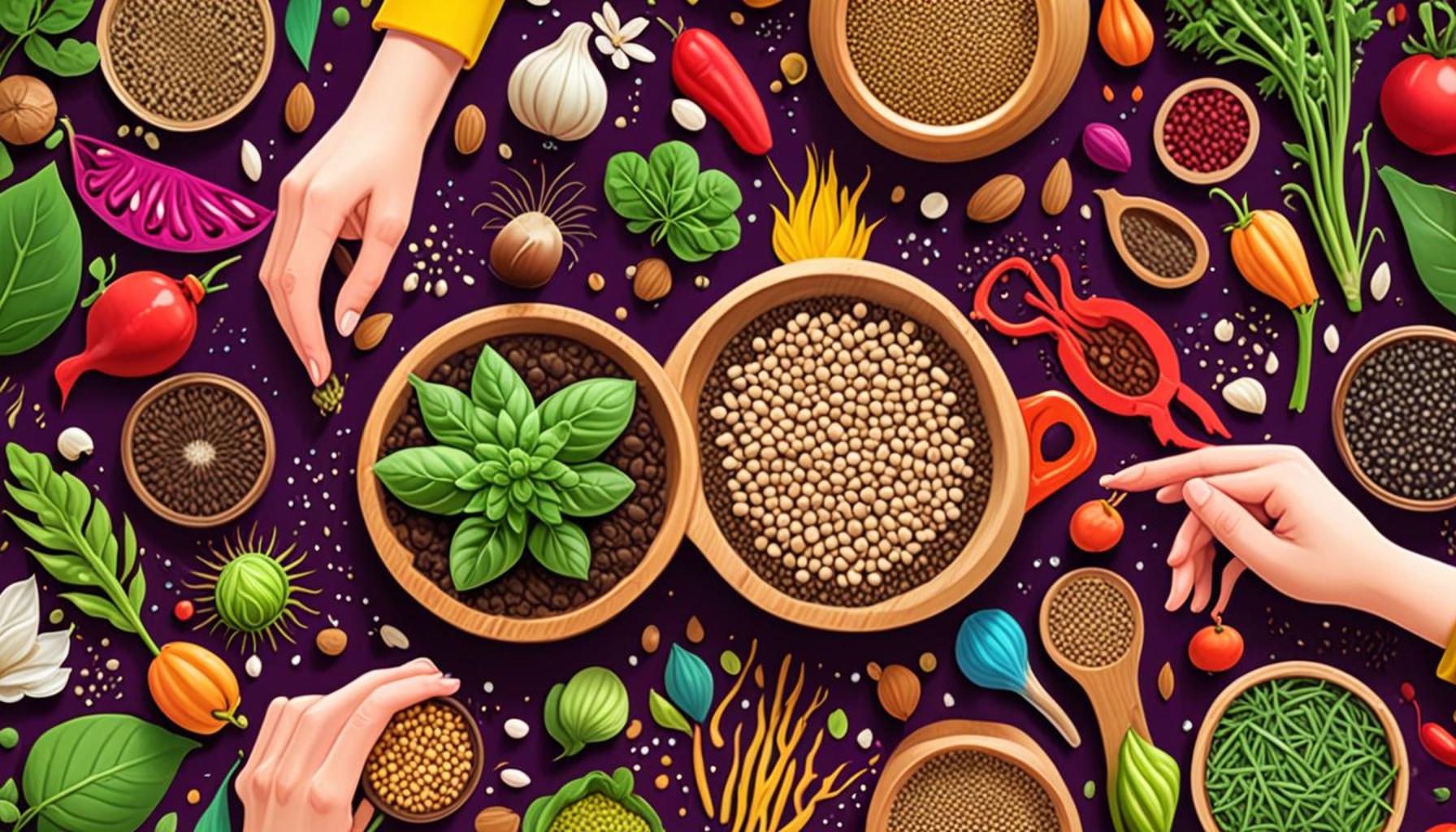
Navigating Seed Selection for Organic Gardening Success
In the pursuit of thriving organic gardens, a fundamental step lies in the careful selection of organic seeds that flourish in your specific climate. The United States offers an array of unique climate zones, from the chilly Northeast to the humid Southeast and the arid Southwest. Understanding your local environmental conditions is crucial for ensuring your plants not only survive but thrive. This guide delves into the pivotal factors that influence seed selection and provides insight into the benefits of choosing seeds well-suited to your region.
Factors Influencing Seed Selection
The journey to successful organic gardening starts with evaluating key factors that affect seed selection:
- Climate Zone: Knowledge of your USDA Hardiness Zone is vital. This system divides regions based on their climate, specifically minimum winter temperatures. For instance, a gardener in Zone 5a, such as parts of Illinois, should choose seeds that can withstand colder winters compared to a Zone 9 gardener in southern California, where the winters are mild and frost is rare.
- Soil Type: The type of soil in your garden can significantly influence the growth of your plants. Whether you have sandy, clay, or loamy soil affects drainage and nutrient availability. Testing your soil’s pH level can guide you toward selecting seeds that prefer acidic, neutral, or alkaline conditions, ensuring better root development and nutrient uptake.
- Temperature: Understanding the average temperatures during the growing season is crucial. Certain seeds, like tomatoes and peppers, thrive in warm temperatures and require a long growing season, while others, like kale and peas, favor cooler weather. Knowing the average last frost date in spring and first frost date in fall for your area helps in planning your planting schedule effectively.
These factors can dramatically shift even within the same state, as microclimates—specific climatic conditions in small geographical areas—can influence plant health and growth. For example, coastal regions may benefit from milder temperatures and increased humidity compared to inland areas.
Benefits of Choosing Adapted Seeds
Opting for seeds that are particularly adapted to your climate presents several distinct advantages:
- Improved Yield: Plants that are grown from organic seeds suited to local conditions typically exhibit increased vigor and productivity. This can translate to larger harvests, making your gardening efforts more rewarding.
- Pest Resistance: Local seed varieties often have better resistance to region-specific pests and diseases. For instance, heirloom varieties that have been cultivated for generations in certain areas may possess natural defenses against pests that commonly afflict nearby gardens.
- Better Adaptation: Adapted seeds are generally more resilient to the environmental stresses common in your area, such as droughts or temperature fluctuations. They require less intervention and resources, leading to a more sustainable gardening practice.
Understanding how to choose the right organic seeds is not just a simple decision; it’s a journey that yields rich rewards, culminating in robust, flourishing plants that contribute to a sustainable ecosystem. As you continue to explore the world of organic gardening, this knowledge empowers you to make informed choices that enhance the success of your garden while fostering a deeper connection to the natural world.
DIVE DEEPER: Click here to learn more
Understanding Your Gardening Environment
Before delving into the world of organic seed selection, it’s essential to have a thorough understanding of your gardening environment. Familiarizing yourself with your region’s unique climate characteristics and soil conditions is the first step in ensuring the longevity and prosperity of your plants. This understanding can significantly impact not only which seeds to select but also how to care for them throughout their growth cycle.
Evaluating Climate Conditions
When considering organic seed choices, start by examining a few critical climate conditions:
- Humidity Levels: Different plants have varying humidity requirements. For example, while cucumbers and melons thrive in humid environments, plants such as garlic and lavender prefer dryer conditions. Understanding humidity can not only help you select suitable seeds but can also inform your watering schedule.
- Sunlight Exposure: Assess the amount of sunlight your garden receives throughout the day. Most vegetable plants need at least six hours of full sun, but others, such as lettuce or spinach, can thrive with less. Knowing the sun exposure in your garden can guide you to select seeds that align with these natural light conditions.
- Wind Patterns: Wind can significantly affect plant growth, particularly in areas prone to strong breezes. Shielding plants from wind can enhance growth and yield. If you live in a windy region, consider growing compact varieties or utilizing windbreaks, which will further influence which seeds are most appropriate for your garden.
Additionally, understanding seasonal weather patterns, such as rainfall averages and expected drought periods, is crucial. Selecting seeds based on these conditions ensures you choose plants that are inherently suited to thrive without requiring excessive resources or interventions.
Recognizing Regional Differences
The United States is home to diverse climates that require careful consideration when choosing organic seeds. Knowledge of your specific region’s challenges and benefits can guide you in selecting the right crops. For instance:
- Northern Regions: In states like Maine or Minnesota, gardeners should consider cold-hardy varieties like kale and collard greens that can thrive in shorter growing seasons.
- Midwestern States: Areas such as Illinois or Indiana experience extreme temperature fluctuations, making it advisable to select seeds like corn and beans that can tolerate a diverse range of conditions.
- Southern Climates: In states like Florida and Texas, where heat and humidity dominate, heat-tolerant crops such as okra and sweet potatoes may offer better yields and resilience.
Knowing your specific regional climate and selecting with purpose allows you to embrace a gardening philosophy that aligns with nature rather than fighting against it. A well-chosen variety of organic seeds not only enriches your garden’s productivity but fosters a more sustainable relationship with the local environment.
| Advantages | Key Features |
|---|---|
| Local Adaptation | Seeds that are locally sourced are more resilient to local pests and diseases. |
| Higher Yield Potential | Plants grown from climate-specific seeds often produce a higher yield than generic varieties. |
| Reduced Environmental Stress | Seeds adapted to the local climate require less water and fertilizers, minimizing ecological impact. |
| Seasonal Compatibility | Understanding your growing season ensures you choose seeds that thrive within optimal temperature ranges. |
When selecting organic seeds, understanding how they respond to your specific climate is imperative for successful gardening. Local adaptation of seeds ensures not only a successful harvest but also contributes towards biodiversity, enhancing the sustainable gardening movement. Investigating seasonal compatibility ensures you plant during the right periods, leading to lush growth while also catering to local ecosystems. With the right organic seeds, you are actually investing in a healthier, more resilient garden that supports the environment and yields delicious produce. Explore the variety available to find the best ones suited for your climate. In this journey, you may uncover numerous types that flourish beautifully in your specific area, elevating your gardening experience.
DISCOVER MORE: Click here to learn about the importance of composting
Choosing the Right Organic Seeds for Your Region
Now that you’ve evaluated your gardening environment and understood your climate conditions, it’s time to focus on selecting the right organic seeds that will thrive in your unique setting. The choices can be overwhelming, but clarifying a few essential factors will help make the process easier and ensure your success as a gardener.
Understanding Seed Varieties
Organic seeds come in a multitude of varieties, each specifically bred for certain climatic conditions and soil types. Familiarity with these seed varieties can significantly enhance your gardening experience:
- Heirloom Seeds: These are traditional seeds passed down through generations, known for their unique flavors and adaptability. Selecting heirloom varieties that have naturally adjusted to your local climate over time can yield crops that are both resilient and flavorful.
- Hybrid Seeds: Although these might combine different species for improved disease resistance or yield, hybrid seeds often lose some of the hardiness seen in heirloom varieties. Ensure you choose hybrids known to perform well in your specific climate.
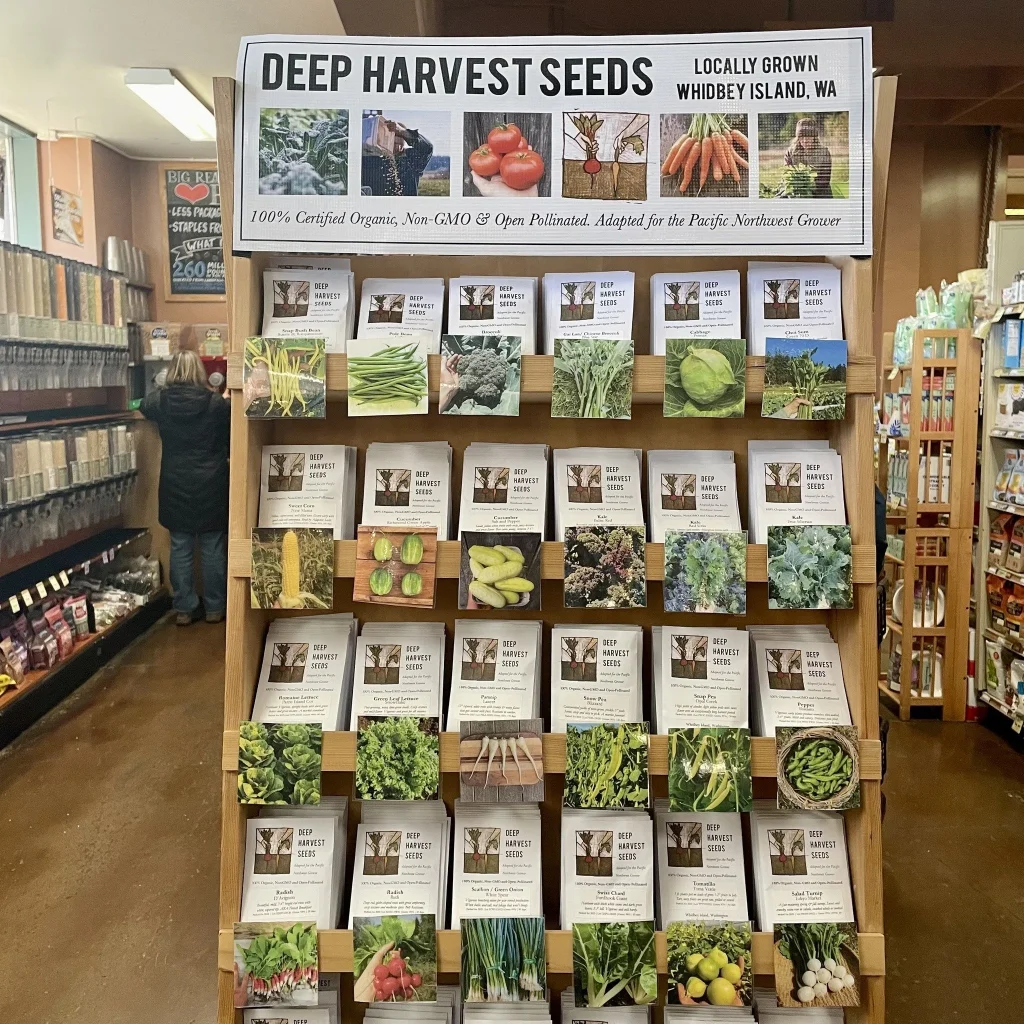
- Open-Pollinated Seeds: These are seeds that remain true to their parent plants. Growing these types supports biodiversity and can lead to strains that better adapt to local conditions through natural selection.
Researching the best seed types for your region can usually be done quickly through local cooperative extension offices or agricultural universities, which often provide resources tailored to local gardeners.
Utilizing Local Resources for Seed Selection
Taking advantage of local resources can dramatically improve your seed selection process. Seed exchanges and gardening clubs offer a wealth of information about which organic seeds perform beautifully in specific areas, and they often share seeds that are well adapted to local conditions. Consider these options:
- Seed Libraries: Many communities have seed libraries that allow local gardeners to borrow seeds. These seeds are typically sourced from local growers, ensuring they are suited for regional gardens.
- Community Garden Networks: Engaging with local gardeners can provide insight into successful plants and techniques that are tried and tested in your area. The experience shared by fellow gardeners can guide you toward the best organic seed choices.
- Local Farmers’ Markets: Visiting your local market can connect you with organic farmers who can advise you on which crops do best in your climate and local soil conditions.
In addition to local sources, online platforms offer a wealth of options as well. Many reputable organic seed companies provide growing guides that detail the best climate conditions for each seed variety, allowing you to make informed choices.
Considering Disease Resistance and Pests
Each region hosts specific pests and diseases, so choosing organically grown seeds that exhibit resistance to these threats can also bolster your success. For example, if you live in an area prone to late blight, selecting organic tomato seeds that have been bred for resistance to this condition will help ensure your plants flourish. Similarly, choosing organic seeds with built-in pest resistance can minimize losses and reduce the need for intervention.
Reviewing seed catalogs and product descriptions with an eye toward disease and pest resistance will help narrow down your options and align your choices with your gardening goals. With the right knowledge and resources at hand, you can confidently select organic seeds that complement your local climate, leading to strong, healthy plants and a rewarding gardening endeavor.
DISCOVER MORE: Click here to start your herb garden journey
Conclusion
Choosing the right organic seeds tailored to your climate is a fundamental step toward achieving a successful and sustainable gardening experience. By understanding the unique characteristics of heirloom, hybrid, and open-pollinated seeds, you can make informed decisions that align with your gardening goals and local environmental conditions. Furthermore, leveraging local resources such as seed libraries, community gardens, and farmers’ markets provides invaluable insights and connections that can guide your seed selection process.
Incorporating factors such as disease resistance and pest adaptability into your choices not only enhances the health and yield of your plants but also contributes to a more resilient ecosystem. Through ongoing research and active participation in local gardening communities, you can access a wealth of knowledge that is both practical and tailored to your specific climate zone.
As you embark on your gardening journey, remember that the seeds you choose are more than just starting points; they are the foundation of your garden dreams. Embrace the nuances of your geographic region, and be willing to experiment with various seed varieties. In doing so, you will foster biodiversity, support local agriculture, and savor the joy of growing your own organic produce. Ultimately, selecting organic seeds adapted to your climate is not just a gardening choice—it’s a commitment to nurturing the environment and cultivating a sustainable future.