Oral Health Guidelines for Pets: The Importance of Dental Hygiene for Dogs and Cats
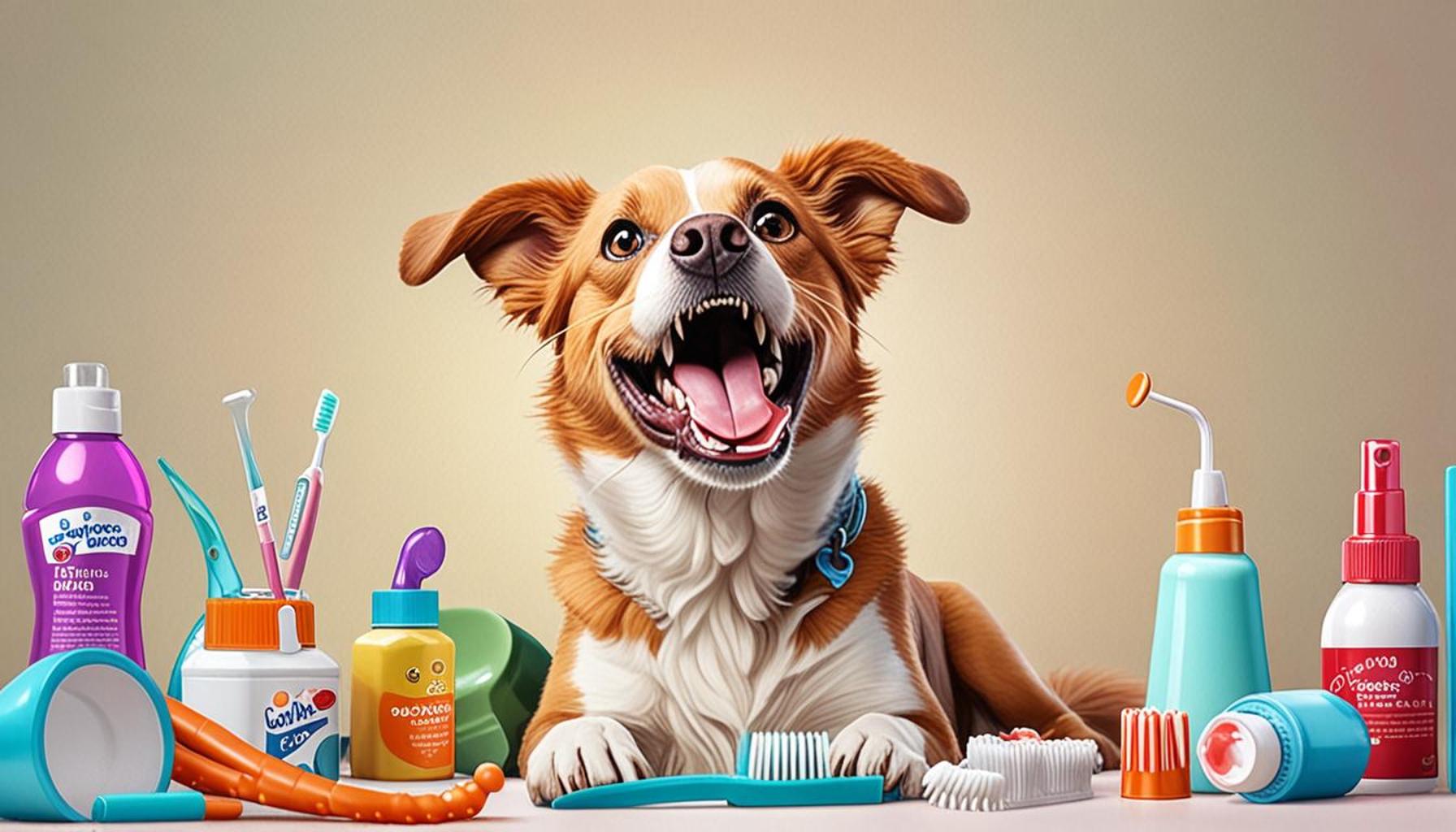
When caring for our pets, dental hygiene plays a pivotal role that often slips under the radar. Just like their human counterparts, dogs and cats face a multitude of dental issues that not only affect their oral health but can also have far-reaching implications for their overall well-being. By embracing effective oral health guidelines for pets, pet owners can significantly enhance the quality and length of their furry friends’ lives.
Why is Dental Hygiene Important?
A robust commitment to pet dental care goes a long way in averting various health complications. Here’s how:
- Bad Breath: Persistent foul odors emanating from your pet’s mouth are not merely bothersome; they often signify the presence of underlying dental disease. Dog and cat parents should pay attention to these signs, which may suggest plaque accumulation or even periodontal illness.
- Periodontal Disease: This widely prevalent condition affects a staggering 80% of dogs and 70% of cats by the age of three. It can result in tooth loss, painful infections, and, if untreated, may even force surgical interventions. Regular cleanings and attention to oral hygiene can avert most of these issues.
- Systemic Health Issues: Bacteria festering in the mouth can infiltrate the bloodstream, leading to dire health complications affecting the heart, liver, and kidneys. Research has even shown that pets with untreated dental disease are at greater risk of developing conditions such as endocarditis, a severe heart infection.
Signs Your Pet Needs Dental Care
Being vigilant for early warning signs of dental distress can facilitate timely intervention:
- Red or Swollen Gums: This condition, often accompanied by bleeding, is a red flag indicating potential periodontal disease.
- Excessive Drooling: While some drooling is normal, a significant increase could be a sign of dental discomfort or disease.
- Avoiding Hard Food or Toys: If your pet suddenly shies away from crunchy treats or toys they usually enjoy, it may be time for a dental check-up.
Investing in preventative care, including regular veterinary check-ups and at-home brushing, can profoundly impact your pet’s life. Moreover, consider dental treats, designed specifically to reduce plaque and tartar buildup, as part of your pet’s routine. Simple habits, such as providing chew toys made of rubber or nylon, can also promote oral health.
As you explore the crucial realm of maintaining your pet’s dental health, remember that forming good dental habits early in your pet’s life will yield its benefits later. Dogs and cats can live happy, pain-free lives when their dental health is prioritized, establishing a foundation for their long-term well-being. Your commitment could make all the difference in ensuring your beloved pets remain vibrant and energetic companions for years to come.
DISCOVER MORE: Click here to find your ideal pet
Establishing a Dental Care Routine
Creating a comprehensive dental care routine for your pets is essential for safeguarding their oral health. Consistency is critical, as pets often require regular exposure to dental care to become comfortable with the process. Here are some practical steps pet owners can take to develop an effective oral hygiene regimen:
- Regular Veterinary Visits: Scheduling annual or biannual dental check-ups with your veterinarian is crucial. These visits not only allow for professional teeth cleaning but also enable early detection of potential dental issues. Vets can assess your pet’s oral health through comprehensive examinations, ensuring that problems are addressed before they escalate.
- Daily Brushing: While it may sound daunting, daily brushing is one of the best ways to maintain your pet’s dental health. Use a toothbrush and toothpaste specifically designed for pets—never use human products, as they can be harmful. Start slowly, allowing your pet to get accustomed to the sensation. Incorporate this activity into your daily routine to help make it a habit.
- Dental Chews and Treats: Incorporating dental chews into your pet’s daily diet can help reduce plaque and tartar buildup. Look for products that have the Veterinary Oral Health Council (VOHC) seal of approval. These treats are specially formulated to encourage chewing, which naturally cleans teeth while your pet enjoys the treat.
- Water Additives: Various water additives can be found in pet supply stores, designed to promote oral health. These products typically contain enzymes that help to reduce plaque and fight bad breath. Simply add them to your pet’s drinking water to introduce another layer of dental care effortlessly.
Understanding the Risks of Neglect
Neglecting your pet’s dental health can lead to compounded problems that affect not only their mouths but their overall health as well. The following concerns are pivotal for pet owners to understand:
- Chronic Pain: Untreated dental issues often result in chronic pain. Pets may not express discomfort the way humans do, but they will exhibit behavioral changes, such as withdrawing from play or being less affectionate. By addressing dental health proactively, you can prevent pain before it becomes severe.
- Costly Treatments: Treating advanced dental disease requires extensive and often expensive veterinary intervention. Procedures such as tooth extractions or surgeries can easily run into hundreds or even thousands of dollars, making preventative care a financially wise decision.
- Quality of Life: Pets with unresolved dental problems may experience a diminished quality of life. They might find it painful to eat, leading to weight loss and lethargy. Therefore, by maintaining a proactive approach to dental hygiene, you ensure that your pets enjoy optimal health and happiness.
Incorporating these oral health guidelines for pets into your routine fosters a healthier, happier life for your beloved dogs and cats. By being proactive about dental care, you not only promise a brighter smile for your furry companions but contribute significantly to their overall well-being, resulting in many joyful years together.
When it comes to maintaining the optimal health of your furry companions, one aspect that is often overlooked is oral hygiene. Just like in humans, dental problems can lead to more severe health issues in dogs and cats. For pet owners, understanding the connection between dental hygiene and overall health is crucial. Regular dental check-ups and cleanings can prevent conditions such as periodontal disease, which is prevalent among pets. This condition can lead to tooth loss and infections that can affect other organs, including the heart and kidneys.
Additionally, many pet owners may not realize that the signs of dental problems are not always obvious. Dogs and cats may not show pain or discomfort until the issue has progressed. Therefore, it is essential to familiarize yourself with the common indicators of oral health issues, such as bad breath, difficulty eating, or noticeable tartar buildup. Establishing a routine that includes regular dental cleanings and at-home care can vastly improve your pet’s quality of life.
Moreover, there are various products available in the market aimed at enhancing your pet’s oral health. From dental chews to water additives, these products can make it easier to incorporate oral hygiene into your pet’s daily routine. Educating yourself and your family about oral health guidelines not only helps in preventing dental issues but also fosters awareness regarding the best practices for maintaining your pets’ overall well-being.
| Advantage Category | Description |
|---|---|
| Preventive Care | Regular dental health checks can help identify potential problems early. |
| Longer Lifespan | Good dental hygiene can contribute to a longer and healthier life for pets. |
Incorporating dental care into your pet’s routine not only proves beneficial for their health but can also save you money on veterinary bills in the long run. Just as humans benefit from regular dental visits, your pet requires the same level of care to maintain their health and happiness.
DIVE DEEPER: Click here to discover the key benefits of regular vet check-ups
Recognizing Signs of Dental Issues
As a responsible pet owner, it is vital to be vigilant about the signs of dental problems in dogs and cats. Awareness of these signs can lead to early intervention, which is key to maintaining your pet’s oral health. Here are some common indicators that your pet may be struggling with dental issues:
- Bad Breath: While pets naturally have a distinct odor, an overpowering smell from their mouth can indicate underlying dental issues such as gum disease or tooth decay. If your pet’s breath has become noticeably worse, this could be a red flag prompting further examination.
- Excessive Drooling: While some drooling is normal, especially for breeds like Bulldogs or Mastiffs, excessive drooling can signal dental pain or an abscessed tooth. Observe any sudden changes in your pet’s drooling habits, as this can point to oral discomfort.
- Difficulty Eating: If your pet refuses to eat or seems to struggle while chewing, it could be due to sore gums or missing teeth. Pay attention to how they handle their food; if you notice a reluctance to chew or favoring one side of the mouth, seek veterinary advice promptly.
- Swollen Gums: Healthy gums should be pink and firm. If you notice redness, swelling, or bleeding, your pet may be suffering from gingivitis or periodontal disease. Regular home inspections of your pet’s mouth can help you catch these symptoms early.
The Role of Nutrition in Oral Health
Nutrition plays a significant role in maintaining your pet’s oral health. A well-balanced diet contributes to stronger teeth and gums, while certain dietary choices can exacerbate dental problems. Here are some tips on how to tailor your pet’s nutrition for optimum dental health:
- High-Quality Pet Food: Opt for high-quality pet food that contains appropriate ingredients for your pet’s age and health needs. Many premium brands incorporate dental health ingredients that can help reduce plaque buildup.
- Raw Bones and Chews: Providing raw bones, under supervision, can promote natural teeth cleaning as pets chew. The natural abrasion helps to scrape away plaque. However, avoid cooked bones, which can splinter and cause serious injuries.
- Adding Fresh Vegetables: Certain vegetables, such as carrots and green beans, can be effective in cleaning your pet’s teeth as they chew. Safe fruits and vegetables can also serve as nutritious snacks without adding harmful sugars.
- Fortified Dental Diets: Some pet foods are specifically formulated to support oral health, using unique kibble shapes or added ingredients to inhibit plaque and tartar formation. Consult your veterinarian about the best options for your pet.
Involving Your Veterinarian in Care Decisions
When it comes to your pet’s dental hygiene, ongoing communication with your veterinarian is invaluable. They can help create a personalized dental care plan tailored specifically to your pet’s needs, considering factors such as age, breed, and existing dental health. Regular discussions with your vet will ensure that you stay informed about any advancements in dental care products or techniques, enabling you to provide the best care possible.
Moreover, by being proactive about your pet’s dental hygiene, you not only protect their teeth and gums but also enhance their overall health and happiness. With the right knowledge and tools, you can make a significant impact on your furry friends’ quality of life.
DISCOVER MORE: Click here to learn about the role of socialization in dog training
Conclusion
In conclusion, maintaining oral health for pets is an essential aspect of responsible pet ownership that often goes overlooked. Just as humans prioritize dental hygiene, our canine and feline companions deserve the same level of care to ensure their well-being. Recognizing the signs of dental issues early can prevent more severe health complications and contribute to a longer, happier life for your pets.
By incorporating a balanced diet rich in essential nutrients and considering veterinary advice, pet owners can become proactive defenders of their furry friends’ oral hygiene. This includes selecting high-quality pet food, providing appropriate chews, and being vigilant about supervised, safe treats that benefit their dental health. It is crucial to understand that just as good nutrition plays a role, so too does regular veterinary checkups, which are instrumental in assessing and maintaining your pet’s dental well-being.
The importance of dental care for dogs and cats cannot be understated; it is a gateway to overall health that influences everything from their behavior to their longevity. Therefore, take the necessary steps to educate yourself and implement a comprehensive dental care routine. By doing so, you not only elevate their quality of life but also forge a deeper bond through compassion and care. Remember, a happy pet is a healthy pet, and good dental hygiene is a crucial component of that happiness. Start today, and watch your pets thrive.