
Positive Reinforcement Techniques for Cat Training
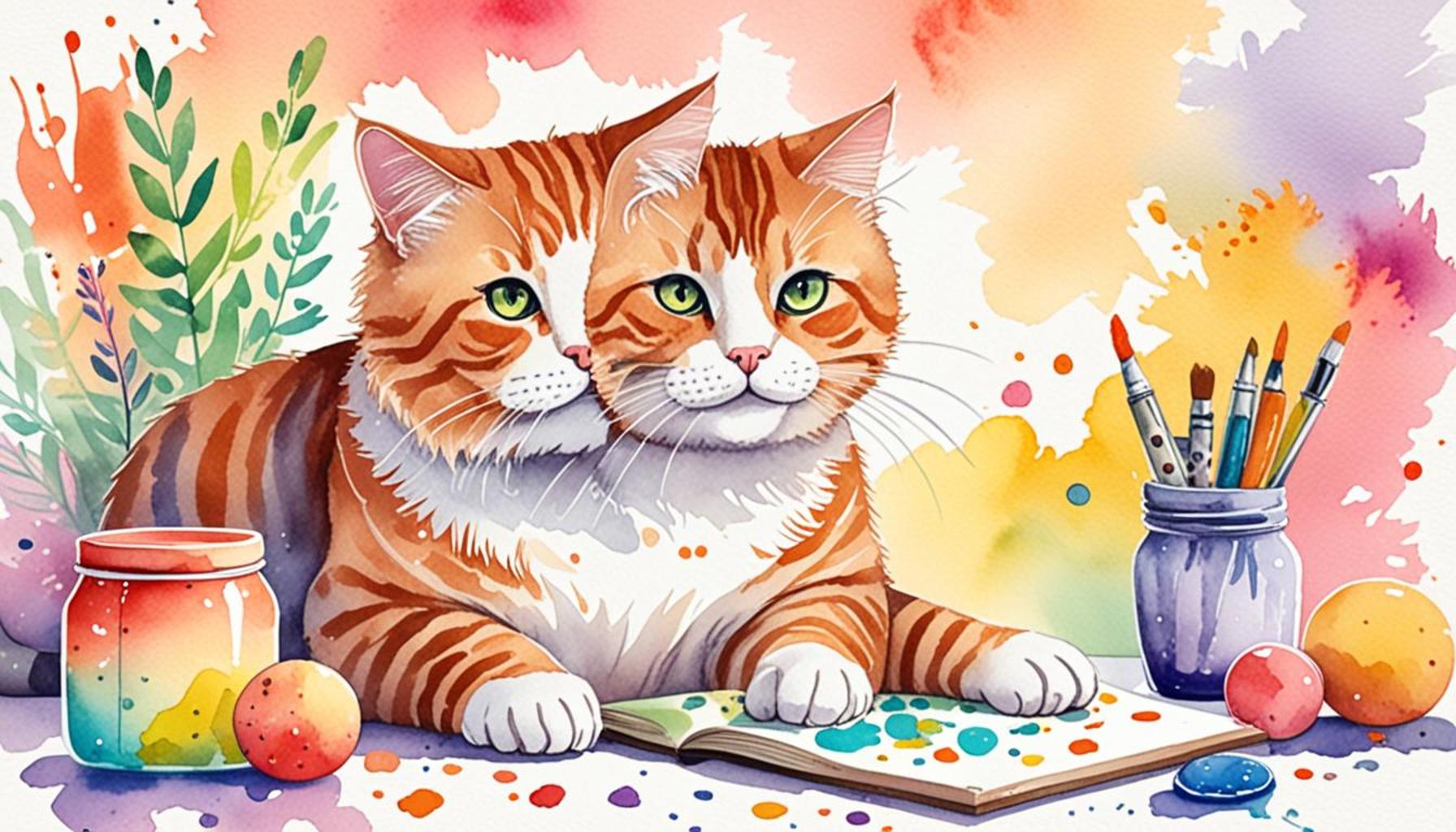
Understanding Positive Reinforcement in Cat Training
Training your feline friend can be a rewarding experience, leading to a well-behaved companion. Positive reinforcement is one of the most effective methods to achieve this. It’s based on rewarding desired behaviors to encourage repetition, making learning enjoyable for both you and your cat.
What is Positive Reinforcement?
Positive reinforcement involves using rewards to strengthen a behavior. Common rewards include:
- Treats: Small, tasty rewards, such as bite-sized pieces of cooked chicken or commercial cat treats, can motivate your cat to perform desired actions. It’s essential to choose treats that your cat loves and to use them sparingly to maintain their interest.
- Praise: Verbal affirmations and physical affection, such as petting or gentle scratches behind the ears, can reinforce good behavior. Cats often respond positively to a soothing voice and affectionate touches, connecting these actions to the behaviors you want to encourage.
- Playtime: Engaging your cat in their favorite activities, like a game of chase with a feather toy or a laser pointer, serves as a powerful reward. This not only reinforces the behavior but also helps satisfy your cat’s natural hunting instincts.
By focusing on what your cat does well, you create a positive environment that encourages learning. Research indicates that cats thrive in settings that promote confidence and minimize anxiety. This method diverges from traditional techniques that often employ punishment, steering clear of negative associations.
Benefits of Positive Reinforcement
The advantages of adopting positive reinforcement strategies extend beyond achieving basic commands. For instance:
- Builds Trust: Engaging in positive reinforcement fosters a mutual sense of trust, enriching the bond between you and your cat. A trusting cat is more likely to seek companionship and interaction.
- Encourages Exploration: When your cat is rewarded for exploring new toys or environments, they become bolder and more inquisitive, allowing them to discover new interests and engage in healthier play behaviors.
- Minimizes Stress: Using a positive approach reduces the likelihood of fear-based responses common in traditional training. Ultimately, this leads to a happier, well-adjusted pet that feels comfortable in their home environment.
As you dive deeper into positive reinforcement techniques, you’ll uncover various strategies tailored to your cat’s unique personality. For example, some cats may respond better to clicker training, where a distinct sound marks a desired behavior, immediately followed by a reward. With patience and understanding, you’ll guide your furry companion toward becoming the ideal housemate, and certainly, life with a well-trained cat becomes much more fulfilling. The secrets to successful cat training are truly within your grasp, inviting you to embark on this enlightening journey filled with joy and companionship.
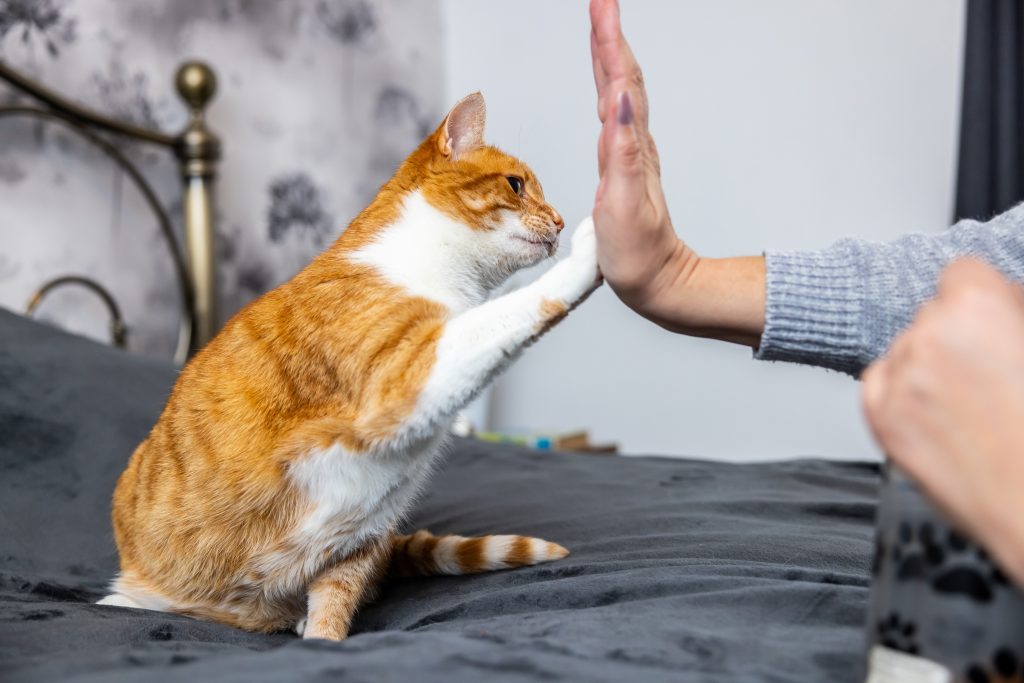
DON’T MISS OUT: Click here for essential tips
Effective Techniques for Positive Reinforcement
Implementing positive reinforcement in your cat training routine can transform the ordinary into the extraordinary. Cats, known for their independent and sometimes aloof nature, can thrive under this approach, resulting in a more engaged and interactive pet. Here are some practical techniques that can help you effectively apply positive reinforcement with your feline companion:
Clicker Training
One of the most popular methods for utilizing positive reinforcement is through clicker training. This technique employs a small handheld device that makes a distinct clicking sound. The click serves as an immediate marker for the desired behavior, which is then followed by a reward. Here’s how to get started:
- Introduce the Clicker: Begin by clicking the device and giving your cat a treat immediately afterward. Repeat this several times until your cat associates the sound with a reward.
- Choose Behaviors to Target: Focus on specific actions you want to reinforce, such as sitting, coming to you, or using the litter box.
- Consistency is Key: Consistently click and reward when your cat performs the desired behavior. Over time, you can reduce the frequency of treats while maintaining the clicker sound.
This technique can not only teach basic commands but can also aid in more complex tricks, making it an excellent choice for interactive training sessions.
Setting Up a Training Environment
Creating an optimal environment plays a crucial role in the success of positive reinforcement techniques. Here are some steps to establish a conducive training atmosphere:
- Minimize Distractions: Choose a quiet space where your cat feels secure, away from loud noises or other pets that might interrupt the focus.
- Time it Right: Schedule training sessions when your cat is naturally alert and energetic. Early morning or after a nap can be ideal times.
- Keep Sessions Short: Limit training to about 5-10 minutes to maintain your cat’s interest. If your cat seems to lose focus, it’s better to end on a high note and come back to training later.
By carefully designing your training atmosphere, you can enhance your cat’s ability to learn and engage, encouraging them to respond enthusiastically to your efforts.
Gradual Reward System
Not all cats will immediately grasp commands or expected behaviors, which is why implementing a gradual reward system can be highly effective. Begin with small, achievable goals and progressively raise the bar. For example, if you’re teaching your cat to use a scratching post, start by rewarding them for simply approaching it. Gradually, you can require them to touch or scratch it before delivering a treat.
This method prevents your cat from becoming overwhelmed and promotes an incremental learning process, allowing them to build confidence as they master new skills. By nurturing their success through positive reinforcement, you pave the way for deeper behavioral changes and a happy, cooperative feline friend.
| Advantage | Description |
|---|---|
| Encourages Desired Behavior | Using treats and praise amplifies positive actions, leading to a well-behaved feline. |
| Strengthens Bond | Engaging in positive reinforcement builds trust and affection between owner and cat. |
| Reduces Fear | This method minimizes anxiety, making training sessions enjoyable and stress-free. |
| Short Training Sessions | Cats have short attention spans, and positive reinforcement techniques allow for quick learning. |
The Positive Reinforcement Techniques for Cat Training facilitate an environment where cats feel secure and motivated to learn. Unlike punitive methods, which can damage the cat-owner relationship, these techniques reward good behavior, enhancing the overall training experience. The act of rewarding your cat not only leads to effective learning but also paves the way for a deeper emotional connection, essential for any pet parent. This strong bond translates into an eagerness to please, making your cat more receptive to future commands. Implementing short and engaging training sessions encourages better concentration, optimizing the learning process. Moreover, when your cat associates training with fun and rewards, it fosters an eagerness to participate. By utilizing these strategies, you are not simply training your cat; you’re enriching its life and nurturing a loving relationship. Exploring these positive reinforcement techniques further will reveal their myriad benefits, transforming not only your cat’s behavior but also your interactions with it.
DISCOVER MORE: Click here to learn how to keep your senior pet healthy and happy
Integrating Positive Reinforcement into Daily Life
To enhance the effectiveness of positive reinforcement techniques in cat training, it is essential to integrate these practices into everyday interactions with your cat. This approach creates an environment where your cat feels rewarded for desired behaviors naturally and regularly. Here are some methods to incorporate positive reinforcement into your daily routine:
Utilizing Everyday Rewards
Instead of reserving treats solely for training sessions, utilize everyday rewards to reinforce good behavior throughout the day. These rewards can include affection, toys, or meal times. For example, if your cat uses their scratching post instead of the sofa, you can reward that behavior with praise or a short play session. This principle is particularly valuable for deeply ingraining good habits into your cat’s routine.
- Praise and Affection: Never underestimate the power of a kind word or gentle petting. Verbal affirmations like “good kitty” combined with physical affection can strengthen your bond and encourage positive behavior.
- Playtime as a Reward: Incorporating play into your reward system can make training sessions more enjoyable. Use your cat’s favorite toy as a reward for a desired behavior, such as sitting or coming when called.
This method transforms the idea of rewards from mere food treats into a broader spectrum of positive interactions that strengthen your bond.
Turning Challenging Situations into Training Opportunities
Everyday situations can offer valuable opportunities for training through positive reinforcement. Cats respond well to learning in context, so seize the moment to guide behaviors by making ordinary situations enlightening:
- Desensitization Techniques: If your cat is scared of the vacuum cleaner, you can introduce it slowly while rewarding calm behavior. Every time your cat stays relaxed or approaches the vacuum, offer treats or praise.
- Behavior Substitution: When your cat jumps on counters, redirect that behavior to an appropriate spot, like a designated cat tree or shelf. Reward them with treats or affection when they choose the right place.
This strategic approach not only helps to defuse problematic behaviors but also makes your cat wiser about acceptable interactions, enhancing their overall training experience.
Providing Control Through Training Choices
Empowering your cat by allowing them to make choices during training can bolster their engagement and enthusiasm. By laser-focusing on making training interactive and fun, your cat can build confidence and stimulate their curiosity:
- Choice of Treats: Offer different types of treats and let your cat decide what they prefer. This helps reinforce positive behaviors while also making them more invested in the training process.
- Variety in Learning Activities: Introduce a variety of skills and commands for your cat to learn, and let them choose what to focus on next. This could range from fetching a toy to learning how to navigate an obstacle course.
By incorporating choice, you not only reinforce desired behavior but also elevate your cat’s level of participation, ultimately fostering a deeper emotional connection between you and your pet.
Patience and Observation
Positive reinforcement is fundamentally about building a trusting relationship with your cat, wherein patience and observation play pivotal roles. Every interaction offers insights into your cat’s personality and preferred methods of learning:
- Understand Their Body Language: By paying attention to your cat’s body language, you can gauge their comfort level during training sessions. Signs of stress or disinterest can prompt you to adjust the training approach, whether it means offering breaks or simplifying tasks.
- Adjusting Techniques to Suit Individual Needs: Each cat learns at its own pace. What works for one may not work for another. Be prepared to modify your techniques, possibly incorporating more or different rewards based on your cat’s preferences.
Through consistent patience and keen observation, you’ll create a rewarding training environment where your cat feels safe and valued, transforming the training experience into one of mutual growth and understanding.
DISCOVER MORE: Click here to find your perfect pet
Conclusion: Unlocking the Potential of Your Feline Friend
In conclusion, employing positive reinforcement techniques for cat training not only nurtures desirable behaviors but also fosters a strong bond between you and your feline companion. As we’ve explored, integrating rewards into daily interactions and turning challenging moments into learning opportunities can transform the training experience into a joyful collaboration. When you use everyday rewards—be it affection, play, or verbal praise—you enhance the training process and embed good habits in your cat’s routine.
Additionally, by offering choices, empowering your cat, and patiently observing their responses, you can tailor your training approach to their unique personality. This individualized strategy ensures that the training remains engaging and effective. The journey of training your cat is more than simply teaching commands—it’s an opportunity to understand their quirks and preferences, leading to a more harmonious household.
As you embark on this rewarding path, remember to keep communication open, both with your cat and yourself. Be prepared to adapt your methods, as every cat has its own learning curve. Through commitment and creativity, you can create an enriching environment that helps your cat flourish, making every aspect of your life together more enriching. Explore the world of positive reinforcement further, and discover the delight that comes from building a responsive and engaging relationship with your beloved pet.