Practical Tips for Caring for Houseplants: Watering, Fertilization, and Pest Control
Understanding Houseplant Care
Engaging in houseplant care is not merely a hobby; it is an art form that can breathe life into your home. As houses in urban spaces often lack natural greenery, houseplants offer an avenue to introduce vibrant colors and textures into your environment. More than aesthetic appeal, studies have shown that houseplants can improve air quality, reduce stress, and enhance overall well-being. According to NASA’s Clean Air Study, specific plants can filter harmful toxins from indoor air, making them vital allies in creating healthier living spaces.
However, as many plant enthusiasts have discovered, the path to nurturing flourishing plants is fraught with challenges. A common hurdle is understanding the nuances of watering. Each plant species has its distinct water needs. For example, succulents and cacti, which are drought-resistant, thrive on minimal moisture, while tropical plants like peace lilies require more consistent hydration. Overwatering can lead to root rot, a problem characterized by brown, mushy roots that usually ends in both plant and gardener despair. On the other hand, underwatering can result in dry, crispy leaves that signal distress. Using moisture meters can be a game changer for enthusiasts, ensuring that watering schedules are precise and tailored to the plants’ needs.
The significance of fertilization cannot be overstated either. Understanding when and how to feed your plants is essential for fostering lush growth. For instance, during the growing season, typically spring and summer for most plants, a balanced, water-soluble fertilizer can provide the necessary nutrients. An interesting example is the use of organic compost, which not only nourishes plants but also supports beneficial microorganisms in the soil, enhancing overall plant health. The rule of thumb is to fertilize every four to six weeks but always refer to the specific plant’s care guide for optimal results.
Pest control is another vital aspect of houseplant maintenance. Identifying common pests like aphids, spider mites, and mealybugs early can save your plants from significant damage. Preventive measures, such as regularly inspecting leaves and introducing natural predators like ladybugs, can keep infestations at bay. Additionally, employing organic pesticides or homemade remedies made from soap and water can effectively fight off pests without introducing harmful chemicals into your home environment.
Whether you are navigating the complexities of succulent hydration or the delicate balance of providing nutrients through fertilization, honing your skills can turn plant care into a rewarding experience. As you begin to understand the unique needs of various plant types—from low-maintenance snake plants to more demanding orchids—you will not only cultivate healthier plants but also nurture a deeper connection with nature.
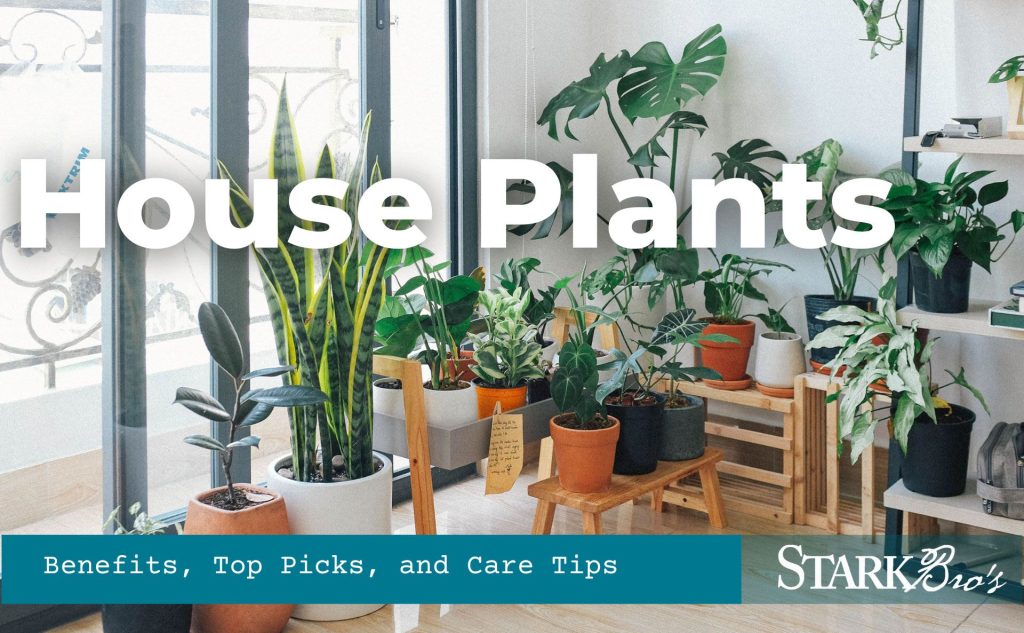
Stay tuned as we embark on a journey to explore the intricacies of practical tips for watering, fertilization techniques, and effective pest management methods. With every piece of knowledge you acquire, you inch closer to becoming an adept houseplant caregiver. Every plant tells a story, and with the right tools and understanding, you’re ready to write a beautiful chapter in your gardening journey.
DISCOVER MORE: Click here for essential irrigation tips
Mastering the Art of Watering
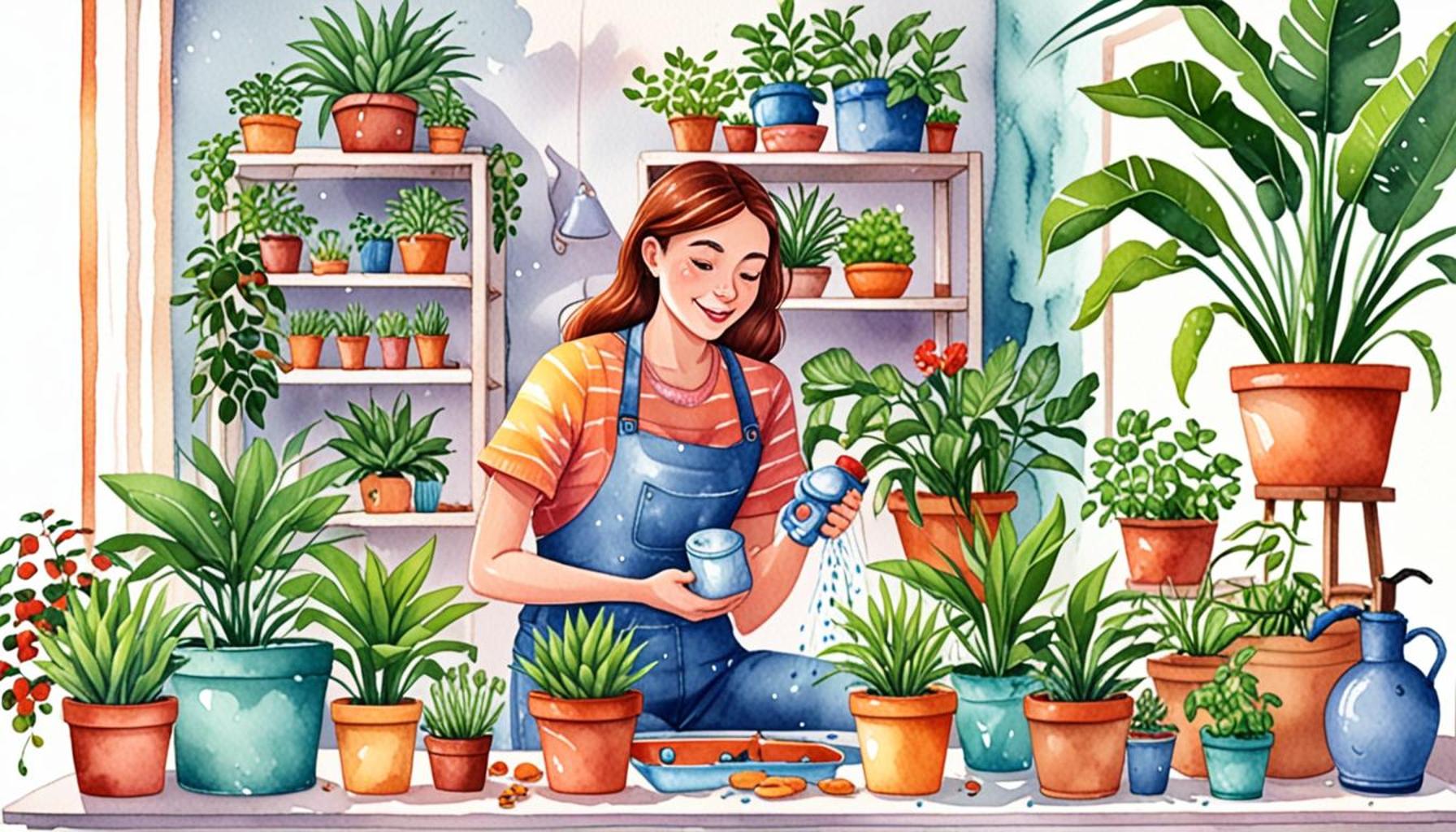
Watering your houseplants may seem straightforward, yet it is one of the key components of successful plant care that demands attention and finesse. Different plants have different hydration needs, making it essential for caregivers to familiarize themselves with each plant species’ particular requirements. Here’s a closer look at some practical tips for ensuring your plants receive the right amount of water.
- Establish a Routine: Creating a watering schedule based on each plant’s specific needs is beneficial. For instance, you may choose to water succulents once every two to three weeks, whereas leafy ferns might thrive with weekly hydration.
- Check Soil Moisture: A surefire method to prevent overwatering or underwatering is to check the top inch of soil with your finger. If it feels dry to the touch, it’s time to water. Conversely, if it feels damp or soggy, wait a few more days.
- Observe the Plants: Plants often exhibit signs when they need water. Yellowing leaves or wilting can signal dehydration, while browning leaves or root rot may indicate too much water. Learning these cues will enhance your ability to respond promptly.
- Water Thoroughly: When the time comes to water, do so deeply and evenly. Ensure water drains from the bottom of the pot, which indicates that the roots are getting the hydration they need.
- Consider Room Conditions: The environmental conditions around your plants can significantly impact their watering needs. Factors such as light, humidity, and temperature should be considered. For example, plants placed near heating vents may require more frequent watering than those in a shaded corner.
Understanding Fertilization Needs
As plants grow, they consume nutrients from the soil, necessitating occasional replenishment through fertilization. In many cases, a well-balanced fertilizer offers the necessary nutrients to encourage growth and flowering. However, understanding the timing and methods of fertilizing can make a significant difference in your plants’ health.
During the growing season, typically from spring to late summer, plants are most active and need nutrients. Here are some vital pointers for ensuring effective fertilization:
- Choose the Right Fertilizer: Opt for a balanced, water-soluble fertilizer with a nutrient ratio suited for your specific plants. For example, a 10-10-10 formula works well for many houseplants, while blooming plants like orchids may benefit from a higher phosphorus content.
- Dilute the Concentration: Over-fertilization can harm plants, leading to nutrient burn. Always adhere to the recommended dilution ratios on the fertilizer packaging, especially when introducing a new product.
- Monitor Plant Response: After applying fertilizer, observe your plants for signs of improvement or distress. Healthy, vibrant growth indicates proper nutrition, while discoloration or leaf drop may require you to reassess your approach.
These guidelines for watering and fertilization provide a solid foundation for caring for your houseplants. Mastering these essential skills not only fosters thriving plants but can also deepen your enjoyment and appreciation of your indoor garden. In the next sections, we will delve into effective pest control strategies that ensure your plants remain healthy and vibrant, completing the triumvirate of care needed for flourishing houseplants.
Practical Tips for Caring for Houseplants: Watering, Fertilization, and Pest Control
Maintaining a thriving indoor garden involves understanding the essential components of plant care: watering, fertilization, and pest control. Each of these aspects plays a crucial role in ensuring your houseplants not only survive but thrive in their environment. In this section, we will delve deeper into effective methods and practices to enhance your plant care routine.
Watering Techniques
Understanding the specific watering needs of your houseplants is vital. Overwatering can lead to root rot, while underwatering can cause leaves to wilt and drop. Here are some recommendations to perfect your watering technique:
- Check soil moisture: Use your finger to feel the top inch of soil. If it’s dry, it’s time to water.
- Water thoroughly: Ensure you water the plant until you see water draining from the bottom of the pot, promoting healthy root growth.
- Adjust for seasons: During winter months, plants generally require less water than in the growing seasons of spring and summer.
Fertilization Guidelines
Feeding your plants properly ensures they receive the necessary nutrients to flourish. Consider these key fertilization tips:
- Choose the right fertilizer: Select a balanced, water-soluble fertilizer during the growing season (spring and summer) to provide essential elements like nitrogen, phosphorus, and potassium.
- Follow instructions: Over-fertilization can harm your plants. Always adhere to the recommended dosage on the fertilizer packaging.
- Frequency of feed: Generally, fertilizing once a month is sufficient, but this may vary based on plant type and growth conditions.
Pest Control Strategies
Preventing and managing pests is essential for the health of your houseplants. Implement these pest control measures:
- Regular inspections: Check the undersides of leaves and plant stems for signs of pests, such as tiny webs from spider mites or sticky residue from aphids.
- Natural remedies: Utilize insecticidal soap or neem oil as eco-friendly solutions to combat common pests without harsh chemicals.
- Maintain cleanliness: Keeping your plants and surrounding areas clean can prevent pest infestations. Clear away any dead leaves or debris.
By understanding these fundamental aspects of plant care—water, nutrients, and pest management—you can create a nurturing environment that will enable your houseplants to thrive. Further, engaging in constant observation will lead to an enriched gardening journey.
| Care Category | Key Features |
|---|---|
| Watering | Use proper techniques to avoid root rot. |
| Fertilization | Provide essential nutrients during the growing season. |
| Pest Control | Regular inspections and natural remedies are crucial. |
DISCOVER MORE: Click here to get started on your organic garden
Effective Pest Control Strategies
Protecting your houseplants from pests is an essential aspect of plant care that often goes overlooked. Pests not only threaten the health of your plants but can also spread disease, leading to devastating effects if left unchecked. By understanding common pests and implementing effective control measures, you can safeguard your indoor garden and enjoy the beauty of thriving flora. Here are some practical tips for managing pests on your houseplants.
- Know Your Pests: Familiarize yourself with the typical culprits that invade houseplants. Common pests such as aphids, spider mites, mealybugs, and whiteflies can wreak havoc on your greenery. Learning to identify these pests early is crucial, as different bugs require different management strategies.
- Regular Inspections: Make it a habit to inspect your plants at least once a week. During your check, look for webbing, sticky residue, and discolored leaves that may suggest pest infestations. Catching a problem early can make remediation much easier.
- Natural Remedies: Consider using natural pest control options before resorting to chemical pesticides. Neem oil, insecticidal soap, and diatomaceous earth are effective solutions that pose less risk to your plants and the environment. Simply applying these remedies at the first sign of pests can curb infestations effectively.
- Isolation of Infected Plants: If you discover a pest problem, isolate the affected plant immediately to prevent the spread to others. This segregation can buy you time to treat the infested plant without jeopardizing your entire collection.
- Maintain Plant Health: A healthy plant is naturally more resistant to pests. Ensure that your plants are receiving adequate water, light, and nutrients, as stressed plants are more susceptible to infestations. A well-balanced regimen will fortify your plants against unwanted visitors.
- Utilize Traps: Sticky traps can be useful for monitoring and controlling flying pests like fungus gnats. Position these traps near your plants to catch adult insects before they can reproduce and cause more damage.
Common Pest Problems and Solutions
Understanding specific pest issues can better prepare you for tackling any infestations that arise. Here are several common pest scenarios faced by houseplant enthusiasts, along with proven solutions:
- Aphids: These tiny, sap-sucking insects are often found in clusters on new growth. To manage aphids, rinse your plants with water or apply a neem oil spray to disrupt their feeding patterns.
- Spider Mites: Frequently mistaken for dirt, spider mites thrive in dry conditions. Increasing humidity around your plants, along with regular misting, can deter these pests. If necessary, treat with miticides or insecticidal soap.
- Mealybugs: Recognizable by their white, cottony appearance, mealybugs can be stubborn. A cotton swab dipped in alcohol can effectively kill them on contact—be sure to check the undersides of leaves as well!
Being proactive about pest control not only preserves the health of your plants but also enhances your gardening experience. With a keen eye and an arsenal of effective strategies, you can maintain a vibrant collection of houseplants free from pest-related drama. The next phase of your houseplant care journey involves understanding the specific lighting conditions required to cultivate truly flourishing greens.
DISCOVER MORE: Click here to enhance your gardening skills
Conclusion
Caring for houseplants may seem daunting at first, but with the right strategies in place, anyone can cultivate a thriving indoor garden. By mastering watering techniques that cater to the unique needs of each plant, and employing effective fertilization methods, you will set the foundation for healthy growth and lush greenery. Each type of plant – whether it’s a low-maintenance snake plant or a more demanding fiddle leaf fig – requires a specific approach to watering and nutrition. For instance, while succulents thrive on a sparse watering schedule to avoid rot, tropical plants may need more frequent moisture to flourish.
Additionally, vigilance in pest control through regular inspections, natural remedies, and maintaining optimal plant health ensures that your efforts are not hindered by unwanted invaders. Common pests, such as spider mites and aphids, can quickly damage your plants if not addressed promptly. Implementing preventive measures, such as using neem oil or insecticidal soap, can minimize infestations and maintain the integrity of your indoor garden.
Each houseplant tells a story, and its care becomes an engaging part of your home. Regular challenges, such as identifying pests or adjusting watering schedules based on seasons, only add to the enriching experience of nurturing these living companions. The key is consistency and attentiveness to the needs of your plants, ensuring they receive the right amount of sunlight, humidity, and nutrients throughout the year. With a little patience and practice, you’ll witness your indoor garden flourish like never before.
Expanding Your Botanical Knowledge
For those eager to delve deeper into the world of houseplants, consider exploring topics related to specific plant lighting requirements, propagation techniques, or even the science behind indoor air purification. Understanding how plants purify air by absorbing toxins can inspire you to create your own green oasis, boosting not only your decor but also the quality of your indoor environment. Furthermore, learning about the intricate methods of propagation can allow you to expand your collection and share plants with friends and family.
The world of houseplants is ripe with fascinating insights waiting to be discovered, transforming your journey into a rewarding venture. As you continue your exploration, you may find yourself not just a caretaker, but a passionate botanist eager to uncover the secrets of the green world. Happy gardening!