
The Importance of Dental Hygiene in Pets: How to Prevent Oral Issues
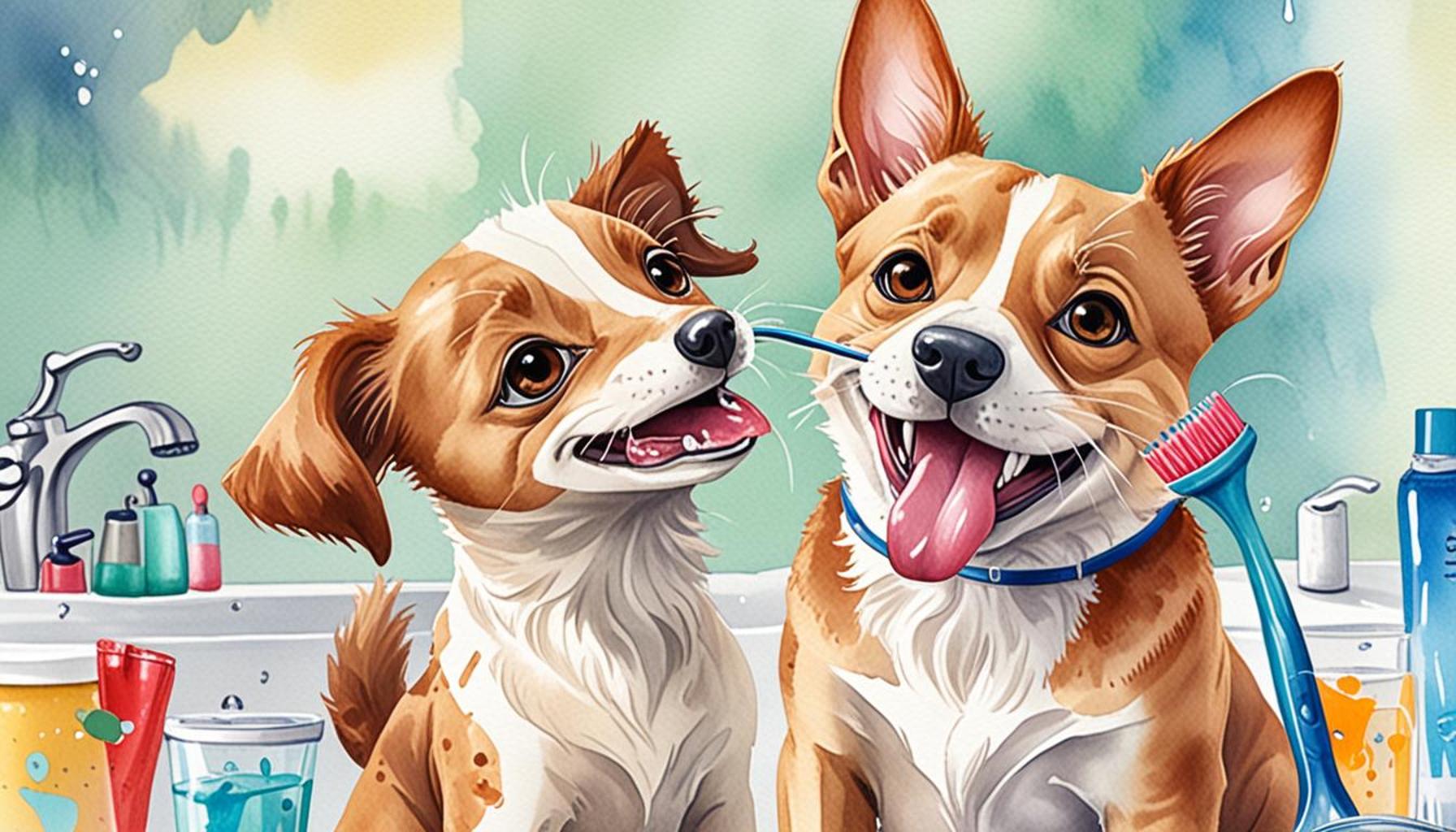
The Importance of Maintaining Your Pet’s Dental Health
Proper dental hygiene in pets is essential for ensuring their overall health and well-being. Pets, like humans, are susceptible to a range of dental issues that, if not addressed, can result in not only discomfort but also serious health complications. For pet owners, recognizing the need for vigilance in their furry friends’ oral health can be transformative, leading to longer, happier lives.
Consider these unsettling statistics that emphasize the urgency of dental care:
- Over 80% of dogs and 70% of cats are likely to develop some form of dental disease by the age of three.
- Untreated oral diseases can result in systemic health problems, influencing crucial organs such as the heart, liver, and kidneys.
- Engaging in routine dental care has been shown to markedly increase your pet’s lifespan and enhance their quality of life.
Understanding these statistics should prompt pet owners to ponder the common oral issues their pets might face, as well as the necessary preventive measures:
- Plaque and tartar buildup: This is the precursor to gum disease and can lead to painful tooth decay if not consistently managed. Regular brushing and dental treats can help mitigate this issue.
- Bad breath: While many people dismiss bad breath in pets as a trivial issue, it is often a significant indicator of underlying dental problems, such as periodontal disease. Regular vet check-ups can identify these problems before they escalate.
- Tooth loss: Ignoring serious dental issues often results in tooth loss, which can severely affect your pet’s ability to eat and could lead to further health complications.
Being proactive about your pet’s dental care involves a commitment to both professional and at-home dental hygiene practices. Scheduling regular check-ups with your veterinarian ensures that any potential problems can be identified early. At home, develop a daily routine that includes brushing your pet’s teeth, providing dental chews, and using water additives that promote oral health.
Understanding the significance of dental hygiene in pets not only protects their oral health but also enhances their overall quality of life. By dedicating time and resources to dental care, you play a vital role in helping your furry companions lead healthier, happier lives. In a world where pets hold such treasured places in our hearts, investing in their health is a gift that pays dividends in the joy they bring us every day.
DISCOVER MORE: Click here to learn why pet adoption matters
Understanding Common Dental Issues in Pets
The realm of dental hygiene in pets encompasses a variety of common oral issues that can be troubling for both pets and their owners. Primarily, many pet owners may not recognize how prevalent these issues are, allowing them to spiral into severe complications over time. Knowing what to look for and how to take preventive action is crucial in safeguarding your pet’s health.
One of the most common dental concerns in pets is plaque and tartar buildup. This sticky film of bacteria forms continuously in the mouth, and if not removed, it hardens into tartar, leading to gum disease. Many pet owners may find that their furry companions develop this issue as early as three years old, but it can be mitigated with routine dental care. Regular tooth brushing and incorporating dental treats designed to reduce plaque can significantly lower the chances of plaque buildup.
Another critical issue is periodontal disease, which stems from untreated plaque and tartar. As the gum tissue becomes inflamed, pets may experience discomfort, leading to signs such as difficulty eating, pawing at the mouth, or excessive drooling. Periodontal disease can be diagnosed during routine vet visits, where a thorough dental examination can help identify the progression of the disease before it dramatically impacts your pet’s overall health.
Additionally, bad breath is often dismissed as just a nuisance, yet it can act as a red flag for more serious conditions, such as periodontal disease or tooth decay. Pet owners should be aware that if their pet’s breath is persistently foul, it may signify an underlying dental issue that requires immediate attention. Regular veterinary check-ups are essential in identifying and addressing these concerns early on.
Untreated dental issues can lead to tooth loss, a painful consequence that negatively impacts a pet’s ability to eat properly. Tooth loss can also exacerbate other health complications, leading to nutritional deficiencies and a diminished quality of life. Therefore, preventive measures must be a priority for pet owners.
- Establish a Routine: Set aside time each week to brush your pet’s teeth, aiming for daily care when possible. This habit not only promotes healthy teeth and gums but also acclimatizes your pet to dental care routines.
- Choose Dental-Friendly Products: Invest in dental chews and toys designed to promote oral health. These products can aid in reducing plaque and tartar while providing entertainment for your pet.
- Regular Vet Visits: Schedule annual or biannual veterinary dental check-ups. Your vet can perform professional cleanings and check for any early signs of dental problems.
Being proactive about your pet’s dental hygiene sets the stage for a lifetime of good oral health. Committing to simple care practices can prevent many oral issues while enhancing your pet’s overall well-being. Remember, a happy pet often reflects a healthy mouth! Investing time in their dental health is an investment in their happiness.
The Importance of Dental Hygiene in Pets: How to Prevent Oral Issues
Maintaining optimal dental hygiene in pets is crucial not just for their oral health, but also for their overall well-being. Untreated dental issues such as plaque buildup can lead to serious health problems, including heart disease and kidney failure. Understanding the signs of dental disease can help pet owners take timely action to ensure their furry companions remain healthy.
Regular dental check-ups are essential. They allow veterinary professionals to catch potential problems before they escalate. Many pet owners overlook the fact that bad breath is often a sign of dental disease. By scheduling routine examinations, owners can prevent serious conditions that may require more aggressive treatments later.
| Category | Description |
|---|---|
| Preventive Care | Regular dental cleanings are vital in preventing tartar buildup. |
| Home Care | Brushing your pet’s teeth and providing dental chews can help maintain proper oral hygiene. |
In the home environment, pet owners can take proactive steps to prevent oral issues. Using specially designed dental products, such as toothpaste formulated for pets and toothbrushes with softer bristles, can make the process easier. Incorporating dental treats into their diet can also be beneficial, as these treats are specifically manufactured to reduce plaque and tartar while providing a tasty reward.
Another aspect worth considering is the role of diet in maintaining oral health. A balanced diet not only supports overall health but also contributes to strong teeth and gums. Consult with a veterinarian to choose the best food that emphasizes dental wellness.
In conclusion, prioritizing dental hygiene in pets can lead to a happier and healthier life for them. Engaging in preventive care, monitoring dental health, and being mindful of their diet can significantly reduce the risk of oral issues. By leveraging the right tools and approaches, pet owners can ensure their companions enjoy a lifetime of good health.
LEARN MORE: Click here to discover how to enhance your senior pet’s life
Effective Strategies for Maintaining Your Pet’s Dental Health
Maintaining optimal dental hygiene in pets requires a multifaceted approach that combines routine care, nutritional considerations, and awareness of the pet’s specific needs. By adopting effective strategies, pet owners can significantly reduce the likelihood of dental issues and thereby enhance their pets’ quality of life.
Diet plays a crucial role in dental health, and pet owners should be discerning about the food they choose for their furry companions. Dry kibble, for instance, can help mechanically clean teeth as pets chew, reducing plaque and tartar buildup. However, it is critical to ensure the kibble is specially formulated for dental care. Additionally, providing chewable dental treats specifically designed to promote oral hygiene can be beneficial. Products that carry the Veterinary Oral Health Council (VOHC) seal of approval have undergone rigorous testing and can be a trustworthy choice for enhancing your pet’s dental regimen.
In addition to diet, regular at-home dental care is essential. Many pet owners may feel overwhelmed by the thought of brushing their pets’ teeth, but incorporating this practice into daily routines can yield significant benefits. To start, use toothpaste specifically designed for pets, as human toothpaste can be harmful to their health. Begin training your pet to accept tooth brushing slowly—let them taste the toothpaste, then gradually introduce the toothbrush. Over time, your pet will become accustomed to the process, making it easier for you to maintain their dental hygiene.
- Use Dental Rinses and Gels: Incorporating dental rinses or gels into your pet care routine can provide additional protection against plaque and bacteria. These products can be applied directly to your pet’s teeth and gums for an extra layer of cleaning.
- Explore Professional Options: For pets reluctant to undergo at-home cleaning, consider options such as professional dental cleanings offered by veterinarians. These procedures provide thorough cleaning under anesthesia and can help identify and treat issues that may be difficult to spot during routine check-ups.
- Monitor Their Mouth: Regularly check your pet’s mouth for any signs of dental issues, such as swelling, redness, or unusual growths. Early detection of problems can prevent serious complications from developing and help maintain your pet’s overall health.
Moreover, age can also be a significant factor in your pet’s dental health. Just like humans, pets may experience different dental issues as they age, including wear on their teeth and increased susceptibility to disease. Older pets may require more frequent dental check-ups to address these concerns proactively. Regular discussions with your veterinarian can help tailor a dental care plan suited to your pet’s specific age and health condition.
Being informed about your pet’s dental care fosters a preventative mindset, which can be beneficial in reducing the incidence of oral disease. Owner education regarding the importance of dental hygiene in pets not only improves their pets’ well-being but also builds a bond through shared care routines. A little effort can go a long way—both in preventing dental issues and ensuring your pet lives a healthy, happy life.
DISCOVER: Click here to learn more about effective cat training techniques
Conclusion: Prioritizing Your Pet’s Dental Health
In summary, the significance of dental hygiene in pets cannot be overstated. As responsible pet owners, understanding the role that oral care plays in overall health is paramount. The direct link between proper dental hygiene and the prevention of serious health issues is compelling. From the earliest stages of your pet’s life, integrating a consistent dental care regimen that includes a balanced diet, at-home brushing, and professional veterinary check-ups is essential.
By prioritizing your pet’s dental health, you can help them avoid painful diseases such as periodontal disease, which can manifest in bad breath and tooth loss but also lead to more severe health complications affecting vital organs such as the heart and kidneys. Regular oral maintenance, including the use of veterinarian-approved dental treats and products, enables you to take proactive measures that will greatly benefit their longevity and quality of life.
Moreover, fostering a culture of wellness that includes dental awareness can deepen the bond between you and your pet. As you embrace the essential role of dental hygiene in your pet’s care, you contribute not only to their well-being but also to a happier, thriving companion. Take the initiative to educate yourself thoroughly about pet dental care and advocate for your furry friend’s health. Remember, a healthy mouth is a gateway to a joyful life—your pet deserves nothing less!