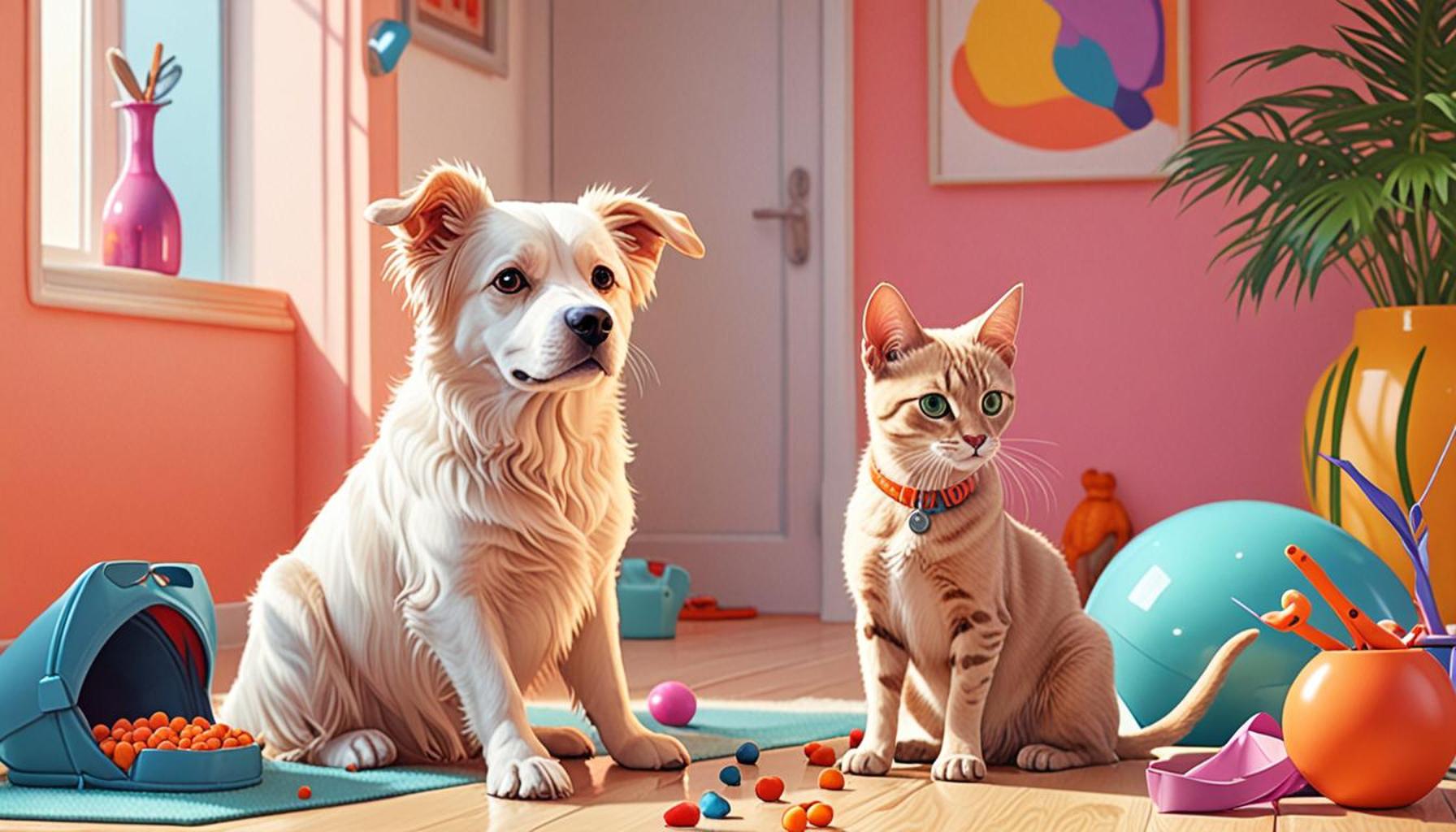
The importance of socialization in puppy training

The Importance of Early Socialization for Your Puppy
Socialization is an essential element in the journey of puppy training and has lasting implications on a dog’s behavior throughout its life. The experiences and interactions a puppy has during its formative weeks profoundly shape its personality, helping to foster a sense of confidence while minimizing anxiety in diverse situations. Understanding the profound significance of socialization can empower pet owners to pave the way for their furry companions to develop into well-rounded, adaptable, and happy adult dogs.
Here are some key reasons why socialization is essential:
- Behavioral Development: Proper socialization equips puppies with the necessary skills to learn acceptable behaviors. This includes how to interact positively with both humans and other animals. For instance, exposing a puppy to varying dog sizes and temperaments teaches them how to navigate different social dynamics, preventing future issues such as shyness or undue excitement around unfamiliar faces.
- Exposure to New Environments: Introducing your pup to a variety of settings—like parks, busy streets, and shopping areas—can prevent fearful reactions later in life. Imagine taking your dog to a bustling farmers’ market; a well-socialized puppy would remain calm amidst the noise and activity, while an under-socialized dog might act out or retreat in fear.
- Reducing Aggression: Early and positive socialization experiences can dramatically decrease tendencies towards fear-based aggression. Puppies that are exposed to new people and experiences are less likely to view the unknown as a threat, resulting in a more approachable and friendly demeanor. This can lead to safer interactions and happier outings—whether at dog parks or nowhere near home.
Research underscores this point: puppies that have access to a variety of social experiences before 16 weeks of age are significantly less likely to exhibit behavioral issues as they mature. This isn’t merely a trendy observation; it’s a crucial aspect of fostering healthy relationships that ensure safe interactions in community settings.
In the upcoming sections, we will explore effective methods of socialization, such as puppy classes or playgroups, the types of experiences that are beneficial for your puppy, and the long-term advantages that come from raising a well-socialized dog. Prepare to dive deeper into the world of canine training and socialization, and unlock insights that will greatly enhance both your puppy’s training process and your shared life ahead!
LEARN MORE: Click here to discover positive reinforcement techniques
Builder of Confidence and Resilience
One of the most significant roles that socialization plays in a puppy’s life is the development of confidence and resilience. When puppies are introduced to diverse social situations early on, they learn to navigate and adapt to their surroundings without fear. This exposure during their critical developmental period, typically before they reach 16 weeks of age, is essential in forming a secure and self-assured canine companion.
By connecting with different people, dogs, and environments, puppies assimilate valuable lessons that contribute to their emotional stability. Such experiences enable them to calmly assess new situations rather than react with fear or aggression. For example, a puppy that regularly meets a variety of humans—including children, seniors, and individuals wearing hats—will be less likely to become anxious as an adult when encountering unfamiliar faces or attire.
Additionally, socializing your puppy teaches them to understand body language and social cues, a crucial aspect of canine communication. Puppies learn to interpret the gestures and expressions of both humans and other animals, fostering better interactions and reducing misunderstandings. The more varied interactions they experience, the more adept they become at reading signals, which can prevent many behavioral issues that arise from miscommunication. Common scenarios that can foster this understanding include:
- Playdates with other dogs: Puppies that engage with various breeds and sizes will learn to respect different play styles and cues, promoting positive interactions.
- Group walks or outings: Experiencing different environments together helps puppies adjust to changing stimuli, such as traffic sounds or crowds, while building trust with their owner.
- Visits to dog parks: In a controlled environment, puppies can learn how to identify friendly dogs and appropriately engage in play while also recognizing boundaries.
Furthermore, socialization goes beyond mere exposure; it provides opportunities for positive reinforcement. Each new interaction that results in a favorable outcome builds your puppy’s confidence, developing a spirit of adventure that encourages exploration in later life stages. It’s important to remember that the experiences should be positive and rewarding to foster a healthy perspective on social dynamics.
Alongside the myriad of emotional benefits, socialization significantly impacts your puppy’s ability to adapt to different life events, from family gatherings to vet visits. A well-socialized puppy is more likely to remain calm amid chaos, reducing the stress level for both the pet and the owner. As a result, socialization is not only a tool for training but also a vital contributor to a balanced, content, and socially adept dog.
As we progress through this exploration of puppy training socialization, we will unravel effective strategies to ensure your pup receives adequate exposure and the long-term positive outcomes that stem from being a well-socialized dog. Engaging in these practices means that you are significantly investing in your pet’s future happiness and well-being.
| Category | Details |
|---|---|
| Social Exposure | Puppies gain confidence when introduced to a variety of environments and people, reducing fear and anxiety in new situations. |
| Positive Behavior | Consistent social interactions encourage good behavior, making it easier for puppies to become well-adjusted adult dogs. |
The process of socializing your puppy is crucial for their development, as it lays the groundwork for a harmonious relationship with both humans and other animals. When puppies are exposed early on to various scenarios—such as meeting different people, visiting bustling parks, or encountering other dogs—they learn how to navigate these experiences. This exposure is essential, as it helps combat potential fears or anxious behaviors later in life, which could evolve into serious behavioral issues if left unaddressed.Moreover, proper socialization fosters positive behavior. Puppies that engage regularly with their surroundings exhibit a more balanced demeanor and are less likely to exhibit aggressive or overly fearful responses. This proactive approach to training not only shapes their personality but also strengthens their bond with their owners. Owners should prioritize socialization by enrolling their puppies in training classes, and introducing them to friendly, vaccinated dogs, which can greatly enhance their social skills. The importance of socialization in puppy training cannot be understated, as it harbors lasting effects on their well-being and interaction as adult dogs.
DISCOVER MORE: Click here for delicious homemade pet food recipes
Preventing Behavioral Issues
Another critical aspect of socialization in puppy training is its role in preventing potential behavioral issues that may arise due to fear, anxiety, or lack of social skills. Puppies that are not adequately socialized often develop problems such as aggression, excessive barking, or destructive behavior as they grow. These issues can stem from the uncertainty and fear experienced in their interactions with unfamiliar stimuli, leading them to react defensively rather than confidently.
Effective socialization equips puppies with tools to manage their responses to novel situations. For instance, a puppy that is exposed to various surfaces—like grass, concrete, and metal—can become comfortable and confident when out on walks, minimizing the chance of them being fearful when encountering new terrains later on. These early experiences lay the foundation for a well-adjusted, non-anxious adult dog.
Particularly with breeds that are prone to anxiety, such as the Cocker Spaniel or Shiba Inu, early socialization is indispensable. Studies have shown that dogs with a solid foundation in socialization exhibit fewer signs of anxiety and fear-related behaviors compared to those who lack such exposure. Engaging in controlled settings, like puppy kindergarten classes or supervised gatherings, allows owners to guide their puppies through potentially overwhelming encounters with proper social cues and positive reinforcement.
Moreover, socialization is enormously beneficial in establishing appropriate behavioral boundaries. Puppies that regularly interact with other dogs learn vital lessons on play behavior—recognizing when enough is enough and understanding the signals of discomfort from other animals. This understanding helps reduce the chance of future conflicts or aggressive encounters with other dogs in parks or crowded spaces.
- Structured Playgroups: Regularly participating in supervised playgroups allows dogs to learn about competition, sharing space, and navigating the social hierarchy in a safe environment.
- Handling Exercises: Socialization with people includes allowing puppies to experience different types of handling, from grooming to visits to the veterinarian, ensuring they remain calm and relaxed regardless of the situation.
- Environmental Exposure: Taking puppies on trips to pet-friendly stores, outdoor cafés, or busy parks helps facilitate acclimatization to diverse sounds, smells, and sights, further enriching their adaptability.
The potential long-term benefits of a well-socialized dog cannot be overstated. A dog that has encountered a wide range of experiences during their formative months is more likely to be well-behaved, relaxed in public situations, and a joy to have as a companion at home. This proactive approach not only results in fewer challenges for the owner but also creates a harmonious living environment for both the dog and the family.
In each of these instances, thorough socialization acts as a buffer, preparing puppies to handle whatever curveballs life might throw their way. Armed with the understanding that appropriate training and exposure can empower their canine friends, dog owners can feel confident in their ability to raise well-adjusted pets. With comprehensive socialization efforts, the relationship between dogs and their humans flourishes, paving the path for a lifetime of companionship filled with joy and mutual understanding.
DIVE DEEPER: Click here to enhance your puppy training knowledge
Conclusion
In summary, the significance of socialization in puppy training cannot be overstated. Early socialization not only helps prevent behavioral issues but also fosters well-adjusted and confident adult dogs. As we’ve explored, effective socialization exposes puppies to diverse environments, other animals, and various people, all of which contribute to their growth and adaptability. The long-term advantages of a well-socialized dog are evident in their ability to handle new experiences with ease, reducing anxiety and promoting positive interactions both at home and in public.
Moreover, engaging in structured activities like playgroups and handling exercises further enhances a puppy’s social skill set. These experiences teach essential lessons about boundaries and appropriate behavior, allowing dogs to thrive in a myriad of situations. For puppy owners, immersing their companions in diverse social scenarios not only strengthens the human-animal bond but also aids in establishing a peaceful and harmonious household.
The journey of puppy training is a crucial investment in the future happiness and health of your dog. Thus, prioritizing socialization during the early stages will lead to a lifetime of benefits, including reduced behavioral problems and a positive disposition. Embracing the rich and varied experiences that come with socialization will ultimately shape your puppy into the beloved and well-behaved companion that makes every day richer and more fulfilling.