The Role of Hydration in Pet Nutrition: Tips for Keeping Your Pets Well-Hydrated
The Importance of Hydration for Pets
Ensuring that pets drink enough water is vital for their health and well-being. Pets rely on water not only to quench their thirst but also to facilitate a variety of physiological functions. Dehydration can result in severe consequences, including decreased energy, impaired kidney function, and potentially life-threatening conditions. In fact, just a 10% loss of body water can have detrimental effects on a pet’s health.
Why Hydration Matters
Water is often referred to as the “elixir of life” for its essential role in the maintenance of life and health. Here’s how hydration directly impacts your furry friends:
- Regulates body temperature: Adequate water intake helps pets regulate their body temperature, particularly during hot weather or after vigorous exercise. Pets, especially those with thick coats, are at a higher risk of overheating.
- Aids digestion: Water is crucial for breaking down food and absorbing nutrients effectively. Insufficient hydration can lead not only to constipation but also to a greater risk of digestive disorders, which can cause discomfort and malnutrition.
- Supports joint health: Joint lubrication is another critical function of water. Proper hydration assists in cushioning joints, which is especially crucial for older animals or those with existing joint issues. This hydration can significantly enhance mobility and overall quality of life.
In the United States, where pet ownership is prevalent, many pet owners may not fully recognize the importance of hydration. The average dog needs approximately one ounce of water per pound of body weight daily. This requirement can vary based on factors such as activity level, climate, and diet, making it essential for pet parents to stay vigilant about their pet’s water intake.
Signs of Dehydration
Understanding the signs of dehydration can be crucial in preventing health emergencies. Some warning indicators include:
- Dry gums: Healthy gums should appear moist and pink; dry or sticky gums can indicate dehydration.
- Decreased energy: A lethargic or unusually quiet pet might be a sign that your furry friend is not getting enough water. Just like humans, pets can experience fatigue when dehydrated.
- Skin elasticity: This is a common test for dehydration; when you gently pinch the skin on the back of your pet’s neck and it doesn’t spring back quickly, it may signal hydration deficiency.
Every pet owner should be equipped with practical strategies to keep their companions hydrated. This discussion will unfold effective hydration practices, including the importance of fresh water access, high-moisture foods, and the role of certain weather conditions in your pet’s hydration needs. Join us as we discover various methods to safeguard the hydration needs of your beloved pets, ensuring they lead healthy, happy lives.
DISCOVER MORE: Click here to learn about essential health guidelines for your pet’s nutrition
Practical Tips for Ensuring Your Pet Stays Hydrated
As a responsible pet owner, understanding how to keep your furry companions hydrated is crucial. Beyond just providing fresh water, certain practices can significantly enhance hydration, ultimately contributing to your pet’s health. Here are some effective strategies for ensuring your pets remain well-hydrated:
1. Provide Fresh and Clean Water
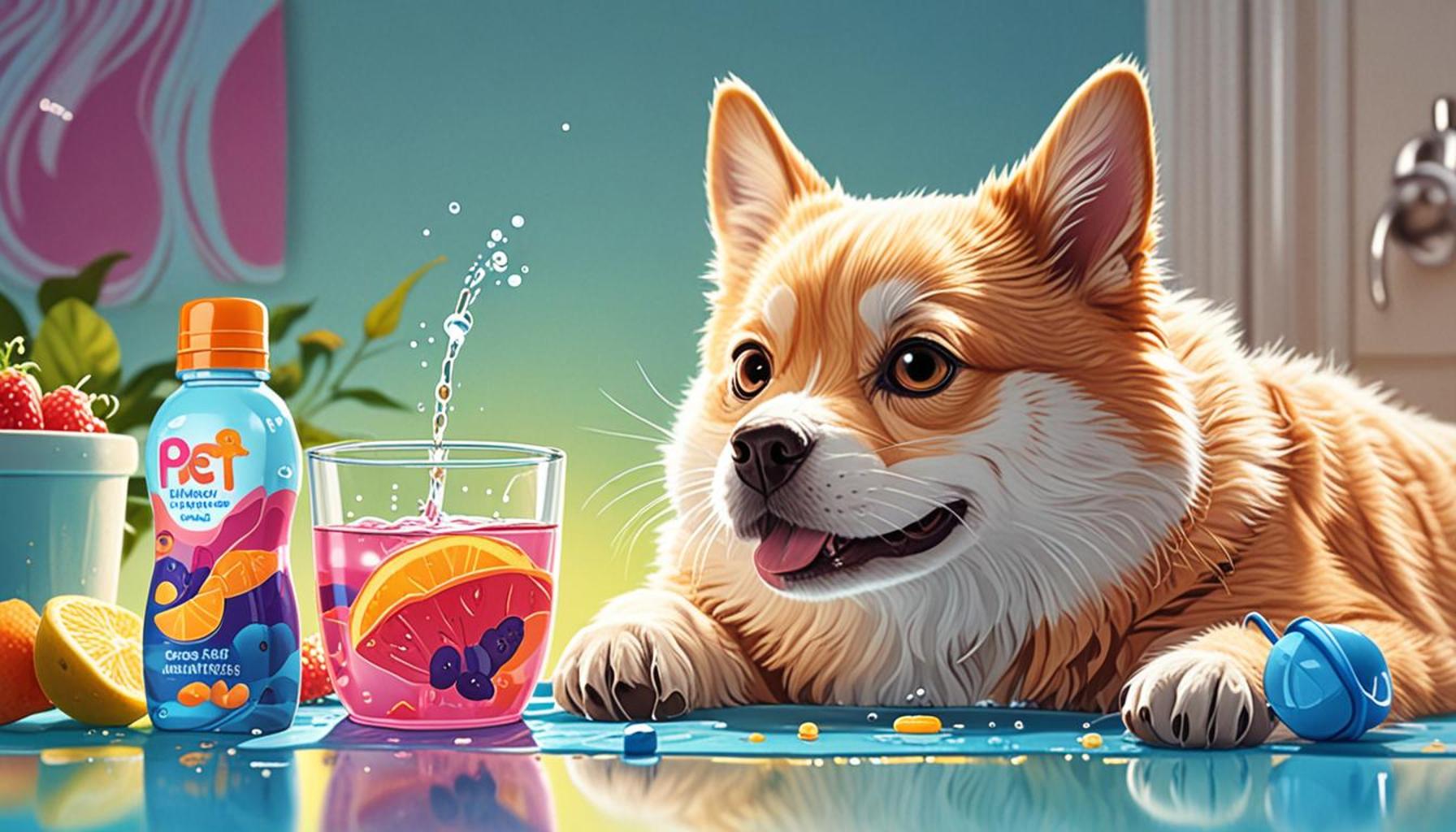
One of the simplest yet most impactful ways to keep your pet hydrated is by always offering fresh and clean water. Pets can be notoriously picky about water quality; thus, their drinking habits can be influenced by the cleanliness of their bowls. Regularly wash water bowls with soap and water and refill them with fresh water daily. Consider investing in a water fountain, as the flowing water can appeal to pets, encouraging them to drink more frequently. Research shows that pets tend to drink more from fountains due to the continuous circulation, preventing stagnation and helping to keep the water cooler.
2. Monitor Water Intake
Pet owners should actively monitor their pet’s water intake, adjusting their providing habits according to their specific needs. To determine if your pet is drinking enough, keep track of how much water they consume each day. As mentioned earlier, dogs typically require about one ounce of water per pound of body weight daily. Cats tend to drink less since the moisture content in their food may suffice. Always be aware of your pet’s activity level and environmental factors, as both can greatly affect hydration needs.
3. Incorporate High-Moisture Foods
Another effective way to boost hydration is by incorporating high-moisture foods into your pet’s diet. This can be especially beneficial for cats, which often are prone to urinary issues due to low water intake. Wet or canned food contains a significant amount of water, usually around 70-80%, which can help keep your pet hydrated. For dogs, mixing wet food with dry kibble can also encourage better hydration while providing balanced nutrition. Always ensure that dietary changes are gradual to avoid gastrointestinal upset.
4. Be Mindful of Weather Conditions
Weather plays a vital role in your pet’s hydration needs. During the summer months or in hotter climates, your pets may dehydrate faster, especially if they spend time in the sun or engage in vigorous activities. Hydration stations, or easily accessible water points, can be beneficial during outdoor adventures. It is wise to carry water bottles and collapsible bowls on walks, trips to the park, or hikes. Similarly, in colder weather, pets may not feel thirsty as often but still need adequate hydration. Ensuring they have access to water, regardless of the temperature, can prevent unnoticed dehydration.
Keeping your pets well-hydrated is an ongoing responsibility that requires vigilance and adaptability. By implementing these practices and regularly assessing your pet’s hydration habits, you can support their overall health and longevity, ensuring they live their best life by your side.
When it comes to managing your pet’s hydration effectively, understanding the importance of water intake is crucial. Water is vital for various physiological processes, including digestion, circulation, and temperature regulation. But beyond just providing a bowl of water, there are additional strategies to ensure your furry friends stay properly hydrated.
First, consider the type of food you are feeding your pet. Wet food generally contains higher moisture content compared to dry kibble, making it a great option for pets that may not drink enough water throughout the day. For those pets that prefer dry food, try adding a splash of water or low-sodium broth to enhance flavor and increase moisture consumption.
Moreover, observe the behavior and preferences of your pet. Some animals are more inclined to drink from running sources, such as pet water fountains, which encourage their natural instinct to find fresh water. Investing in a pet water fountain can stimulate your pet’s interest in drinking, helping to ensure they consume sufficient amounts of water daily.
Another vital aspect is monitoring your pet’s water intake closely. By keeping an eye on how much they drink, you can identify any changes in their hydration habits, which could indicate health issues. Additionally, if your pet is active, especially during hot weather or playtime, they need even more water to stay hydrated. Always offer water before, during, and after exercise to maintain hydration levels.
Incorporating fruits and vegetables that are hydrating, such as watermelon or cucumbers, into their diet can also provide a nutritious way to increase hydration. Just make sure these treats are safe for your specific pet before including them in their meals.
| Hydration Strategies | Benefits |
|---|---|
| Wet Food Diet | Higher moisture intake, better digestion. |
| Pet Water Fountain | Encourages more frequent drinking, fresher water. |
| Monitoring Intake | Identifies hydration levels and potential health issues. |
| Hydrating Treats | Nutritious, enhances hydration through food. |
Overall, establishing a comprehensive approach to your pet’s hydration not only promotes their health but also establishes a valuable connection between you and your pet, ensuring their well-being is prioritized long-term. The tips provided can serve as a foundation to explore more about the rich subject of pet hydration and nutrition, paving the way for healthier, happier pets.
DISCOVER MORE: Click here for tips on choosing the right pet
Understanding the Signs of Dehydration
As a diligent pet owner, recognizing the signs of dehydration in your pets is an essential skill that can safeguard their health. Dehydration can escalate quickly if not addressed, leading to serious health issues. Here are some important symptoms to watch for:
1. Check for Dryness
One of the most apparent signs of dehydration in pets is dryness of the gums and tongue. When your pet’s mouth feels dry or sticky, it may indicate they are not consuming enough fluids. Additionally, the skin elasticity can also be a key indicator: gently pinch the skin on the back of your pet’s neck or between their shoulder blades. A well-hydrated pet will have skin that quickly returns to its normal position, while dehydrated skin may take longer to bounce back, forming a tent shape.
2. Altered Urination Patterns
Another critical aspect to monitor is your pet’s urination habits. Reduced urination or notably darker urine may be a sign of dehydration. Normal urine in pets should be pale yellow. If you observe that your pet is urinating less frequently or that their urine is concentrated, it may be time to adjust their water intake or consult with your veterinarian.
3. Behavioral Changes
Please pay attention to any behavioral changes. Dehydration can manifest itself in lethargy, decreased energy, or unusual restlessness. If your pet seems disoriented or less interested in playtime, it could be a signal that they are not adequately hydrated. Additionally, a loss of appetite often accompanies dehydration, as pets may feel unwell and disinclined to eat.
4. Access to Water While Traveling
For pet owners who enjoy road trips or outdoor adventures, keeping your pets hydrated while traveling is of utmost importance. Plan ahead by bringing sufficient water and portable bowls for your furry friends to drink during stops. Aim to provide water every couple of hours to maintain hydration levels, even if your pets do not seem thirsty. The excitement of travel can sometimes distract them from their hydration needs.
5. Choose the Right Water Bowls
Consider the type of bowls you use for your pets, as the design can impact how much water they consume. Some pets may leave their water untouched if their bowl is too deep or difficult to access. Look for shallow and wide water bowls that allow your pets to drink comfortably. Some companies even manufacture non-slip designs specifically catered to pets that tend to be messy drinkers, thus encouraging them to hydrate without making a mess.
6. Hydration Alternatives
If your pet is particularly resistant to drinking plain water, try to tempt them with infused water or pet-safe broth (ensure it contains no harmful additives). You may also experiment with pet treats designed to provide additional moisture. Ice cubes made from low-sodium broth or freezes of pureed fruits and veggies can serve as hydrating treats that keep your pet cool while enticing them to hydrate.
Staying vigilant about hydration ensures that your pets maintain the energy and health needed for a fulfilling life. Understanding the signs of dehydration and implementing comprehensive hydration strategies will empower you to keep your pets comfortable and healthy.
DISCOVER MORE: Click here to enhance your pet’s well-being
Conclusion: Ensuring Optimal Hydration for Your Pet’s Well-Being
As we’ve explored, hydration plays a pivotal role in pet nutrition and overall health. Adequate water intake supports crucial bodily functions, aids in digestion, and helps regulate body temperature, all essential for your pet’s vitality. While recognizing the signs of dehydration is critical, proactive measures can dramatically reduce the risk of hydration-related health issues.
Implementing strategies such as offering fresh water consistently, choosing the right bowls, and being mindful of hydration levels during travel are just a few ways to ensure your pet remains well-hydrated. Additionally, introducing hydration alternatives like infused water or pet-friendly broth can make drinking more appealing for pets who may not be keen on plain water. By tailoring these practices to suit your pet’s specific needs, you contribute significantly to their quality of life.
Ultimately, the journey to maintaining optimal hydration is an ongoing commitment that reflects the love and care you have for your furry companions. Staying informed about hydration practices will empower you not only to recognize and respond to your pet’s hydration needs but also to become a more proactive guardian of their health. As you continue to learn and adapt, your pets will thrive, staying healthy, energetic, and ready for every adventure together.
Your pet’s hydration is not simply a matter of survival; it’s integral to their happiness and well-being. So fill that water bowl, stay alert to the signs, and embrace practical hydration tips to ensure your beloved pet leads a joyful and fulfilling life.