Understanding the Role of Supplements in Your Pet’s Diet
The Rising Trend of Pet Supplements
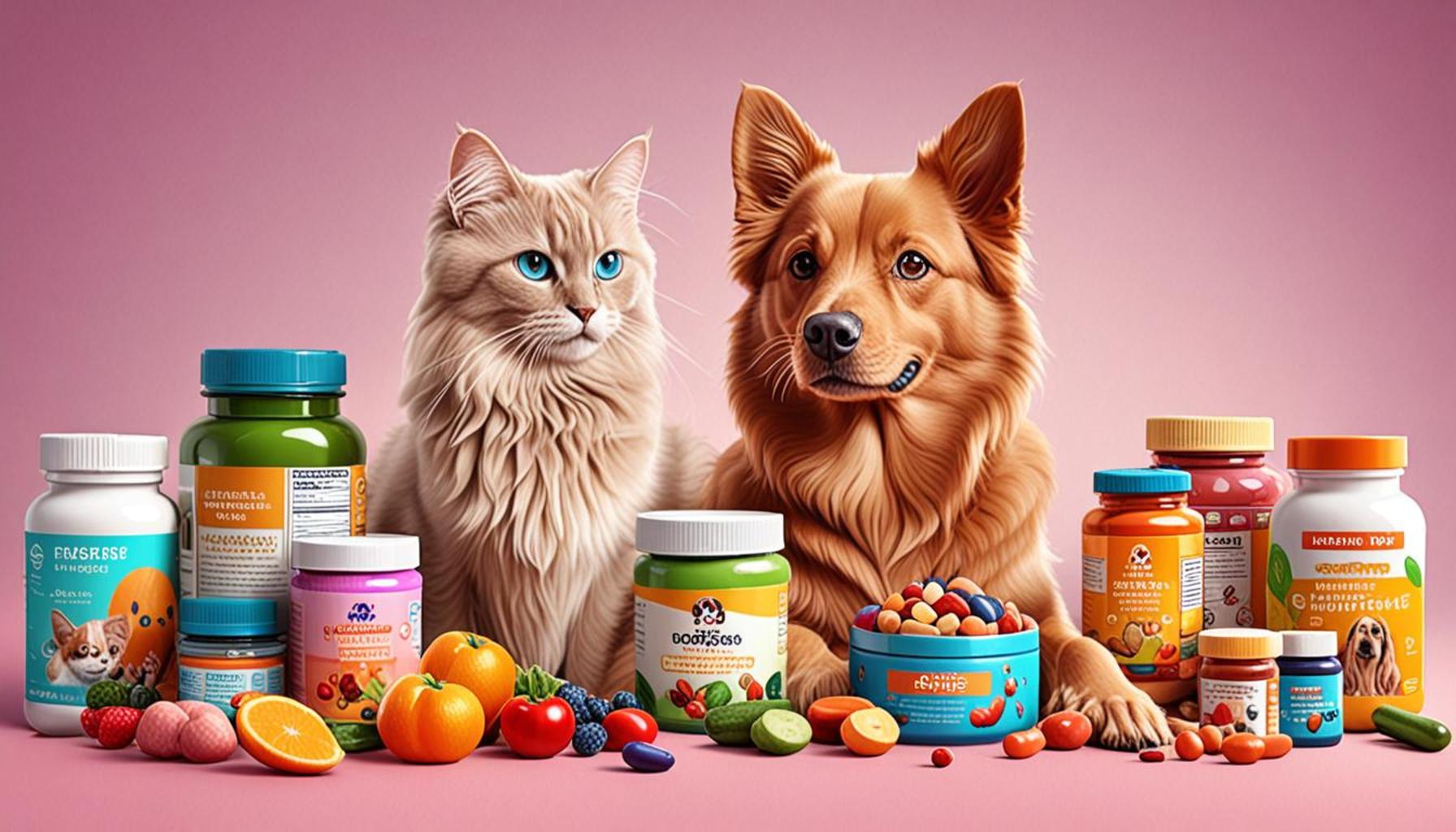
As pet ownership continues to soar in the United States, many dog and cat parents are increasingly turning to dietary supplements as a means to enhance their furry friends’ overall health and vitality. But what role do these supplements truly play in promoting well-being? With a myriad of options available on the market, it’s vital to navigate this landscape with care and informed insight.
Understanding the Benefits of Pet Supplements
The use of supplements has grown markedly, as pet owners and veterinarians alike recognize the potential benefits these additions can bring. Some of the most widely recognized categories of active ingredients in pet supplements include:
- Vitamins: Vital for various bodily functions, vitamins, such as A, D, and E, play critical roles in maintaining a robust immune system, promoting energy levels, and ensuring proper growth and development.
- Minerals: Minerals like calcium and phosphorus are essential for bone health and muscle function. Pets, especially those in their growth phase or older pets, may need specific mineral supplementation to support their health.
- Omega fatty acids: These are celebrated for their ability to promote a shiny coat and healthy skin, while also supporting joint health, which is particularly beneficial for older animals or breeds prone to joint issues.
- Probiotics: These beneficial bacteria play a crucial role in maintaining digestive health, helping to alleviate issues like diarrhea or constipation, and improving nutrient absorption.
- Herbal blends: Various herbal supplements, such as milk thistle or turmeric, have been used traditionally to address health concerns like liver function or inflammation, showcasing the value of natural remedies.
Choosing the Right Supplement
Despite the promising benefits, not all supplements are created equal. As a responsible pet parent, it’s important to consider a few key factors when selecting the right product for your companion:
- Age and breed of your pet: Different age groups and breeds may have varying nutritional needs. For instance, large-breed dogs may require additional joint support to prevent dysplasia.
- Specific health issues or dietary restrictions: If your pet has a diagnosed health condition, consulting with your veterinarian is crucial to avoid any contraindications or reactions with existing medications.
- Verified sources and quality of ingredients: Top-tier supplements should be backed by research and made from high-quality, bioavailable ingredients. Look for brands with transparency regarding sourcing and third-party testing.
Conclusion
Incorporating supplements can indeed be advantageous for many pets, particularly those facing certain health challenges or those in their senior years. However, understanding their role in your pet’s diet remains essential. Through careful consideration and informed choices, pet owners can significantly optimize their furry companions’ health and well-being. As you explore this dynamic and evolving field, remember to consult with your veterinarian, ensuring that your decisions are grounded in expert advice tailored to your pet’s unique needs.
DISCOVER MORE: Click here for essential socialization tips
Decoding the Science Behind Pet Supplements
Understanding the role of supplements in your pet’s diet requires a closer look at how these additives can complement traditional pet food. The pet food industry is vast and varied, with numerous formulations designed to meet general nutritional guidelines. However, just like humans, pets may have unique dietary requirements influenced by their age, breed, size, activity level, and health conditions. This is where supplements come into play, stepping in to bridge the nutritional gaps that may exist in standard pet diets.
Identifying Nutritional Gaps
Many veterinarians advocate for a tailored approach to pet nutrition, emphasizing the importance of addressing nutritional deficiencies. While high-quality commercial pet foods provide a good foundation, they are not universally suitable for every animal. Notably, some pets might have specific dietary restrictions or conditions that necessitate additional support. Identifying these nutritional gaps requires careful observation and often professional guidance.
- Age-specific needs: Puppies and kittens have different nutritional requirements compared to adult or senior pets. For instance, growing pets may require higher levels of certain vitamins and minerals to support their development.
- Active lifestyle: Active and working animals may need supplements that enhance energy production, muscle recovery, and joint health, particularly if they are engaged in strenuous activities.
- Health conditions: Issues like allergies, arthritis, or gastrointestinal problems may benefit from targeted supplements such as omega-3 fatty acids or probiotics, which can support inflammation and gut health.
The Crucial Role of Veterinary Advice
Before embarking on the supplement journey, consulting a veterinarian is essential. Pet owners should recognize that while many supplements claim to offer specific benefits, they must be approached with caution. A veterinary assessment can help determine the necessity and appropriateness of a supplement based on your pet’s unique health profile.
Moreover, a veterinarian can help decide the dosage and duration of supplementation. An inadequately administered supplement, even one with positive attributes, can lead to adverse effects or toxicities. This is particularly pertinent in pets with underlying health issues or those taking multiple medications.
Quality Matters in Supplement Selection
With the growing interest in pet supplements, it’s crucial to understand that not all products are created equal. The supplement market is rife with choices, ranging from premium quality to poorly absorbed products lacking efficacy. Pet owners should focus on finding supplements from reputable brands that prioritize safety and transparency in their formulations. Look for products that are:
- Backed by research: Evidence supporting the efficacy of ingredients should be readily available from credible sources.
- Third-party tested: Independent testing can affirm the quality and safety of the product, providing peace of mind to pet owners.
- Clear in ingredient sourcing: High-quality supplements should list the exact ingredients, allowing pet owners to make informed choices regarding their pet’s health.
Understanding the crucial role of supplements in your pet’s diet is an evolving process, one that requires commitment and research. The potential benefits they offer can undoubtedly enhance your pet’s quality of life, but a thoughtful approach is essential. Armed with knowledge and professional guidance, pet parents can ensure their furry companions lead happy, healthy lives.
| Category 1 | Category 2 |
|---|---|
| Vitamins and Minerals | Essential for maintaining overall health and preventing deficiencies. |
| Omega Fatty Acids | Supports skin health and reduces inflammation. |
Enhancing your pet’s diet with the right supplements can significantly influence their health and well-being. One of the pillars of a balanced diet is the inclusion of vitamins and minerals. These nutrients play a vital role in various bodily functions, from supporting the immune system to promoting healthy growth. Many commercially available pet foods may not provide all the essential elements your pet needs, thus making supplements a valuable addition.Moreover, omega fatty acids are increasingly recognized for their health benefits, particularly in improving coat condition and reducing inflammation. They can be especially beneficial for pets suffering from allergies or skin conditions. Incorporating these supplements may offer remarkable improvements, making them an essential focus for pet owners looking to enhance their pets’ dietary regimen.By understanding and utilizing such supplements, you empower your furry friends to lead healthier, happier lives, ultimately enriching the bond you share. Exploring the world of pet nutrition can reveal a myriad of options that enhance your pet’s health journey.
LEARN MORE: Click here for essential tips on vet check-ups
Navigating the Types of Pet Supplements
As the interest in pet nutrition surges, the variety of available supplements continues to expand. To effectively address your pet’s specific needs, it’s vital to grasp the different categories and their intended purposes. Each type of supplement serves a unique role in enhancing overall health and well-being, providing a tailored approach for your beloved companion.
Vitamins and Minerals
The backbone of any dietary supplementation starts with vitamins and minerals. These essential nutrients play critical roles in metabolic processes and overall health. For example, Vitamin E acts as an antioxidant, protecting cells from oxidative stress, while Calcium and Phosphorus are fundamental for bone health. Certain breeds may also benefit from specific mineral supplementation; for instance, larger dog breeds are often prone to hip dysplasia and might require additional support for joint health through minerals like glucosamine and chondroitin.
Fatty Acids for Skin and Coat Health
Issues related to skin and coat health are commonplace among pets, often leading owners to seek supplements rich in omega-3 and omega-6 fatty acids. Found in fish oil, flaxseed oil, and certain algae, these fatty acids can contribute to a shiny coat, reduced shedding, and overall skin health. Not only do they alleviate dry, flaky skin, but they also provide anti-inflammatory benefits that can relieve symptoms of allergies and arthritis. Recent studies suggest that omega fatty acids can even enhance cognitive function, making them beneficial for both aging pets and young, developing animals.
Probiotics for Digestive Health
As the science of gut health gains more recognition, the use of probiotics in pet diets has become increasingly popular. These live beneficial bacteria help maintain a balanced gut microbiome, which can positively influence digestion and immune function. Conditions like diarrhea, constipation, and even chronic gastrointestinal issues in pets can find relief through the inclusion of probiotics. Products that contain specific strains of probiotics, like Lactobacillus or Bifidobacterium, can make a substantial difference in pets facing digestive challenges. Veterinary endorsement is crucial in selecting suitable probiotic strains, as the specific needs of each pet can vary greatly.
Herbal and Natural Supplements
Herbal supplements are another avenue pet owners may explore, often used as natural remedies for various conditions. Turmeric, known for its anti-inflammatory properties, can be beneficial for pets suffering from joint pain or arthritis. Similarly, milk thistle is often recommended to support liver function, particularly in pets on long-term medications. However, it’s vital to approach herbal supplements with care. Just like pharmaceutical drugs, herbs can interact with other medications, making veterinary consultation essential before introducing them into your pet’s regimen.
As you delve deeper into understanding the role of supplements in your pet’s diet, remember that education and awareness are key. Each supplement category presents distinct benefits that can enhance your pet’s health, but pairing these choices with professional advice ensures that you’re taking the most effective pathway toward nurturing a healthier, happier pet.
DISCOVER MORE: Click here to learn about the impact of pet adoption
Final Thoughts on Pet Supplements
In conclusion, understanding the role of supplements in your pet’s diet is crucial in ensuring their long-term health and happiness. As pet owners, we have the responsibility to provide our companions with the best care possible, and supplements can be a valuable addition to their nutrition. However, it’s imperative to approach supplementation with a well-informed mindset. Careful consideration of individual needs, coupled with veterinary guidance, helps you choose the right products that align with your pet’s specific requirements.
Whether you’re opting for vitamins and minerals to boost nutrient intake, fatty acids for superior skin and coat health, probiotics for digestive wellness, or herbal remedies for natural support, each supplement type offers unique advantages. But, not all pets are the same—what works wonders for one may not suit another. Therefore, continuous education and consultation with your veterinarian are vital in navigating the ever-evolving landscape of pet nutrition.
As you embark on this journey of betterment for your beloved pet, stay curious and stay informed. Beyond the aisles of your local pet store lies a wealth of resources and knowledge waiting to be discovered. In doing so, you’ll not only be customizing a diet that promotes vitality and wellness but also enhancing the bond you share with your furry friend, ensuring they lead a vibrant and fulfilling life.